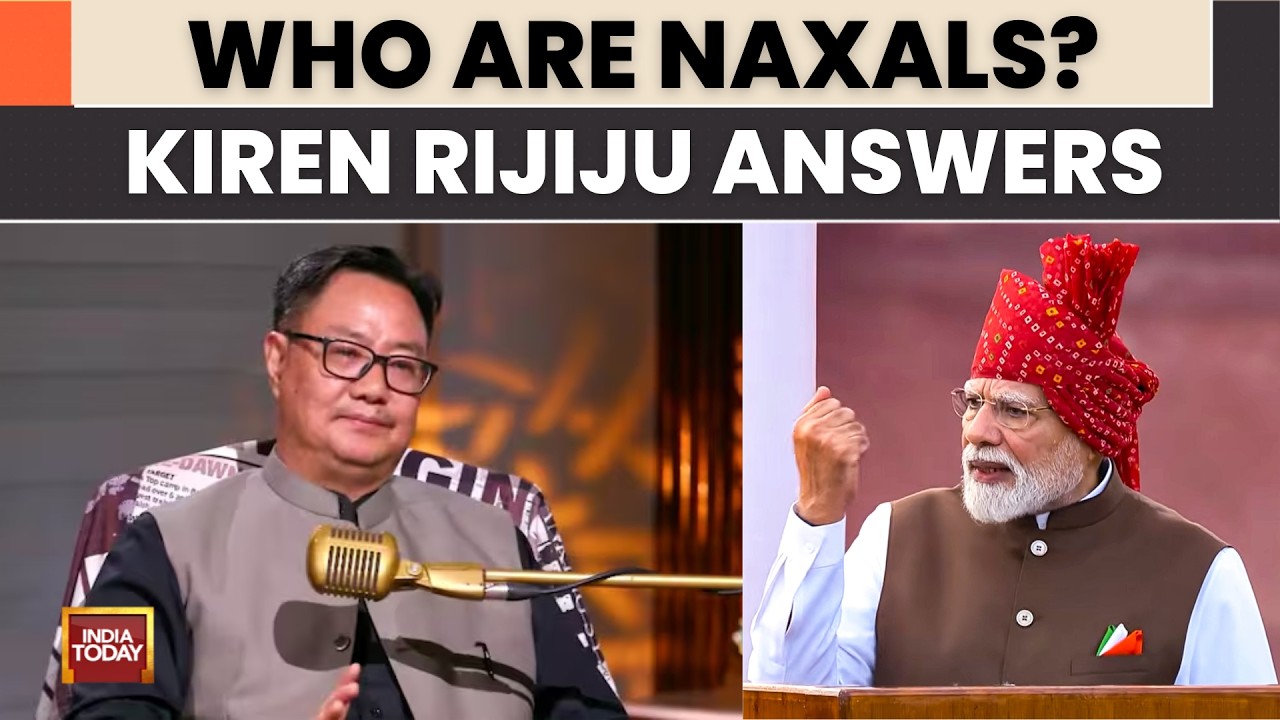
The Parliamentary Affairs Minister addressed the implementation timeline of the Nari Shakti Vandan Adhiniyam and the necessity of delimitation.
- Women's reservation is tied to the post-2026 census and delimitation process.
- Implementation cannot occur on the current 543-seat Lok Sabha strength.
- Informal outreach to the opposition continues despite political rivalry.
During a recent high-level discussion on parliamentary operations and legislative frameworks, the Parliamentary Affairs Minister provided critical clarity regarding the Nari Shakti Vandan Adhiniyam. The core of the discussion centered on why the long-awaited women's reservation cannot be implemented immediately under the current parliamentary structure.
The Minister explained that the implementation of the reservation is legally bound to the outcomes of a fresh census and the subsequent delimitation process. According to the provisions of the 2023 law, these steps are slated to take place after 2026. Consequently, the reservation cannot be applied to the existing Lok Sabha strength of 543 seats, as the seat distribution must first be reorganized based on updated demographic data.
Why This Matters
BozokMedia analysis shows that the timeline for women's reservation is a pivotal moment for Indian democracy. The intersection of demographic shifts, census accuracy, and the delimitation process creates a complex legal landscape that determines how political power will be distributed in the coming decade.
The synchronization of census data with legislative restructuring is the mandatory prerequisite for equitable political representation.
Beyond legislative mechanics, the Minister also touched upon the importance of opposition outreach. In an era of intense political polarization, the Minister emphasized that maintaining informal channels of communication with opposition leaders is vital for parliamentary coordination. He noted that discussions often range from political matters to personal fitness, suggesting that a level of professional camaraderie exists despite deep-seated political rivalries.
This dual focus on constitutional procedure and interpersonal political diplomacy highlights the intricate balance required to run a functioning democracy in a multi-party system.
Frequently Asked Questions
Question 1: Why can't women's reservation be implemented now?
Answer: It is legally contingent upon the census and delimitation process scheduled after 2026.
Question 2: What is the role of delimitation in this context?
Answer: Delimitation will redefine seat boundaries and numbers, providing the necessary framework for the reservation quota.

