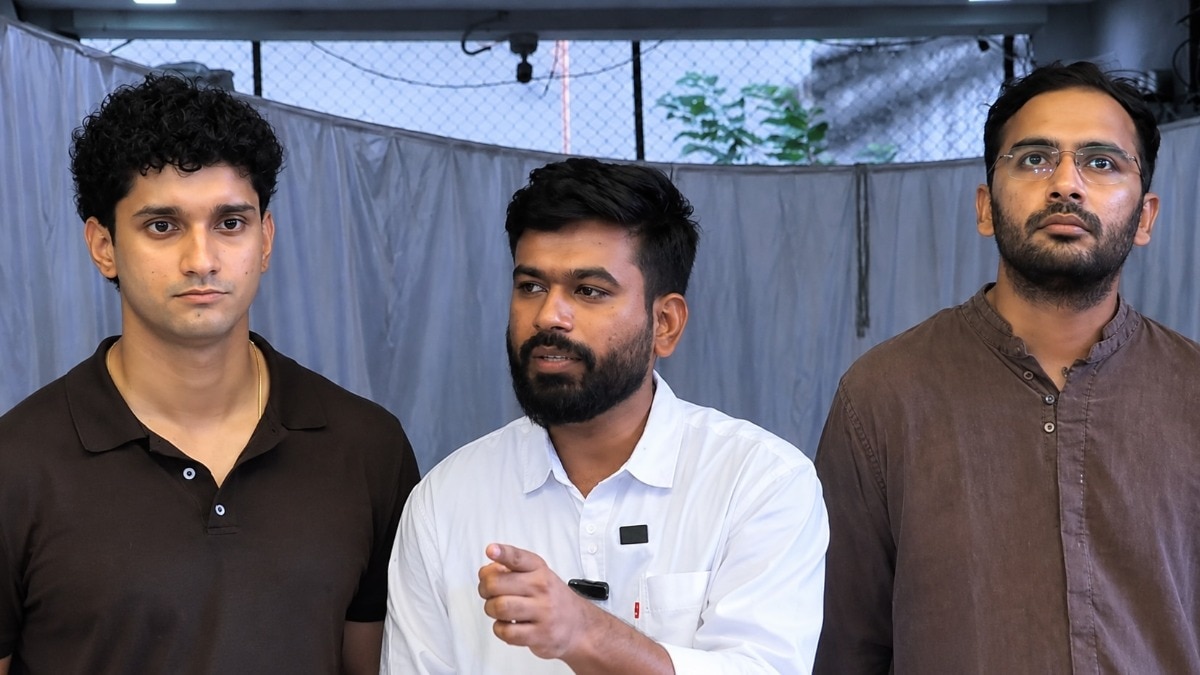
According to India Today's Mood of the Nation (MOTN) survey, the Cockroach Janta Party (CJP) faces a significant uphill battle in electoral politics, with 43% of respondents stating they would not vote for them.
- 43% of respondents said they would not vote for CJP if it contested elections.
- 33% indicated they would support the party, while 24% remained undecided.
- The majority (39%) support CJP's decision to remain a pressure group rather than a political party.
The Cockroach Janta Party (CJP), which rose to prominence following intense student protests at Delhi's Jantar Mantar over the NEET examination paper leak, may struggle to convert its activist momentum into electoral success. According to the latest Mood of the Nation (MOTN) survey by India Today, there is a significant gap between public sympathy for their causes and actual voting intent.
The survey findings provide a stark reality check for the group. When asked if they would vote for the CJP in an election, 43% of respondents responded in the negative. In contrast, only 33% expressed a willingness to vote for the party, while 24% of the participants were unsure. This suggests that while the CJP has successfully captured the public's attention through social activism, its transition into a formal political entity remains unproven.
Why This Matters
BozokMedia analysis shows that the distinction between 'activist movements' and 'political parties' is crucial in the Indian democratic landscape. While protest-led groups can exert significant pressure on the government, the leap to winning seats requires a level of institutionalization and broader policy appeal that the CJP has yet to demonstrate.
Translating street-level activism into ballot-box success requires more than just a single-issue focus; it requires a comprehensive political vision.
Interestingly, the CJP has strategically chosen to operate as a pressure group rather than contesting formal elections. This decision appears to have resonated with the public. The survey indicates that 39% of respondents welcomed this decision to remain a pressure group, whereas only 26% believed the party should have entered electoral politics directly.
Historical Background
The CJP emerged as a significant voice during the recent wave of student unrest in India, specifically targeting systemic failures in national examinations. By leveraging the digital age and physical protests, they managed to bypass traditional political structures to demand accountability, marking a new era of localized, issue-based mobilization.
Frequently Asked Questions
1. What is the current status of the CJP?
The CJP has decided to function as a pressure group rather than a formal political party contesting elections.
2. What triggered the rise of CJP?
The group gained significant visibility through student-led protests regarding the NEET exam paper leak.


