The Pune Union of Working Journalists (PUWJ) has formally protested the inclusion of an ABP Majha journalist's name in an FIR filed by COEP authorities. The union described the move as a direct assault on press freedom following clashes between political groups in Pune.
- PUWJ delegation met Police Commissioner Amitesh Kumar to demand the removal of a journalist's name from the FIR.
- The FIR was filed by COEP authorities following clashes between NSUI/Congress and ABVP workers.
- The journalist involved claims he was on campus solely for reporting purposes.
- The union argues that involving media personnel in such cases undermines democratic press freedom.
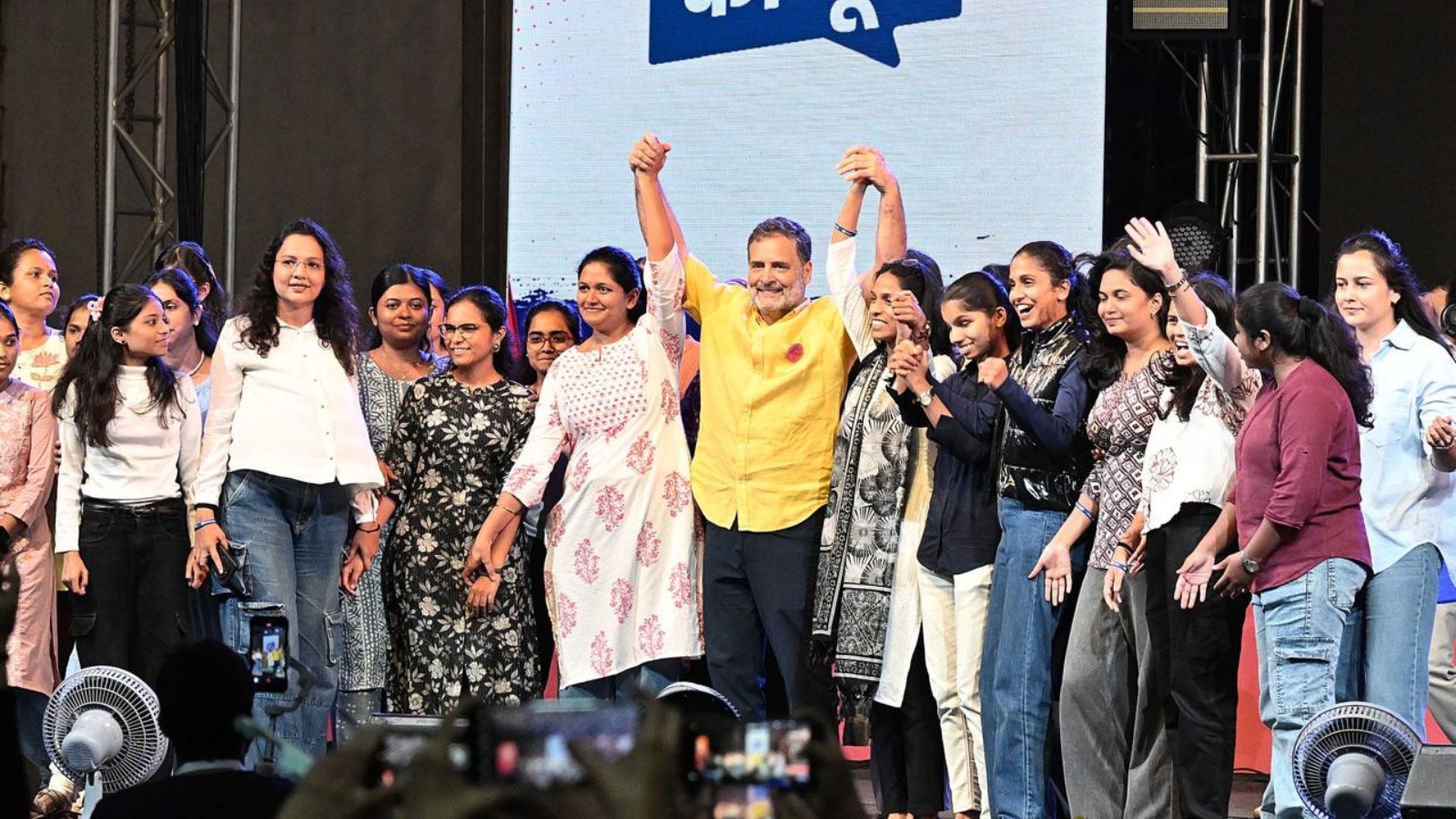
The Pune Union of Working Journalists (PUWJ) has issued a strong condemnation against the inclusion of an ABP Majha journalist in an FIR registered by the College of Engineering Pune (COEP). The legal action follows a series of clashes between members of the National Students Union of India (NSUI) and the Akhil Bharatiya Vidyarthi Parishad (ABVP) prior to Rahul Gandhi's scheduled event in the city.
A high-level delegation, led by PUWJ President Umesh Shelke, met with Pune Police Commissioner Amitesh Kumar to seek immediate redressal. The union demanded that the journalist's name be struck from the FIR, asserting that the reporter was performing legitimate journalistic duties and was not involved in any unlawful activity.
Background of the Conflict
The unrest traces back to August 21, when a student's video surfaced, alleging fee irregularities at COEP. This triggered a confrontation between political factions on campus. While the student later retracted her statement, claiming she was manipulated, the incident escalated into multiple FIRs. The third FIR, lodged by COEP administration, specifically alleged trespassing by 150 NSUI workers and mentioned an 'ABP Majha journalist' entering the hostel premises without permission.
Why This Matters
BozokMedia analysis shows that the targeting of media professionals during political volatility creates a 'chilling effect' on investigative journalism. When reporting on sensitive campus issues leads to criminal charges, it discourages journalists from covering grassroots-level political movements, thereby weakening public accountability.
Involving journalists in criminal complaints without clear evidence of wrongdoing is a dangerous precedent for democratic institutions.
The journalist in question, Mandar Gonjari, clarified that he had visited the campus on August 20 to gather student reactions regarding the upcoming political event. He maintained that security personnel did not prevent his entry and instead provided guidance on parking, suggesting that the allegation of unauthorized trespassing is factually incorrect.
Frequently Asked Questions
1. Why is the PUWJ protesting?
They are protesting because a journalist was named in an FIR for allegedly trespassing, which the union claims is an attack on press freedom.
2. What was the original cause of the COEP clash?
The clash was triggered by a dispute involving a student's video statement regarding college fees and subsequent political maneuvering by ABVP and NSUI.
