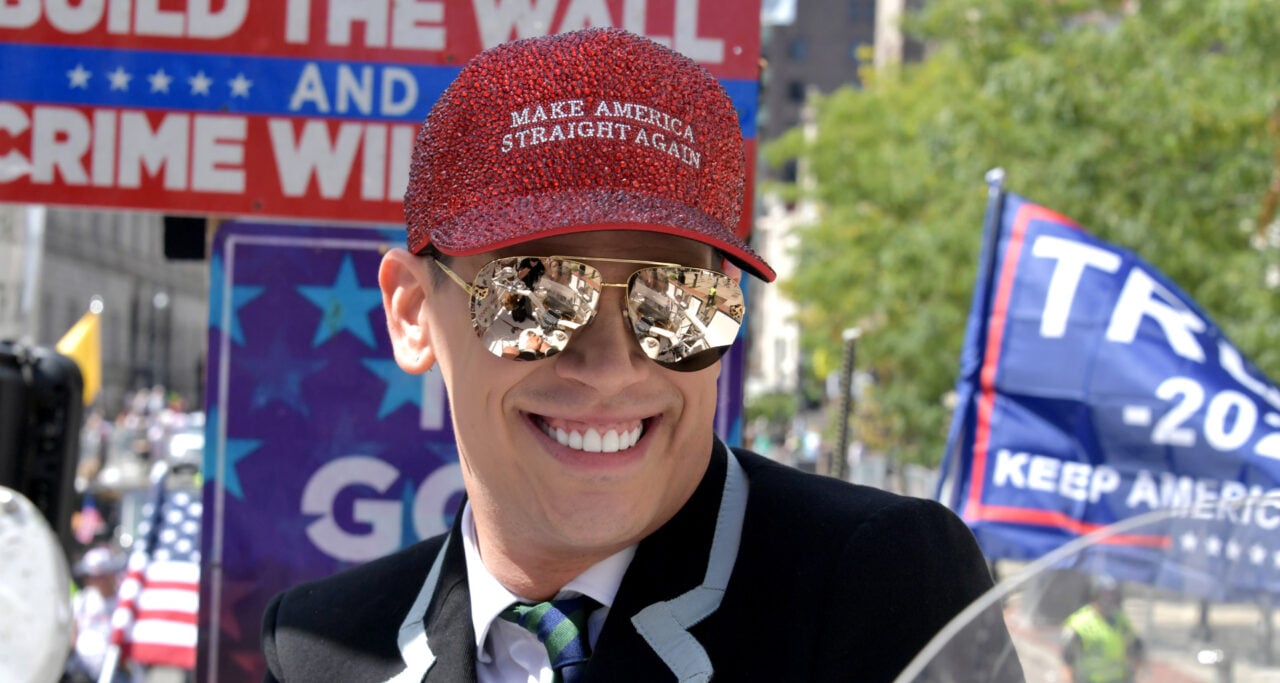
Thousands of demonstrators converged on Washington D.C. to protest against potential rollbacks to voting access and fundamental civil rights, following warnings from political leaders.
- Thousands marched in Washington D.C. to defend voting and civil rights.
- Leaders have issued warnings regarding potential legislative rollbacks.
- The protest highlights growing tensions over democratic protections in the U.S.
In a powerful display of civic engagement, thousands of protesters descended upon Washington D.C. today, marching through the streets to demand the protection of voting access and fundamental civil rights. The demonstration follows alarming warnings from political leaders and advocacy groups regarding potential legislative maneuvers aimed at curtailing democratic participation.
The core of the protest centers on the fear that upcoming policy changes could disproportionately affect marginalized communities, making it harder for millions to exercise their constitutional right to vote. Activists argue that these 'rollbacks' are not merely administrative changes but direct threats to the democratic fabric of the nation.
Why This Matters
BozokMedia analysis shows that this surge in street activism indicates a heightened state of political mobilization across the United States. As legal battles over voting procedures intensify in various states, the momentum in the capital serves as a barometer for the national sentiment regarding constitutional protections.
The fight for voting rights is a fight for the very essence of a functioning democracy and the equality of its citizens.
To understand the gravity of this moment, one must look at the Historical Background of civil rights in America. From the Reconstruction era to the landmark Voting Rights Act of 1965, the struggle to ensure equitable access to the ballot box has been a central theme in American history. Today's march represents a modern chapter in this long-standing struggle for equality.
The atmosphere in Washington remained tense but organized, as various organizations coordinated to ensure the message reached policymakers. The implications of these protests are expected to resonate through upcoming legislative sessions and judicial reviews.
Frequently Asked Questions
1. What are the primary concerns of the protesters?
Protesters are concerned about potential laws that could restrict voting access and weaken civil liberties.
2. Where is this protest taking place?
The large-scale march is taking place in Washington, D.C., the capital of the United States.