The BJP is strategically mobilizing non-dominant Dalit groups in Haryana by blending caste-specific grievances with a larger Hindu collective identity. This shift is reshaping the state's political landscape.
- BJP is consolidating non-Jat and non-dominant Dalit groups, particularly the Balmiki community.
- Haryana implemented SC sub-classification, splitting the 20% quota into DSC and OSC.
- Political slogans are increasingly blending Ambedkarite dignity with Hindu religious symbols.
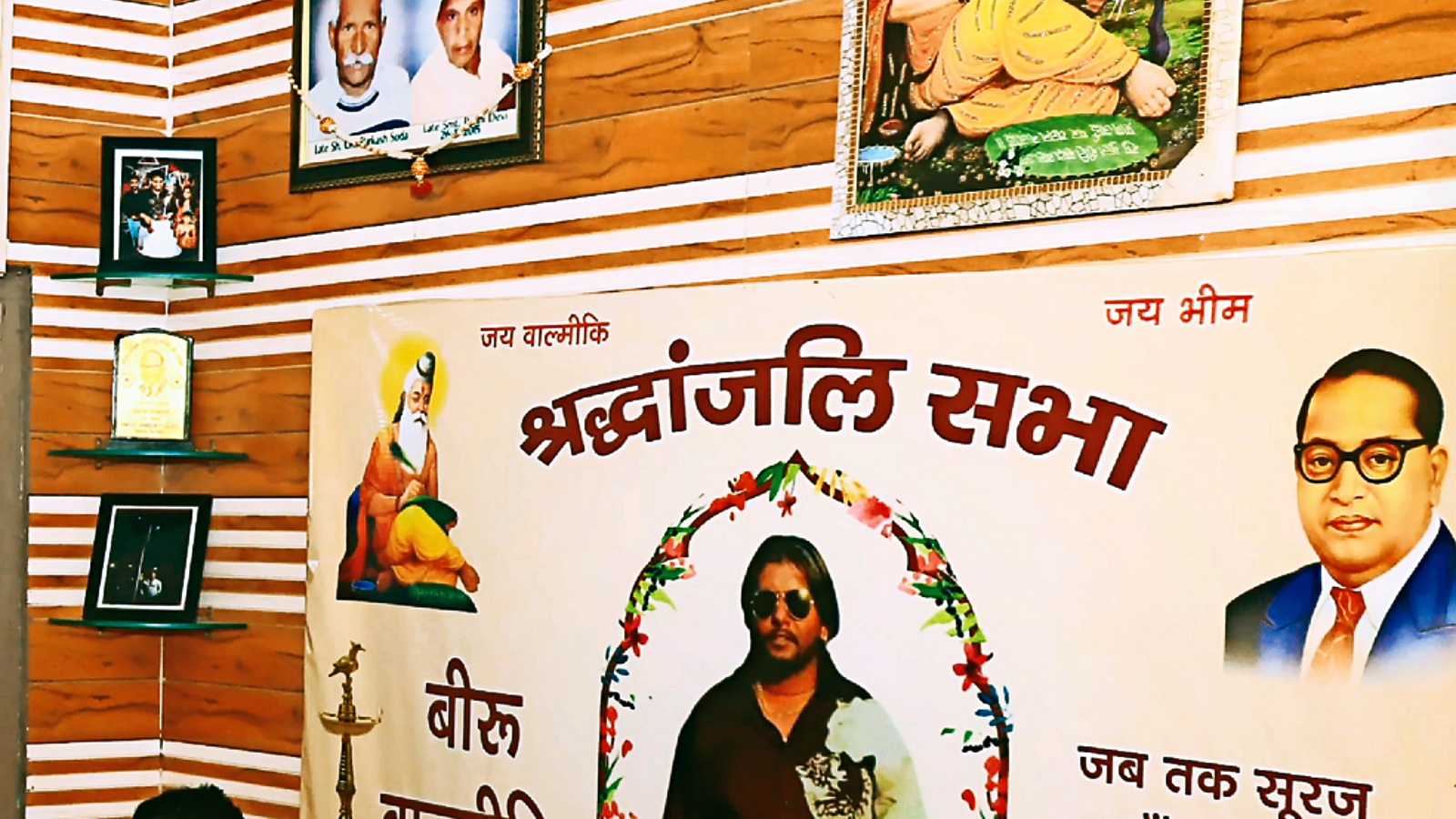
A profound political transformation is unfolding in Haryana. The recent protests in Karnal following the killing of 25-year-old Biru Balmiki revealed a striking new vocabulary. Slogans like "Jai Bhim" and "Jai Shree Ram" echoed simultaneously, signaling a convergence of Dalit assertion and broader Hindu identity.
Since 2014, under the leadership of Manohar Lal Khattar and now Nayab Singh Saini, the BJP has engaged in sophisticated caste engineering. By focusing on non-Jat and non-dominant Dalit groups, the party has successfully challenged the traditional dominance of larger Dalit blocs like the Jatavs.
The Mechanics of Sub-Classification
Following the Supreme Court's August 2024 ruling, Haryana became a pioneer by implementing SC sub-classification. The state divided its 20% Scheduled Caste quota into two distinct categories: Deprived Scheduled Castes (DSC), comprising 36 communities including Balmikis and Khatiks, and Other Scheduled Castes (OSC), which includes the Jatav bloc.
| Category | Communities Included | Political Strategy |
|---|---|---|
| DSC (Deprived) | Balmikis, Dhanaks, Khatiks | BJP Core Focus |
| OSC (Other) | Jatavs, Leather-working castes | Congress Stronghold |
Why This Matters
BozokMedia analysis shows that this strategic split is backed by electoral data. In the 2024 Haryana elections, while Congress led among Jatavs (50%-35%), the BJP maintained a lead among other SC communities (45%-33%). This division allows the BJP to carve out a loyal voter base from traditionally marginalized sub-groups.
The BJP occupies a unique space by mobilizing specific caste grievances while inviting these groups into a larger, unified Hindu framework.
This movement transcends mere reservation politics; it is an identity project. Many young Balmikis are now adopting a digital identity that identifies them as "sab se kattar Hindus" (the most fundamentalist Hindus). This integrates Ambedkarite dignity with the cultural symbols of Lord Ram.
Frequently Asked Questions
1. What is the difference between DSC and OSC in Haryana?
DSC refers to more deprived communities like Balmikis, while OSC covers larger, more established SC groups like Jatavs.
2. How is the BJP changing Dalit politics?
The BJP is moving away from autonomous Dalit politics toward an integrated Hindu identity that acknowledges caste but subsumes it under a larger religious umbrella.