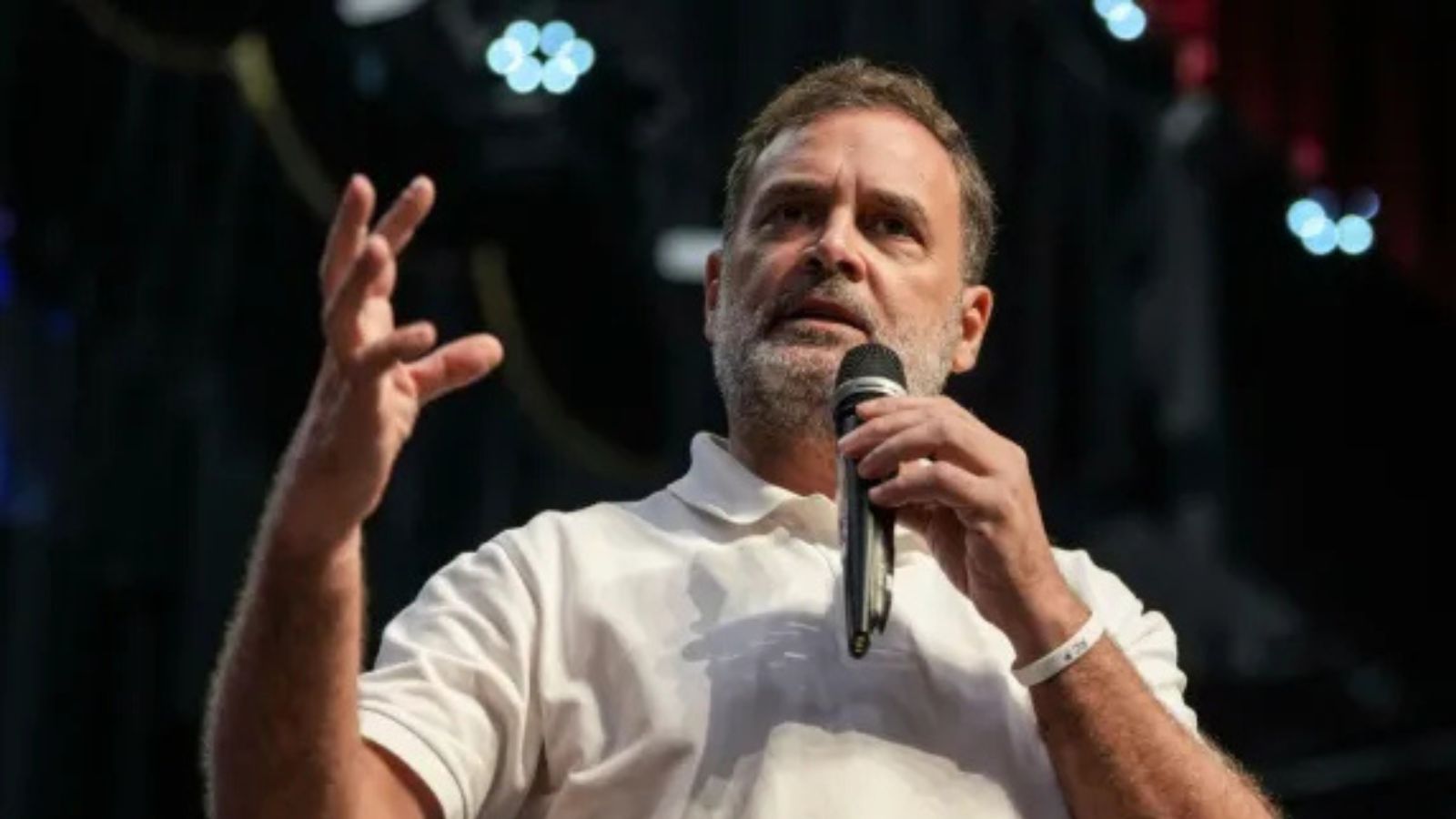
Former Chief Justice S. Muralidhar stated that the questioning nature of Gen Z is a positive indicator of India's democratic health. He called for urgent judicial reforms and an end to the weaponization of law against dissenters.
- Justice Muralidhar views Gen Z's lack of deference as a sign of democratic evolution.
- He warned against the 'weaponization of law' to punish peaceful protesters and critics.
- The former judge criticized the lack of transparency in the judicial Collegium system.
- He urged the judiciary to act swiftly against State excesses to ensure a better 2047.
In a profound address at the 28th D.S. Borker Memorial Lecture, former Orissa High Court Chief Justice S. Muralidhar offered a compelling vision for 'India 2047'. He observed that the current generation, commonly known as Gen Z, is increasingly unwilling to be swayed by political rhetoric or the demonization of dissenting voices. Rather than seeing this as a lack of respect, he characterized it as a sure sign of democratic progress.
Justice Muralidhar highlighted that the recent waves of youth-led protests serve as a guarantee that democracy in India will not be allowed to perish. He emphasized that the youth are turning to the Constitution to safeguard the nation's future, demonstrating a deep-seated commitment to democratic values.
Why This Matters
BozokMedia analysis shows that the tension between state authority and individual expression is reaching a critical juncture in India. Justice Muralidhar's comments highlight a growing concern regarding the 'criminalization of honest criticism.' If the state continues to label peaceful dissent as conspiracy, the very fabric of democratic engagement could be compromised.
'The India of 2047 would be better served if the government stops weaponizing law to punish those who peacefully protest about the denial of basic rights.'
The former judge was particularly vocal about the need for judicial accountability. He noted that the Supreme Court of the future must not delay critical constitutional matters—such as the validity of demonetization or electoral bonds—for years. He argued that for the judiciary to remain relevant, it must act swiftly on complaints of grave State excesses.
Institutional Reforms and the Collegium System
Addressing the internal workings of the legal system, Justice Muralidhar criticized the Collegium system of judicial appointments. He pointed out that since its inception in 1993, the process has suffered from unexplained executive interference, a lack of transparency, and vague selection criteria, which potentially risks suboptimal appointments to the Bench.
Furthermore, he called for a complete overhaul of the Bar Council of India (BCI), advocating for an institution that is democratic, insulated from political interference, and responsive to the public. He also addressed the massive backlog of cases, noting that many are 'dead cases' involving deceased parties or obsolete laws, alongside 'petty' cases involving tribal communities that clog the administrative system.
Frequently Asked Questions
1. Why does Justice Muralidhar support Gen Z's 'irreverence'?
He believes their refusal to follow rhetoric and their willingness to question authority is a sign that democracy is functioning and evolving.
2. What reform does he suggest for the judiciary?
He advocates for swifter decisions on constitutional matters and greater transparency in the judicial appointment process.