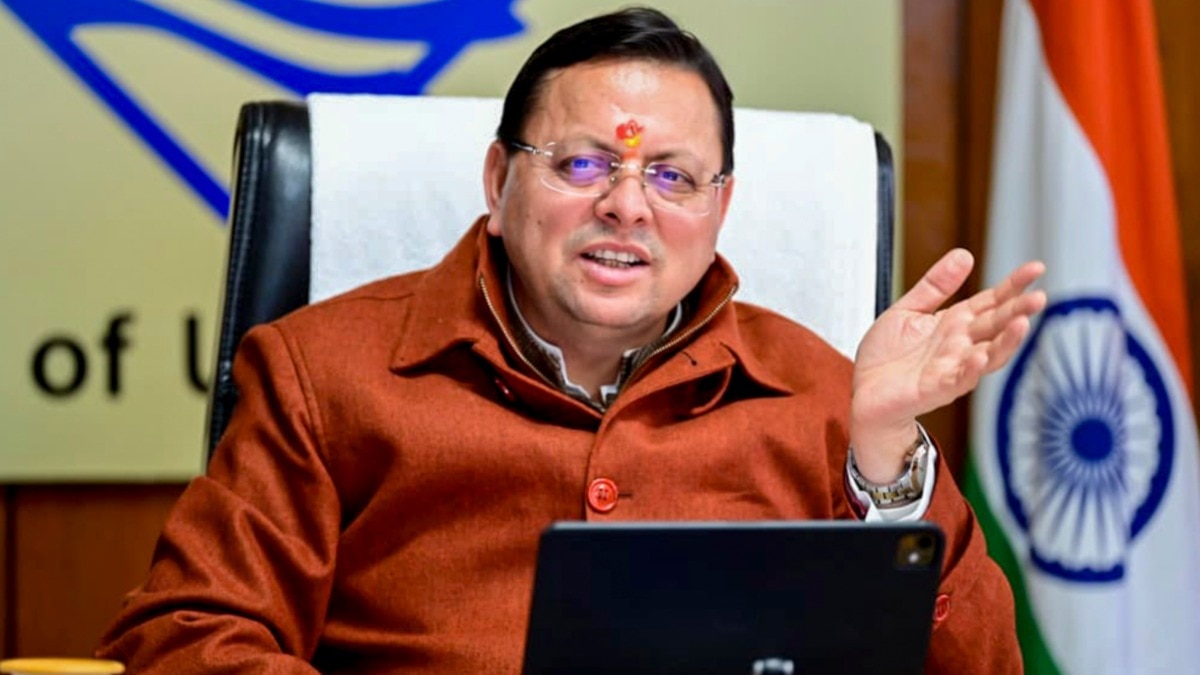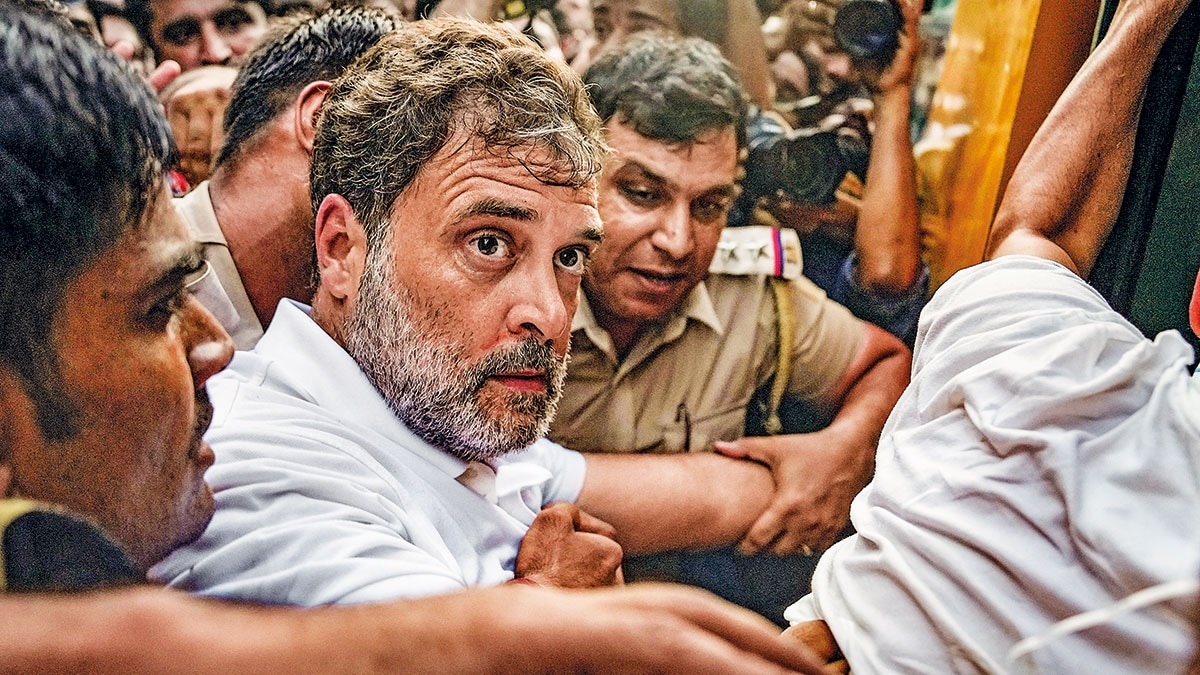
According to the latest India Today Mood of the Nation survey, PM Modi's approval rating has seen a significant dip, yet the opposition, led by Rahul Gandhi, remains stuck on a political plateau.
- PM Narendra Modi's preferred PM rating dropped from 54.7% to 48.7%.
- Leader of Opposition Rahul Gandhi's rating remains nearly stagnant at 27.1%.
- The narrowing gap between the two leaders is driven by Modi's decline rather than Gandhi's rise.
The landscape of Indian politics is witnessing a peculiar phenomenon. While the popularity of Prime Minister Narendra Modi has shown signs of cooling off, the expected surge in support for the Congress and the broader opposition has failed to materialize. The latest India Today Mood of the Nation (MOTN) survey reveals a critical disconnect in the current political climate.
A Significant Dip for the Prime Minister
The August 2026 MOTN survey indicates that PM Modi's score on the 'preferred prime minister' question has plummeted to 48.7%, down from 54.7% in January 2026. This nearly six-point drop suggests a growing sense of anti-incumbency among the electorate, signaling that the ruling dispensation is facing increased scrutiny and dissatisfaction.
The Opposition's Plateau
Despite the opening of political space due to the Prime Minister's declining ratings, the opposition appears to be struggling to capture the momentum. Rahul Gandhi, the Leader of the Opposition, has seen his rating move only marginally from 26.6% to 27.1%. This lack of movement suggests that while the electorate may be unhappy with the current leadership, they have not yet fully embraced the alternative offered by the Congress party.
Why This Matters
BozokMedia analysis shows that a decline in a leader's popularity without a corresponding rise in an opponent's popularity creates a 'political vacuum.' This vacuum can lead to fragmented mandates, the rise of regional players, or a general sense of political apathy among voters who feel that neither side adequately represents their interests.
The narrowing gap between the Prime Minister and the Opposition Leader is a symptom of the incumbent's loss of support, rather than a sign of the opposition's growing strength.
Historically, anti-incumbency waves in India have acted as catalysts for massive regime changes. However, for such a wave to translate into electoral success, the opposition must demonstrate more than just being 'not the ruling party'; they must present a compelling vision for the future. Currently, the opposition remains on a plateau, unable to climb toward the levels of dominance seen in previous decades.
Frequently Asked Questions
1. How much has PM Modi's rating dropped?
His rating has dropped by approximately six percentage points, from 54.7% to 48.7%.
2. Is Rahul Gandhi gaining popularity?
No, his rating has remained largely stagnant, moving only from 26.6% to 27.1%.