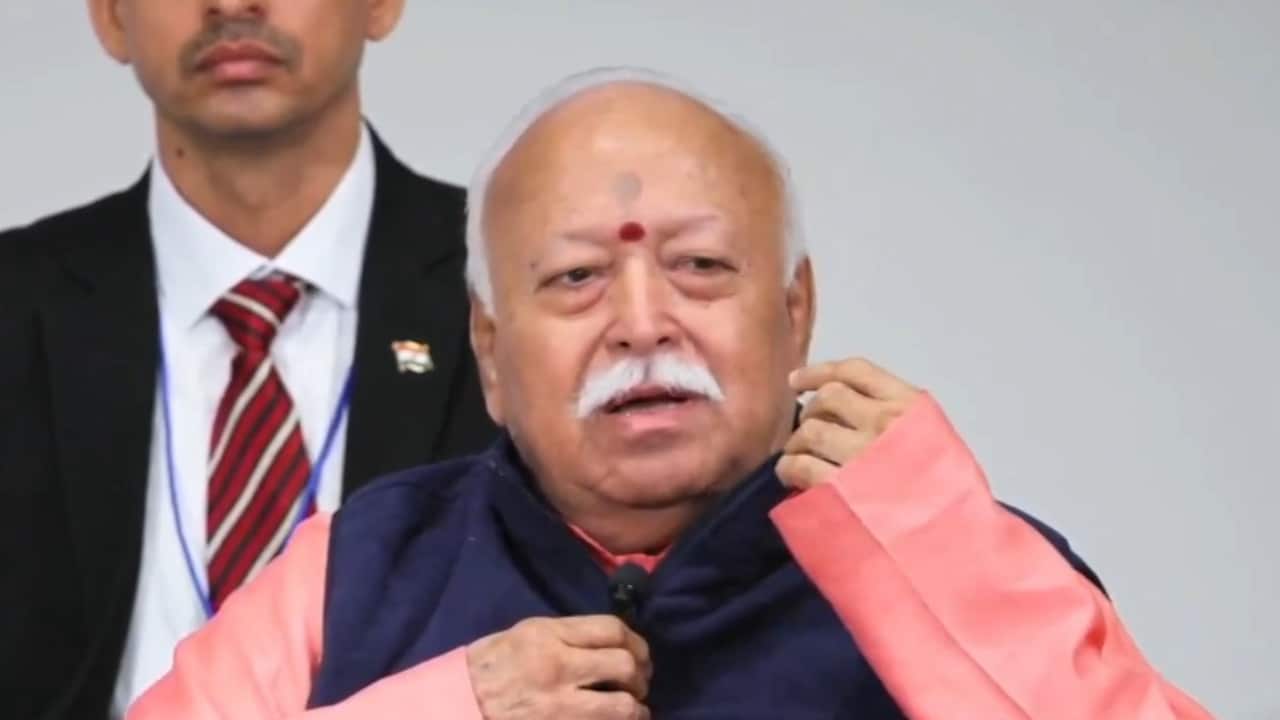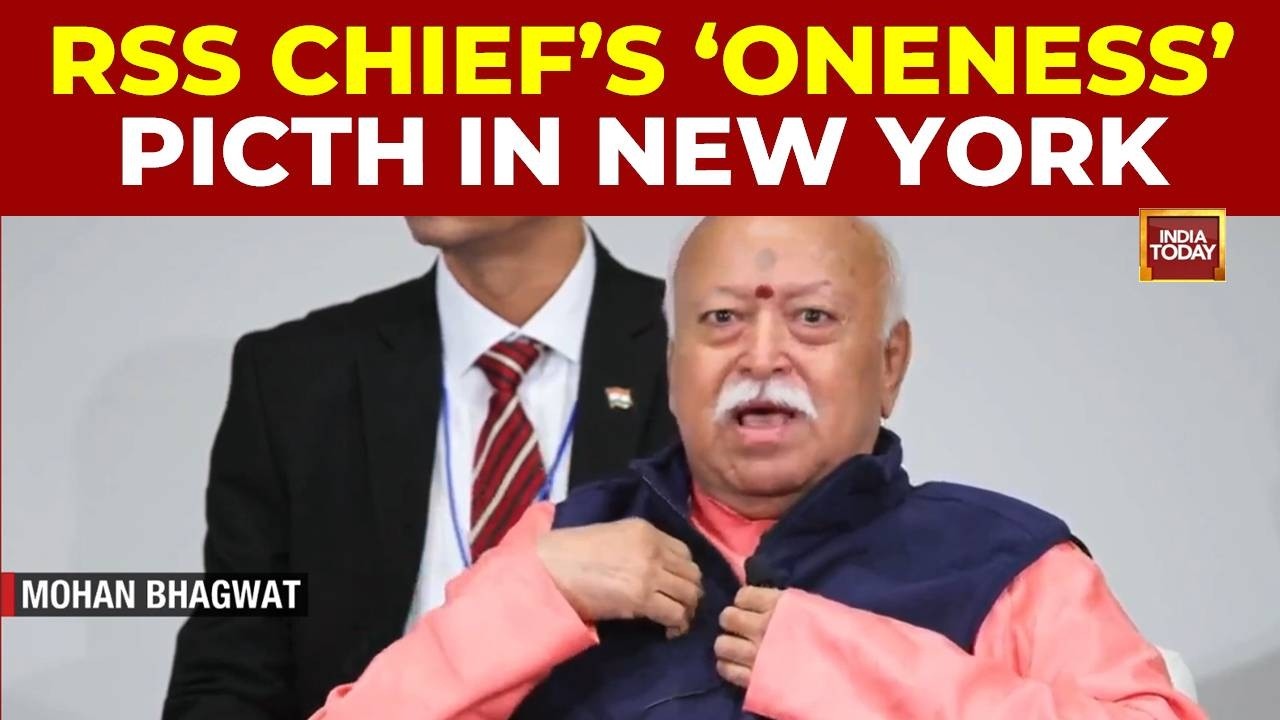
RSS Chief Mohan Bhagwat criticized the rise of self-interest in modern politics and emphasized that diversity is a decoration for humanity's innate unity. He reaffirmed the inclusive nature of Hindu philosophy.
- Mohan Bhagwat criticized the shift of politics toward personal self-interest.
- He emphasized that diversity serves as a decoration for humanity's underlying unity.
- He reaffirmed that inclusivity is central to the Hindu identity and Bharat.
Rashtriya Swayamsevak Sangh (RSS) Chief Mohan Bhagwat has delivered a profound critique of the current political landscape, stating that politics has increasingly transformed into a mere "game of self-interest." In his recent address, he lamented the departure from nation-building towards individualistic gains, urging a return to more principled leadership.
Drawing upon his background as a medical professional, Bhagwat provided a philosophical perspective on human perception. He noted that while sensory experiences limit how we view the world, the spiritual truths remain universal. He argued that while different religious paths may appear distinct, they all converge toward the same ultimate divinity.
Why This Matters
BozokMedia analysis shows that Bhagwat's emphasis on social harmony and inclusivity is a strategic attempt to redefine the narrative of Hindutva in a polarized era. By addressing the role of minorities within the national fabric, the RSS chief is signaling a shift toward a more integrative social discourse.
Diversity is not a source of division, but a decoration for our innate unity.
In a significant move to counter exclusionist rhetoric, Bhagwat recalled his 2018 Delhi address. He stated unequivocally, "If any Hindu thinks that there should be no Muslim in Bharat, he will not remain Hindu." This assertion seeks to ground the concept of Hindutva in coexistence rather than isolationism.
Historical Background
Founded in 1925, the Rashtriya Swayamsevak Sangh (RSS) has grown from a small group of volunteers into one of the world's most influential social and political organizations. Over the decades, its influence on India's cultural and political identity has been monumental, and Bhagwat highlighted that with this growing influence comes an even greater responsibility to advocate for social cohesion.
He urged society to shed the "unnecessary baggage" of prejudice and division, fostering an environment where peaceful coexistence is the norm rather than the exception.
Frequently Asked Questions
1. What was Mohan Bhagwat's main criticism of modern politics?
Answer: He stated that politics has devolved into a pursuit of self-interest rather than public service.
2. How does the RSS define diversity according to Bhagwat?
Answer: He described diversity as a decoration that enhances humanity's fundamental unity.