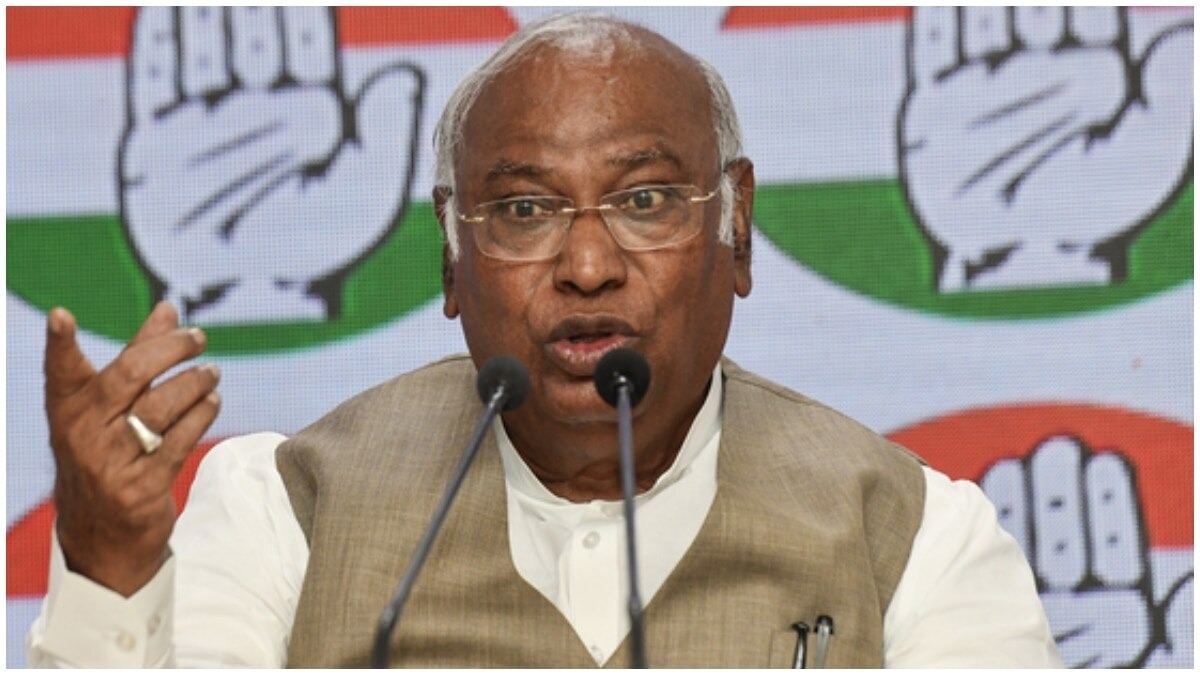
Congress leader Rahul Gandhi has sparked a conversation regarding deep-rooted caste-based discrimination, specifically touching upon the historical and social implications of segregated utensils.
- Rahul Gandhi raised critical questions regarding caste-based social segregation.
- The discussion highlights the ongoing struggle for social equality in India.
- The statement aligns with the broader political discourse on caste census and justice.
Senior Congress leader and Leader of the Opposition in the Lok Sabha, Rahul Gandhi, has brought a highly sensitive social issue to the forefront. By addressing the concept of caste-based separate cups and utensils, he has highlighted the lingering shadows of untouchability and social segregation that still haunt parts of the country.
This commentary comes at a crucial juncture when the debate over a national caste census and social justice is intensifying across India. Gandhi's remarks underscore the reality that despite constitutional safeguards, subtle and overt forms of caste-based discrimination persist in various social settings.
Why This Matters
BozokMedia analysis shows that Gandhi's focus on these micro-aggressions of caste is a strategic move to consolidate the Dalit and OBC vote banks. By highlighting the most basic forms of social exclusion, he aims to connect with the grassroots level of Indian society.
Addressing caste-based segregation is not just about social reform; it is about the fundamental integrity of Indian democracy.
The political implications of this discourse are vast. As political parties vie for the support of marginalized communities, the ability to speak directly to their lived experiences of discrimination becomes a powerful tool for political mobilization.
Historically, the use of separate utensils was a hallmark of the caste system used to enforce social distance. While laws like the Protection of Civil Rights Act exist, the cultural psyche of segregation remains a challenge for social reformers and policymakers alike.
Frequently Asked Questions
Question 1: What is the context of Rahul Gandhi's statement?
Answer: He is highlighting the persistent issues of caste-based discrimination to advocate for social justice.
Question 2: How does this impact Indian politics?
Answer: It shifts the political focus toward identity politics and the demand for structural equality.