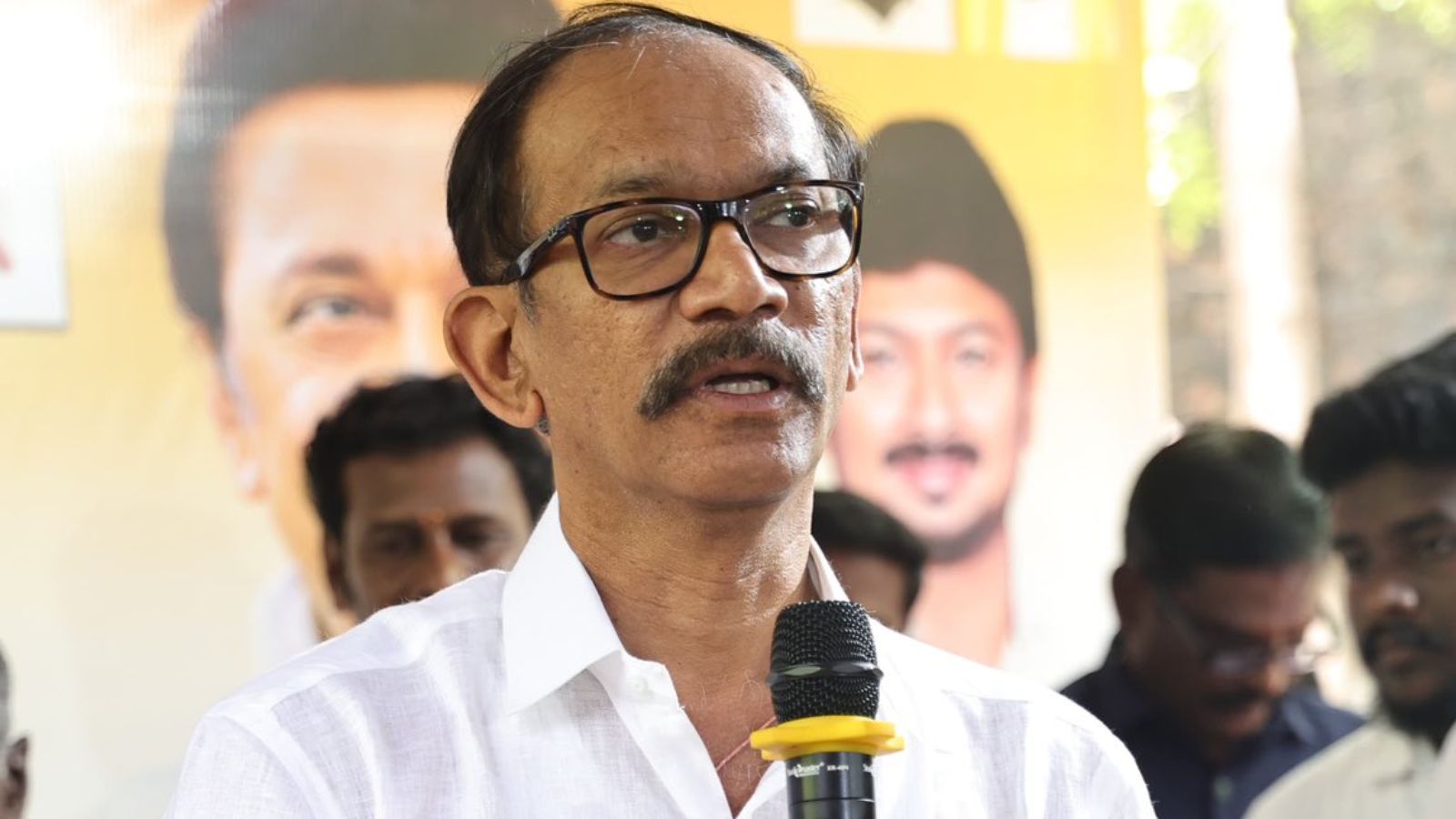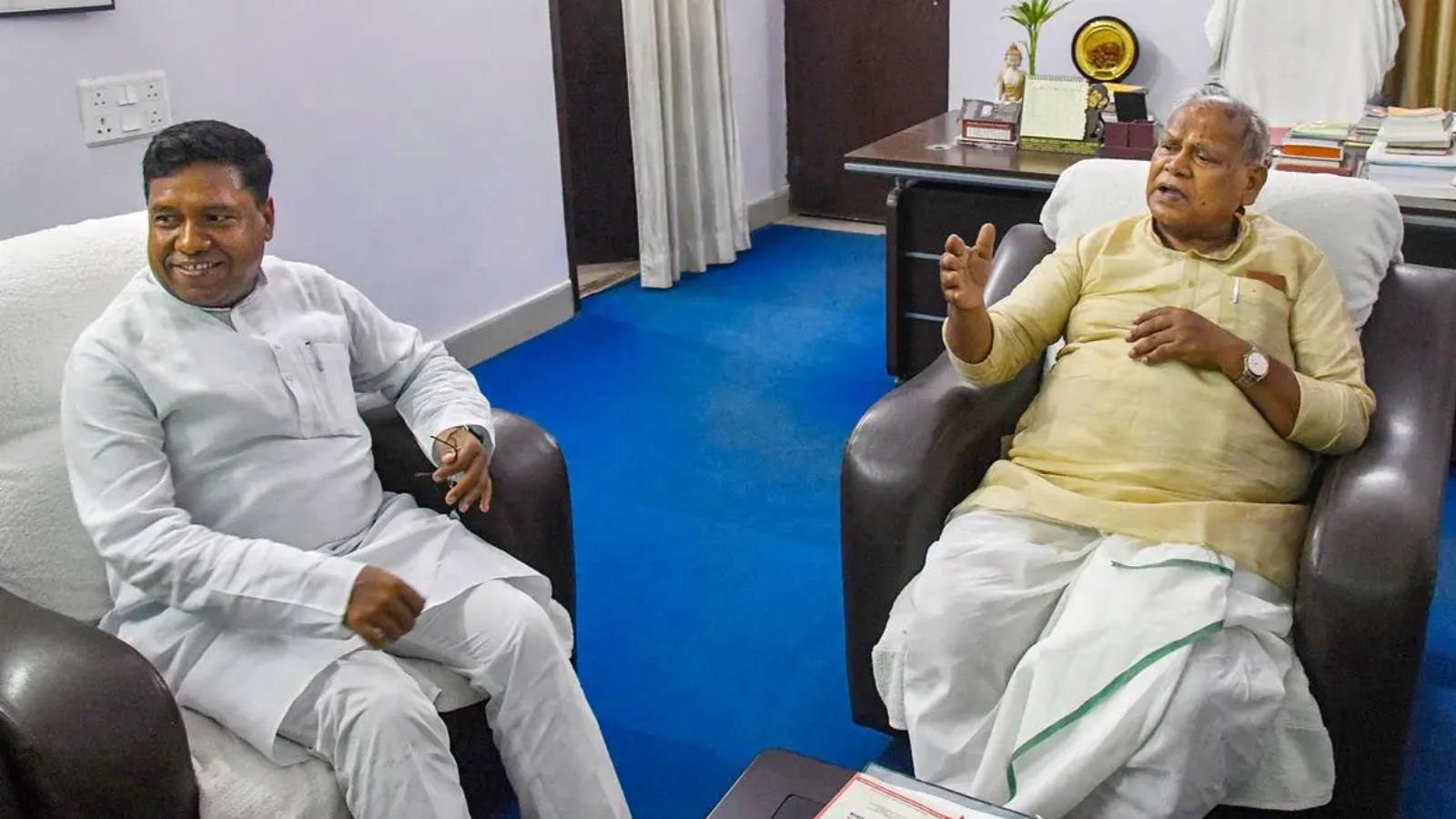
A sharp division has emerged within Bihar's ruling National Democratic Alliance (NDA) over the sub-categorization of Scheduled Castes (SCs) and Scheduled Tribes (STs). While Hindustani Awam Morcha (Secular) leader Santosh Kumar Suman has strongly backed the Supreme Court’s ruling on sub-quotas, Lok Janshakti Party (Ram Vilas) chief Chirag Paswan has vehemently opposed it, citing persistent social discrimination.
- HAM(S) leader Santosh Kumar Suman called for a review of reservation to ensure benefits reach the most marginalized communities, like the Mushahars.
- LJP(RV) chief Chirag Paswan strongly opposed sub-categorization, arguing that SC/ST quotas are based on social untouchability, not economic criteria.
- The BJP is treading cautiously, emphasizing its commitment to social justice while calling for empirical data to guide any future implementation.
The political landscape of Bihar is witnessing a fresh wave of turbulence as a major ideological rift has emerged within the ruling National Democratic Alliance (NDA). The dispute centers on the controversial issue of Scheduled Caste (SC) and Scheduled Tribe (ST) sub-categorization, pitting two key regional allies—the Hindustani Awam Morcha (Secular) and the Lok Janshakti Party (Ram Vilas)—against each other in a high-stakes battle for Dalit representation.
The debate was triggered by Santosh Kumar Suman, Bihar's Minister for Minor Water Resources and president of HAM(S). Suman, the elder son of Union Minister and HAM(S) founder Jitan Ram Manjhi, advocated for a comprehensive review of the current reservation policy. He argued that sub-categorization is essential to ensure that the benefits of reservation reach the most vulnerable and historically marginalized sub-castes who have been left behind by more dominant groups.
Chirag Paswan’s Strong Counter-Stance
In sharp contrast, Union Minister and LJP(RV) chief Chirag Paswan has vehemently opposed the Supreme Court's August 1, 2024 judgment, which allowed states to sub-classify SCs and STs. Paswan argued that reservation was constitutionally granted as a remedy for social untouchability and deep-rooted discrimination, rather than economic deprivation. He contended that sub-categorizing Dalits would disintegrate their collective social identity and bargaining power.
Why This Matters
BozokMedia analysis shows that this clash is deeply tied to the demographic and political realities of Bihar's electorate. The Dalit vote is highly fragmented among various sub-castes, primarily the Ravidas (5.3%), Paswan (5.2%), and Mushahar (4%). While Jitan Ram Manjhi’s HAM(S) represents the extremely marginalized Mushahar community, Chirag Paswan’s LJP(RV) draws its strength from the Paswan community. This debate is essentially a turf war over who champions the Dalit cause in Bihar ahead of crucial elections.
"The debate over SC/ST sub-categorization is not just legal; it is a battle for political survival and representation among Bihar's highly fragmented Dalit electorate." - Political Analyst
HAM(S) spokesperson Danish Rizwan supported Suman’s stance, pointing out that reservation benefits have historically been monopolized by dominant Dalit groups like the Ravidas and Paswans. He raised a poignant question, asking why there is still no IAS officer from the impoverished Mushahar community. HAM(S) has also pointed out flaws in the existing 'Mahadalit' framework introduced in 2008, demanding a state-level study to evaluate literacy and employment representation across all sub-castes.
Comparison of Political Strength and Stance
| Feature / Party | Hindustani Awam Morcha (HAM-S) | Lok Janshakti Party (LJP-RV) |
|---|---|---|
| Key Leader | Santosh Kumar Suman / Jitan Ram Manjhi | Chirag Paswan |
| Stance on Sub-quotas | Strongly Supports (Aids most marginalized) | Strongly Opposes (Fears division of Dalit vote bank) |
| Political Strength | 5 MLAs, 1 MP in Bihar | 19 MLAs, 5 MPs in Bihar |
| Primary Base | Mushahar & Bhuiyan (approx. 4% of SC pop) | Paswan (approx. 5.2% of SC pop) |
Meanwhile, the Bharatiya Janata Party (BJP) is walking a tightrope on the issue. BJP national spokesperson Guru Prakash Paswan stated that the party remains firmly committed to reservation as a constitutional instrument of social justice. He cautiously added that any implementation of the Supreme Court's sub-categorization ruling must be guided by empirical data and constitutional principles, trying to avoid alienating either ally.
Frequently Asked Questions
Q1: What did the Supreme Court rule regarding SC/ST sub-categorization?
A1: On August 1, 2024, a landmark Supreme Court Constitution Bench ruled that states are constitutionally permitted to sub-classify Scheduled Castes (SCs) and Scheduled Tribes (STs) to ensure that the most backward sub-castes receive targeted reservation benefits.
Q2: Why does Chirag Paswan oppose the sub-categorization of SCs/STs?
A2: Chirag Paswan opposes sub-categorization because he believes reservations were granted based on social untouchability and discrimination, not economic status, and dividing the category would weaken the collective social bargaining power of Dalits.