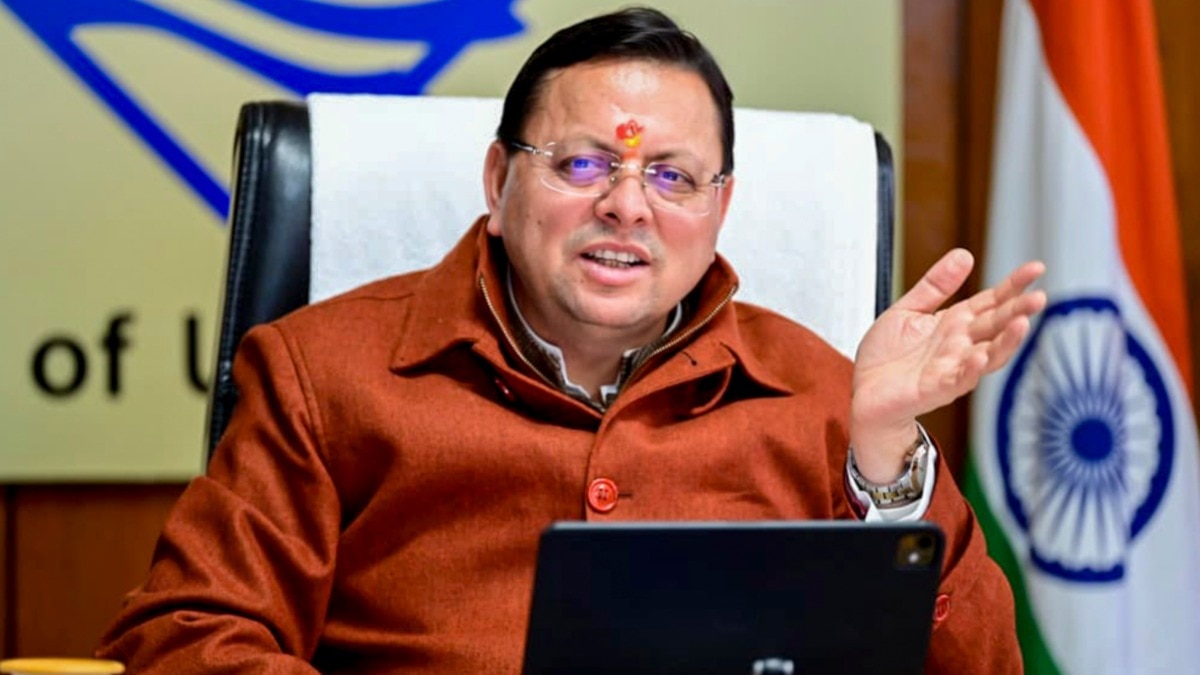
Telangana Chief Minister A. Revanth Reddy has formally requested the Election Commission of India to extend the electoral roll revision period by four weeks. He warned that nearly one-third of the state's electorate faces potential disenfranchisement due to errors in verification.
- CM Revanth Reddy has urged the ECI to extend the claims and objections period for the Special Intensive Revision (SIR).
- Approximately 92.86 lakh electors have been flagged for verification or anomalies.
- Concerns raised over 45.19 lakh voters being incorrectly marked as 'permanently shifted'.
- Urban hubs like Hyderabad are disproportionately affected by the verification notices.
In a significant move to protect voter rights, Telangana Chief Minister A. Revanth Reddy has addressed a letter to Chief Election Commissioner Gyanesh Kumar, seeking a four-week extension for the Special Intensive Revision (SIR) of electoral rolls. The Chief Minister expressed deep concern over the current pace and accuracy of the verification process, which could potentially exclude millions of eligible voters from the democratic process.
The scale of the revision is immense. Out of the state's 3.38 crore electors, nearly 73.39 lakh entries have been categorized under ASDD (Absent, Shifted, Dead, and Duplicate). Furthermore, of the 2.65 crore digitized enumeration forms, over 60 lakh have been flagged for anomalies, bringing the total number of electors requiring formal notice to a staggering 92.86 lakh.
Why This Matters
BozokMedia analysis shows that the classification of voters is currently hitting a critical bottleneck. If the distinction between temporary absence (due to work or travel) and permanent relocation is not strictly maintained, the state risks a massive accidental deletion of legitimate voters, particularly in mobile urban populations.
"The integrity of the electoral roll is the bedrock of democracy; any error in classification can lead to widespread voter disenfranchisement."
A major point of contention in the CM's letter is the ASDD classification. Specifically, 45.19 lakh voters—nearly 62% of the ASDD entries—have been labeled as 'permanently shifted'. Mr. Reddy argued that the current system fails to account for the nuances of modern living, where citizens frequently move for employment or temporary circumstances but remain eligible residents.
The geographical impact is also highly skewed. The urban corridors of Hyderabad, Medchal-Malkajgiri, and Rangareddy account for only one-third of the state's electorate but represent 58.06% of the ASDD entries. This high density of migrant workers and tenants makes traditional residence proof difficult to maintain, creating a systemic disadvantage for urban dwellers.
To mitigate these risks, the Chief Minister proposed several safeguards, including the public reading of draft rolls at Gram Sabhas and Ward Committee meetings, the establishment of booth-level helpdesks, and a more flexible list of acceptable documents for verification.
Frequently Asked Questions
1. Why is the Chief Minister asking for an extension?
To ensure that eligible voters flagged for verification have enough time to provide necessary documents and prevent wrongful deletions.
2. Which districts are most affected by this revision?
Hyderabad, Medchal-Malkajgiri, and Rangareddy are seeing the highest volume of verification notices.