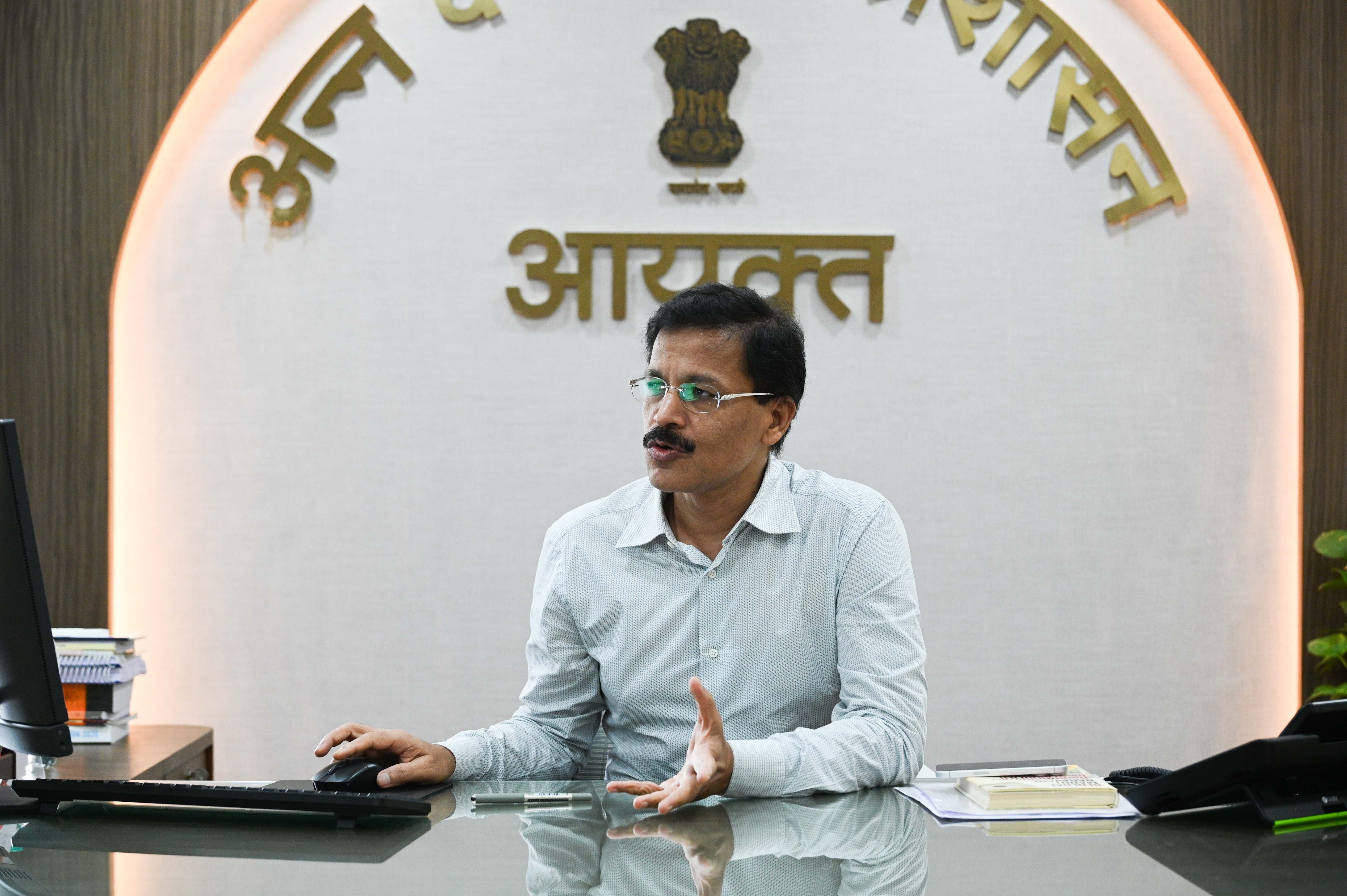
The recent crackdown by Maharashtra FDA Commissioner Tukaram Mundhe on unhygienic food establishments has sparked a debate on whether India has lowered its expectations of the state to an alarming degree.
- Maharashtra FDA Commissioner Tukaram Mundhe has led massive inspections against unsafe food practices.
- The public celebration of routine regulatory duties highlights a systemic decline in state performance expectations.
- True reform requires institutional strength rather than reliance on individual 'hero' officers.
The widespread acclaim following Tukaram Mundhe, the Maharashtra Food and Drug Administration (FDA) Commissioner, and his recent crackdown on unhygienic food establishments presents a profound sociological question. Since taking charge, Mundhe’s teams have conducted thousands of inspections, suspended licenses, and exposed massive lapses in food safety across large chains and local eateries. While the public rejoices, the phenomenon reveals a troubling truth: we have become so accustomed to state failure that performing a statutory duty is now viewed as an extraordinary act of heroism.
When consumers witness a regulator imposing consequences on unsafe businesses, they experience a rare sensation—the feeling that the state is actually present and functioning. However, this should be a cause for concern rather than celebration. Inspecting food businesses and protecting consumers is the very essence of a regulator's job. When a road being relaid or an encroachment being cleared is treated as a crusade, it signifies that the minimum standard of governance has plummeted.
Why This Matters
BozokMedia analysis shows that the issue transcends food safety. India faces systemic challenges with counterfeit drugs, unsafe construction, and environmental pollution. In many cases, the state only arrives after a tragedy has occurred. For a modern, leading economy, enforcement cannot be episodic or theatrical; it must be predictable, certain, and severe enough to deter misconduct.
Currently, many businesses treat penalties as a mere 'cost of doing business' or a 'management fee' to be negotiated. A law that is rarely enforced effectively becomes a suggestion. When enforcement is unpredictable, it creates a landscape where corruption can be managed rather than eliminated. A tough officer might increase the cost of corruption, but without institutional reform, they may not dismantle the underlying networks of patronage.
A republic cannot depend on finding a 'Singham' every time the system needs to function; it needs institutions that make integrity the path of least resistance.
The vulnerability of civil servants remains a central flaw. In a system where postings and transfers are used as tools for political reward or punishment, survival often dictates silence. While the public loves the cinematic archetype of the fearless officer, the reality of administrative independence is often fragile. The real test of a democracy is not how much we praise an honest officer, but how well the system protects them when they collide with powerful interests.
Frequently Asked Questions
1. What was the recent action by the Maharashtra FDA?
The commissioner led a massive crackdown on food establishments found violating hygiene and safety standards, leading to license suspensions and seizures.
2. Why is individual heroism insufficient for governance?
Individual efforts are temporary and vulnerable to political pressure; lasting change requires institutionalized processes and political support.