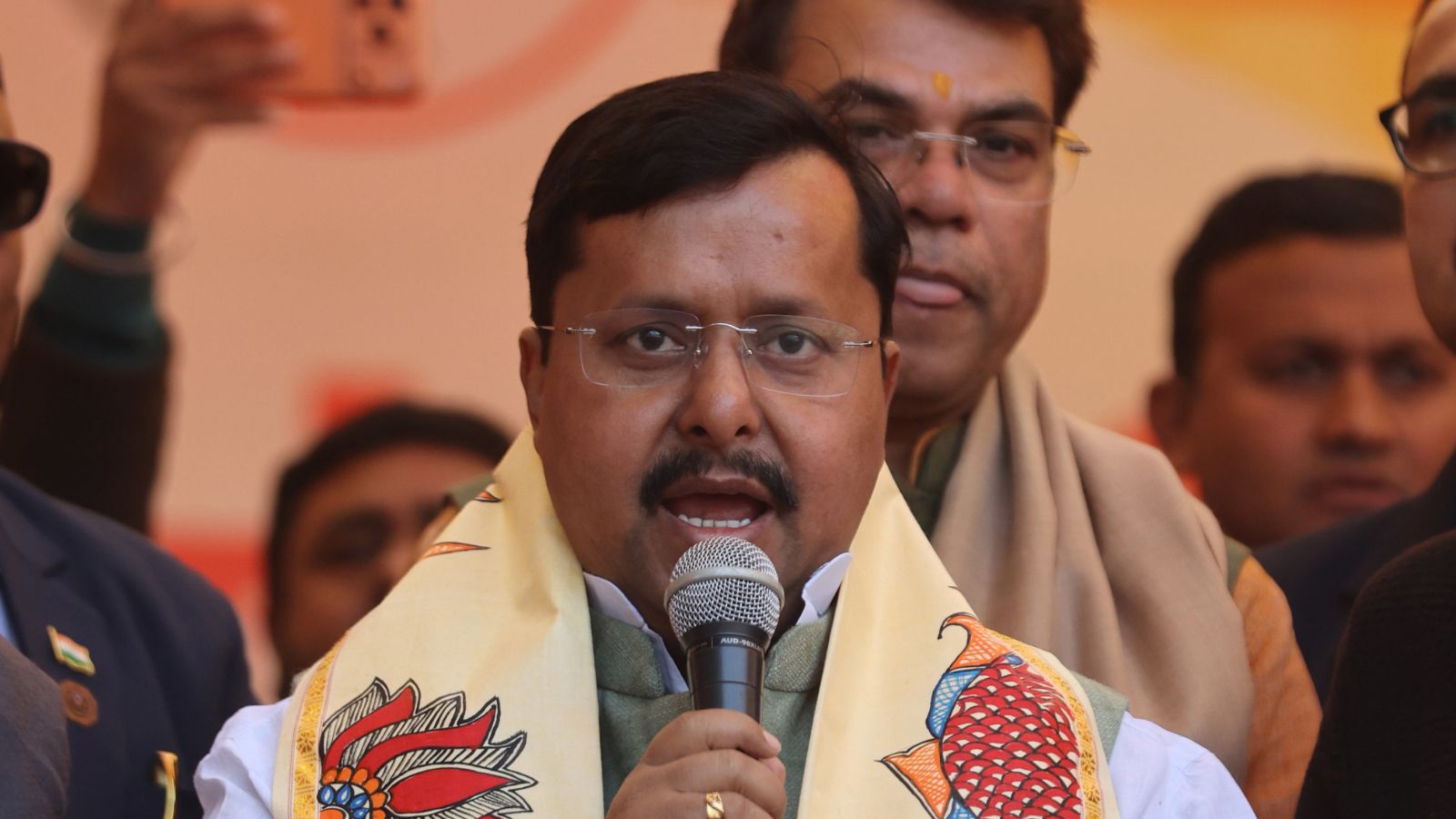
BJP President Nitin Nabin led a high-level meeting to design a specialized outreach program for Gen Z and young professionals. The strategy emphasizes small-scale engagements over massive rallies to build deeper connections.
- BJP President Nitin Nabin chaired a crucial meeting focused on Gen Z and youth engagement.
- The strategy shifts focus from massive rallies to smaller, more frequent gatherings for better impact.
- A new feedback mechanism will be established to ensure youth issues reach top leadership.
- Strategic preparations for upcoming polls in UP, Punjab, and Gujarat were also discussed.
In a significant move to capture the demographic dividend, Bharatiya Janata Party (BJP) President Nitin Nabin chaired a high-level meeting on Saturday to deliberate on a comprehensive outreach plan targeting Gen Z and the youth. According to party sources, the meeting served as a foundational step in redefining how the party communicates with India's massive young population.
The meeting saw a diverse gathering of leadership, including organizational stalwarts and ministers from BJP-ruled states. A key consensus emerged during the session: youth outreach should be a continuous, grassroots-level process. Instead of relying solely on large-scale political rallies, the party intends to utilize small, intimate gatherings to foster authentic connections with young voters.
Why This Matters
BozokMedia analysis shows that as India's electorate shifts towards a younger demographic, traditional political campaigning is becoming less effective. The BJP's pivot toward a 'reliable mechanism' for listening to youth concerns suggests an attempt to bridge the gap between policy-making and the aspirations of students and young professionals. By prioritizing feedback, the party aims to insulate itself against the growing influence of digital-native political movements.
To win the hearts of Gen Z, political parties must move beyond rhetoric and establish direct, reliable channels of communication.
The meeting was attended by several prominent figures, including National General Secretaries Smriti Irani and Vinod Tawde, Union Minister Mansukh Mandaviya, and MPs Anurag Thakur, Tejasvi Surya, and Ravi Kishan. Regional leaders such as Gujarat Deputy CM Harsh Sanghavi and Chhattisgarh Finance Minister O P Choudhary were also present, highlighting the pan-India scale of this initiative.
The core objective of the discussion was to seek structured feedback from various youth segments, ranging from academic students to established professionals. The leadership wants to ensure that the party's agenda aligns with the socio-economic realities faced by the younger generation today.
Beyond youth engagement, the agenda was not limited to outreach. The leadership also utilized this session to discuss electoral preparedness for critical upcoming battles in Uttar Pradesh, Punjab, and Gujarat. Integrating youth energy into these state-level campaigns is seen as a vital component of the party's long-term strategy.
Frequently Asked Questions
1. What is the main difference in the BJP's new youth strategy?
The new strategy focuses on continuous engagement through small gatherings and feedback loops rather than just large-scale, periodic rallies.
2. Which states' elections were discussed in this meeting?
The meeting included discussions on electoral preparations for Uttar Pradesh, Punjab, and Gujarat.