Vandita Mishra analyzes how the student movement at Jantar Mantar has illuminated the growing internal resentments within the BJP and the disconnect between Rahul Gandhi and the Congress party.
- The BJP is facing internal unrest due to centralized decision-making and a growing reliance on external political consultants.
- Rahul Gandhi is emerging as a strong individual leader, but he appears to be moving ahead without his party.
- Issues like education reform, job scarcity, and paper leaks are creating new political vulnerabilities for the ruling party.
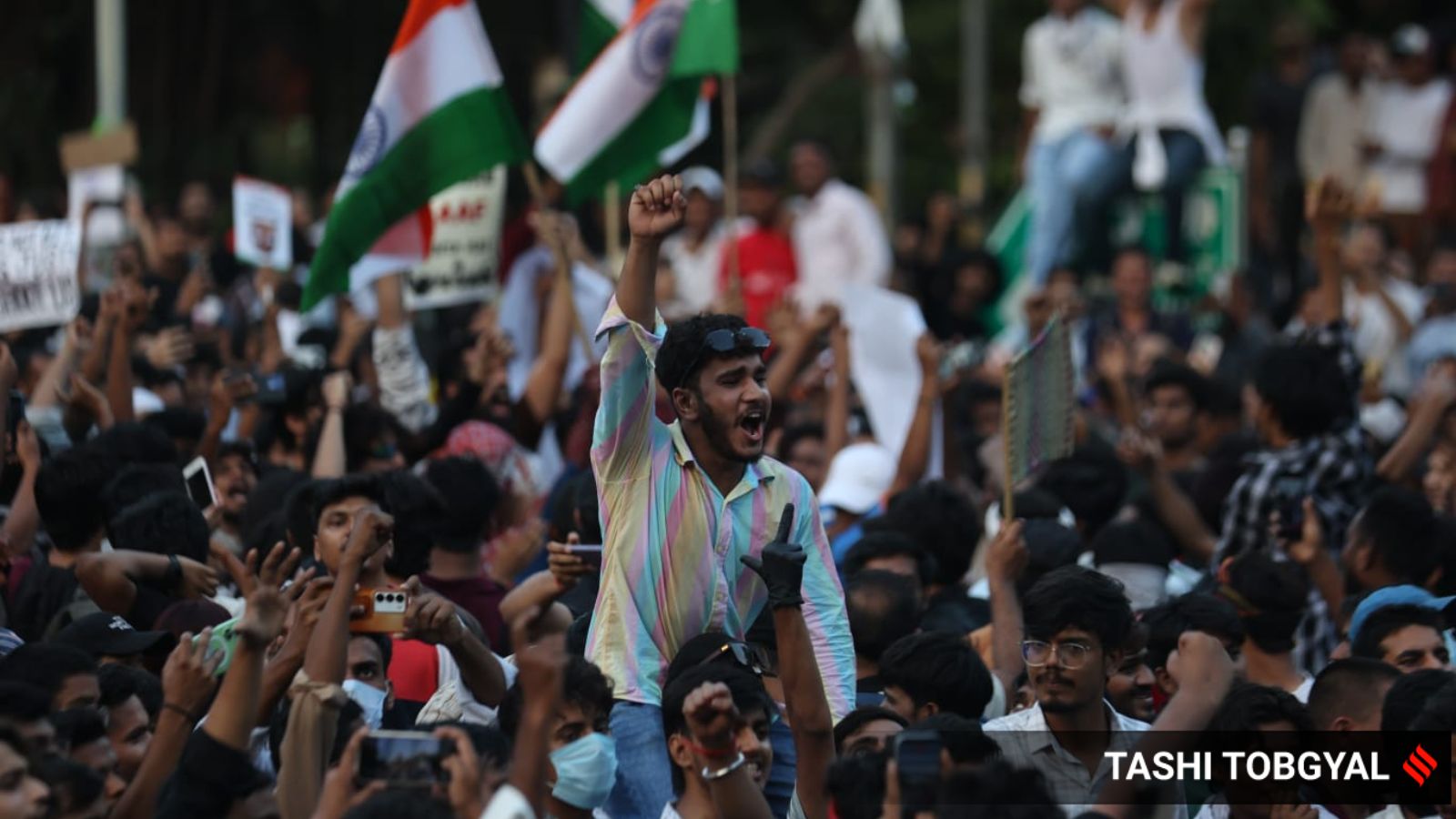
The recent student movements and the agitations at Jantar Mantar have cast a piercing light on the two titans of Indian politics: the Bharatiya Janata Party (BJP) and the Indian National Congress. As analyzed by Vandita Mishra, these movements are not just about Gen Z; they are exposing the structural and leadership crises within both major political entities.
The BJP: Internal Resentment and Institutional Decay
Entering its third term at the Center, the BJP is grappling with a sense of political staleness. In states like Uttar Pradesh, the 'double engine' model is facing scrutiny due to systemic issues such as exam paper leaks and rising unemployment. Rather than focusing on modernizing educational processes, the party has spent significant political capital on ideological projects and institutional control, a move that is now backfiring among the youth.
Furthermore, there is a growing murmur within the senior leadership regarding the 'outsourcing' of decision-making to professional political consultancies. This shift from a grassroots-driven cadre to a data-driven consultancy model is weakening the party's traditional machinery and alienating its dedicated karyakartas.
The cracks in the BJP's monolith are not appearing in Delhi, but in the regional units where resentment against centralized control is mounting.
Congress: A Leader Without a Party
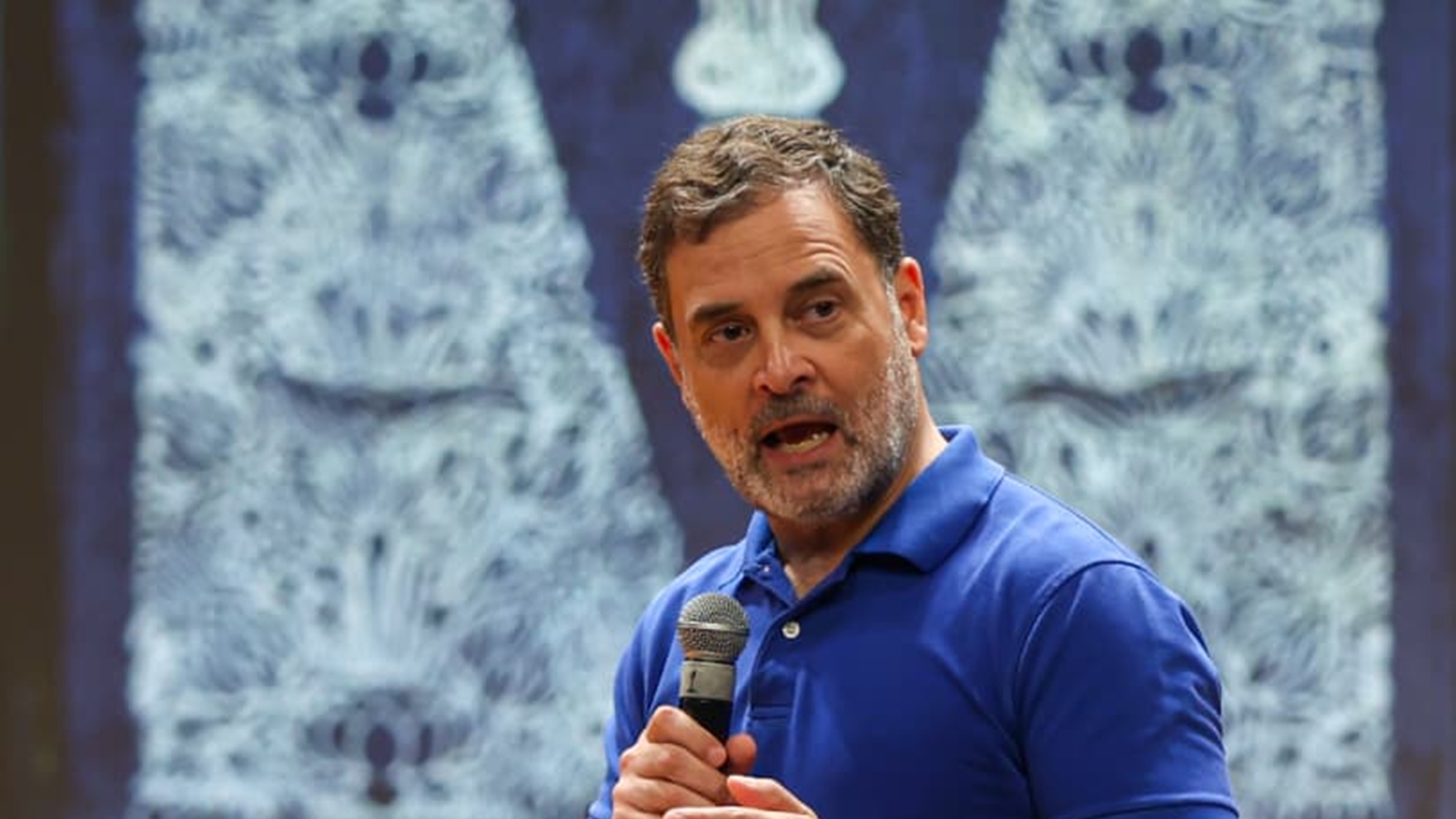
On the opposite side, the Congress presents a different kind of paradox. Rahul Gandhi has successfully carved out a persona that resonates with the public, moving beyond the propaganda aimed at him. His recent protests and outreach programs have positioned him as a leader capable of tackling core issues independently.
BozokMedia analysis shows that the fundamental problem for Congress is the disconnect between Gandhi and his own organization. While Gandhi's personal political capital is rising, the party remains bogged down by inertia and factionalism. There is a visible skepticism within Gandhi toward the very party he leads, often resulting in him taking the party by surprise with his political maneuvers.
| Metric | BJP | Congress |
|---|---|---|
| Core Vulnerability | Internal discontent and institutional capture | Leadership-Organization disconnect |
| Decision Making | Highly centralized (Modi-Shah) | Individual-centric (Gandhi) |
| Primary Challenge | Addressing youth anger & job security | Transforming individual charisma into party strength |
Historical Context: The Shift in Political Dynamics
Historically, Indian politics was driven by massive party machines. However, the current era is seeing a shift where individual leaders (like Gandhi) or centralized high commands (like the BJP) are sometimes at odds with their own organizational structures, creating a volatile political landscape.
Frequently Asked Questions
1. What is causing unrest within the BJP?
Unrest is being driven by a perceived lack of state-level leadership, the influence of external consultants, and dissatisfaction over issues like education and corruption.
2. Why is Rahul Gandhi's leadership considered 'detached' from Congress?
Because his major political strides, such as the Bharat Jodo Yatras, often happen independently of the party's formal machinery and organizational support.