After a nearly decade-long gap, student union elections are returning to Madhya Pradesh, sparking intense mobilization by ABVP and NSUI across the state.
- Student union elections are returning to Madhya Pradesh for the first time since 2017.
- The High Court directed colleges to conduct elections following a PIL.
- Major student wings like ABVP and NSUI are mobilizing Gen Z voters.
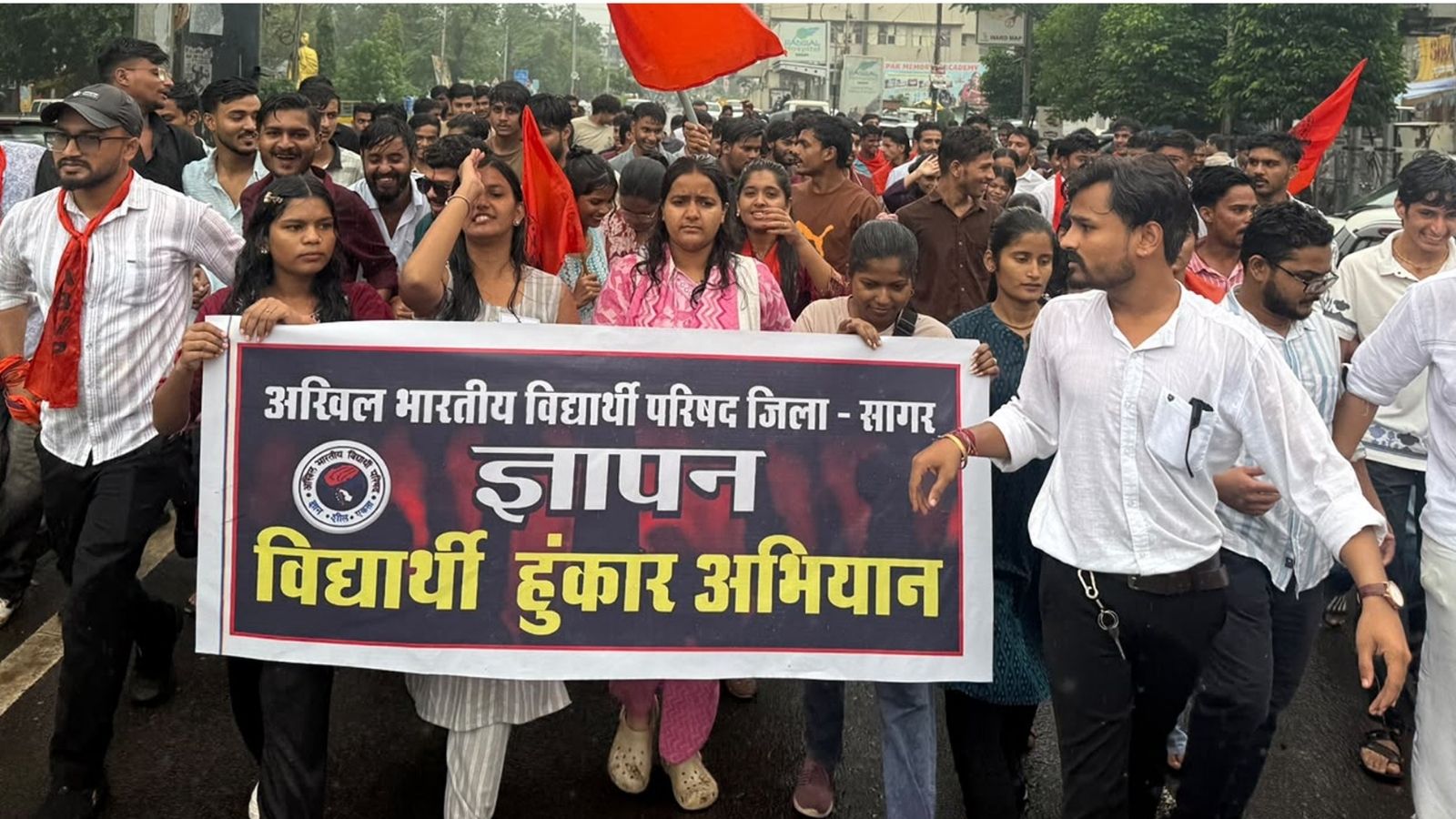
A new chapter in Madhya Pradesh's political landscape is unfolding as student politics returns to campuses after a nine-year hiatus. From protesters breaking through police barricades in Indore to water cannons being used against NSUI marchers in Katni, the state is witnessing a massive surge in student activism and mobilization.
A Battle for Influence
Political organizations are gearing up for the upcoming student union elections, which represent the first such exercise in the state since 2017. The ABVP (RSS-affiliated) and NSUI (Congress-affiliated) are aggressively conducting motorcycle rallies, membership drives, and meetings to engage a new generation of students—a cohort that has largely grown up without the presence of elected campus representatives.
Why This Matters
BozokMedia analysis shows that this revival comes at a critical juncture for Indian student politics. Following massive nationwide agitations—such as the Cockroach Janta Party protests in Delhi regarding examination irregularities—student issues like NEET paper leaks and institutional accountability have regained national prominence. Madhya Pradesh will serve as a litmus test to see if this national sentiment translates into local electoral success.
The return of campus elections is not merely a procedural revival but a significant shift in how youth grievances are channeled into formal political structures.
The history of student elections in Madhya Pradesh has been fraught with volatility. Direct elections were halted in 2003 due to rising violence and political interference. A dark milestone occurred in 2006 with the killing of professor H S Sabharwal in Ujjain, which fundamentally altered the discourse on campus safety and led to the implementation of the Supreme Court-mandated Lyngdoh Committee recommendations.
The Legal Catalyst for Change
The long deadlock was broken by a Public Interest Litigation (PIL) filed by student leader Adnan Ansari. He challenged the state's practice of collecting student union fees while denying students the right to elect representatives. On August 3, the Madhya Pradesh High Court took note of the 2026-27 academic calendar and directed universities to conduct elections with necessary police assistance.
Frequently Asked Questions
1. Why were student elections suspended in Madhya Pradesh for so long?
Elections were largely suspended due to concerns over campus violence, political interference, and the implementation of strict Supreme Court guidelines.
2. What role did the High Court play in the revival of these elections?
The High Court directed the conduct of elections following a PIL that highlighted the unfair collection of union fees without elected representation.