The Tamil Nadu government has reduced former Chief Minister M.K. Stalin's security from Z plus to Z category, citing diminished threat levels following a Chennai police review. This decision has been vehemently opposed by Viduthalai Chiruthaigal Katchi (VCK) chief Thirumavalavan, who termed it unacceptable and urged immediate restoration of the higher security cover. Political reactions are now keenly awaited from the state government regarding a potential reconsideration.
- Tamil Nadu government downgraded M.K. Stalin's security from Z plus to Z category.
- The security detail was reduced from 54 to 34 personnel.
- Chennai police cited 'diminished threat levels' as the reason for the downgrade.
- VCK chief Thirumavalavan opposed the decision, demanding restoration of Z plus security.
- The move has sparked significant political debate in the state.
Chennai, Tamil Nadu: The Tamil Nadu government has scaled down the security cover for former Chief Minister and Dravida Munnetra Kazhagam (DMK) chief M.K. Stalin from Z plus to Z category. The decision follows a review by the Chennai police, which cited 'diminished threat levels' as the primary reason for the downgrade. This move has ignited a fresh political debate in the state, with opposition parties questioning the timing and rationale behind the decision.
The reduction in security means that M.K. Stalin's detail will now consist of 34 personnel, down from the previous 54. Z plus security is one of the highest levels of protection in India, typically involving around 55 personnel, including National Security Guard (NSG) commandos. In contrast, Z category security usually comprises approximately 22 personnel, including 4-5 NSG or CRPF commandos along with police personnel.
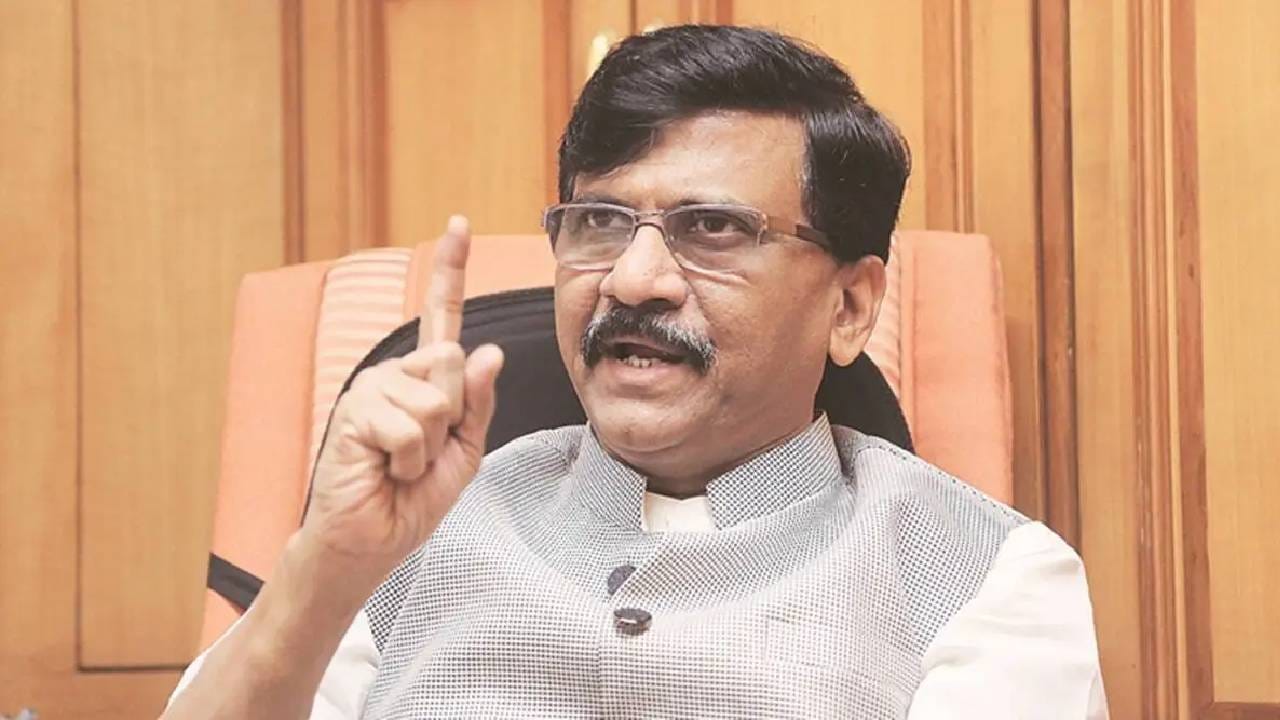
The Viduthalai Chiruthaigal Katchi (VCK) chief Thirumavalavan has vehemently opposed the Tamil Nadu government's decision, labeling it 'unacceptable'. He urged the state government to take immediate steps to restore Stalin's Z plus security status. Thirumavalavan emphasized that such a significant reduction in security for a prominent opposition leader and former chief minister could pose a serious risk to his safety, especially given the volatile political landscape.
Officials from the Chennai police have defended their decision, stating it is a 'standard procedure' where threat perceptions are assessed at regular intervals. According to them, based on the latest intelligence inputs and ground reports, the perceived threat level to M.K. Stalin has indeed diminished. However, critics argue that such decisions are often influenced by political considerations, particularly when the individual concerned is a key opposition figure.
Historical Background
Security for high-profile individuals, especially politicians, has always been a sensitive issue in India. Security categories like Z plus, Z, Y, and X are determined by the Ministry of Home Affairs based on recommendations from intelligence agencies such as the Intelligence Bureau (IB) and the Research and Analysis Wing (RAW). These security reviews aim to adapt protection protocols according to evolving threat landscapes. In the past, security covers of several politicians have been altered, often leading to political accusations and counter-accusations. It is often seen not just as a matter of security, but also as a symbol of political stature and power.
Why This Matters
BozokMedia analysis shows that the downgrade of security for a prominent opposition leader like M.K. Stalin carries significant political implications. This move is not merely a change in security protocol but a potent symbol within Tamil Nadu's political dynamics. While the ruling party may frame it as a routine administrative decision, the opposition could interpret it as an attempt to undermine or marginalize a political rival. This decision could heighten political tensions in the state and become a focal point in upcoming elections, where opposition parties might leverage it as an instance of 'political vendetta'.
Experts suggest that security assessments should be based purely on objective intelligence, free from political considerations or retribution, to maintain public trust.
As of now, there has been no official response from the state government regarding whether they will reconsider Thirumavalavan's demand. Meanwhile, speculation is rife in political circles about whether this decision will further deepen the existing political rivalries in Tamil Nadu, setting the stage for heightened scrutiny and debate.
Frequently Asked Questions
- What is the difference between Z-plus and Z security?
Z-plus is the highest security category in India, typically involving around 55 personnel (including 10+ NSG commandos), while Z category involves approximately 22 personnel (including 4-5 NSG/CRPF commandos). - Who decides the security level of a politician in India?
The security level is determined by the central Ministry of Home Affairs based on threat assessments and recommendations from intelligence agencies like the Intelligence Bureau (IB) and Research and Analysis Wing (RAW).