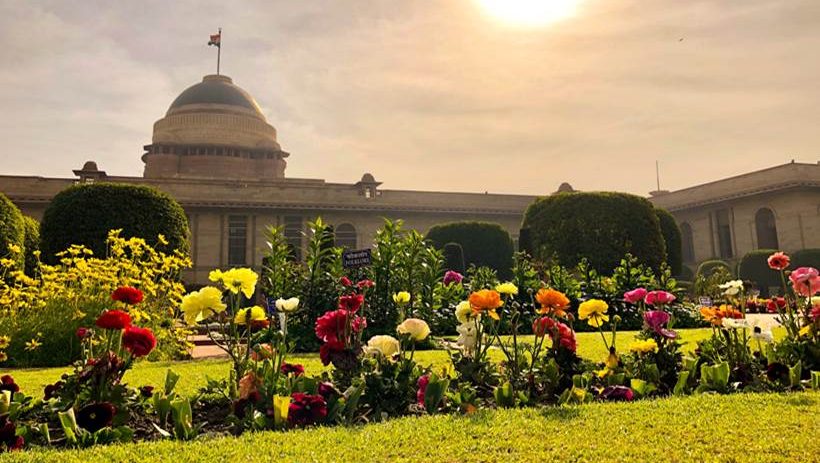
To maintain its global identity, Delhi must strike a delicate balance between modern infrastructure and historical preservation. The Master Plan 2047 outlines a comprehensive vision for the restoration of the Yamuna and the safeguarding of cultural legacies.
- MPD-2047 aims to transform Delhi into a resilient, eco-friendly, and future-ready metropolis.
- Focus on ecological restoration of 1,700 hectares of Yamuna floodplains and 7,784 hectares of the Delhi Ridge.
- Implementation of Cultural Resource Management Plans for approximately 1,500 heritage assets.
- Introduction of financial incentives like TDR and 'adaptive reuse' for heritage properties.
Few cities possess a historical legacy as rich and diverse as Delhi. However, as India marches toward the Prime Minister’s vision of Viksit Bharat 2047, the capital faces a critical challenge: ensuring that rapid urbanization does not erase its ancestral roots. Great cities are defined not just by the concrete they pour, but by what they preserve and pass on to future generations.
Natural Capital as Core Infrastructure
Climate change has fundamentally rewritten the rules of urban planning. Rising temperatures, acute water stress, and deteriorating air quality are no longer mere environmental concerns—they are public health crises. Under the Master Plan for Delhi 2047 (MPD-2047), rivers, forests, and wetlands are being repositioned from 'aesthetic amenities' to 'essential urban infrastructure'.
The Yamuna River, which has shaped Delhi's civilization for centuries, is now the centerpiece of ecological regeneration. The plan proposes the protection and restoration of nearly 1,700 hectares of floodplains. By upgrading sewage treatment and utilizing bioremediation, the city aims to stop pollution at the source. Furthermore, a proposed 52-kilometer cycling corridor seeks to reconnect the citizens with the waterfront.
The Ridge and Biodiversity Corridors
Complementing the river is the Delhi Ridge, an extension of the ancient Aravalli Range. MPD-2047 envisions the scientific management of approximately 7,784 hectares of the Ridge, prioritizing native species over mere plantation numbers. The goal is to create a citywide ecological framework that supports cleaner air and cooler neighborhoods, mitigating the urban heat island effect.
Preserving the Living History
Delhi's forts, stepwells, and historic precincts are living narratives of various eras. The MPD-2047 seeks to bring 1,500 heritage assets under structured Cultural Resource Management Plans. A pivotal strategy here is 'adaptive reuse', where heritage buildings are sensitively converted into museums, libraries, or boutique hotels to remain economically viable.
"Heritage conservation should not be viewed as a financial burden, but as an opportunity to build a sustainable heritage economy that generates tourism and employment."
Why This Matters
BozokMedia analysis shows that if Delhi prioritizes grey infrastructure over blue-green infrastructure, it will face escalating climate vulnerabilities. Integrating nature and heritage is not just about nostalgia; it is a strategic necessity to improve the city's Livability Index and ensure long-term environmental stability.
| Focus Area | Current State | MPD-2047 Goal |
|---|---|---|
| Yamuna Floodplains | Polluted/Encroached | 1,700 Ha Ecological Restoration |
| Delhi Ridge | Fragmented Greenery | 7,784 Ha Scientific Management |
| Heritage Sites | Isolated Conservation | Integrated Management for 1,500 Assets |
Frequently Asked Questions
1. What is the primary goal of Master Plan 2047?
The goal is to make Delhi a sustainable, green, and heritage-rich city that aligns with India's vision of becoming a developed nation by 2047.
2. What does 'adaptive reuse' mean in the context of heritage?
It refers to the process of repurposing old buildings for modern uses (like offices or cafes) while preserving their historical and architectural integrity.
