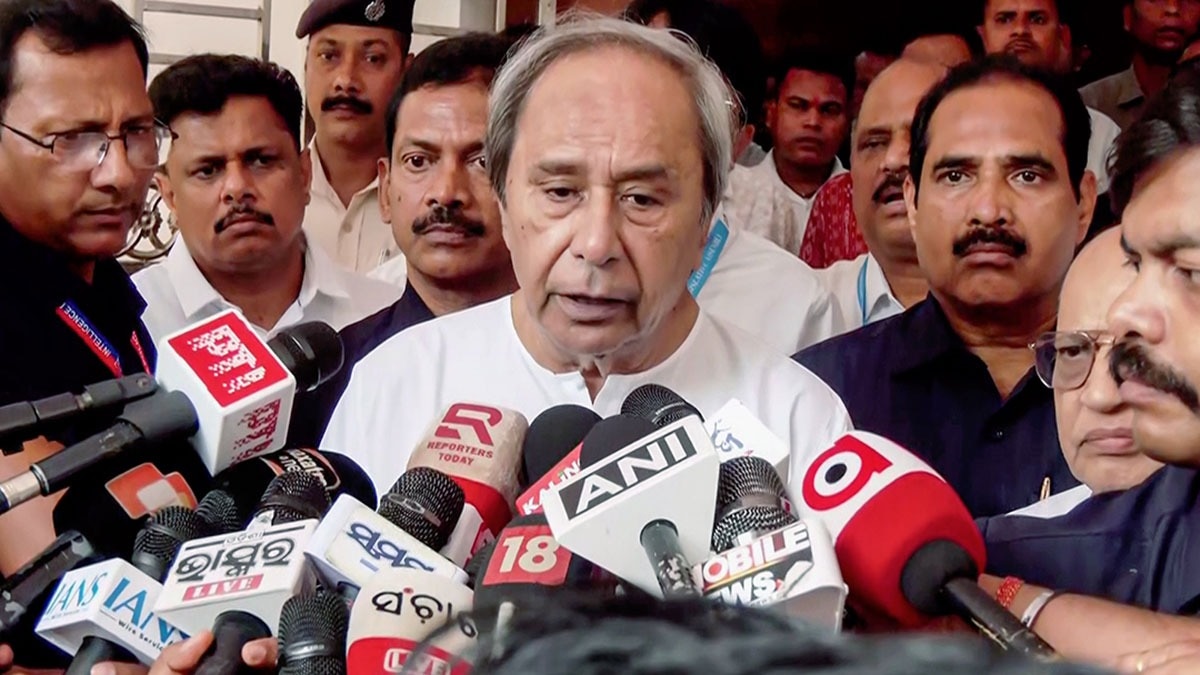
Former CM Naveen Patnaik has slammed the Mines and Minerals Amendment Act 2026, claiming it will cost Odisha over ₹12,000 crore annually and strip the state of its resource sovereignty.
- Naveen Patnaik opposed the Mines and Minerals (Development and Regulation) Amendment Act, 2026.
- Claims a potential annual revenue loss of over ₹12,000 crore for Odisha.
- Concerns raised over the erosion of state control over mineral-bearing lands and environmental degradation.
Naveen Patnaik, president of the Biju Janata Dal (BJD) and Leader of the Opposition in the Odisha assembly, has launched a fierce offensive against the Mines and Minerals (Development and Regulation) Amendment Act, 2026. In a pointed letter to all BJP MPs from Odisha, Patnaik argued that the legislation is a direct assault on the state's economic autonomy and resource management.
Describing August 13—the day the bill passed in the Lok Sabha—as a "black day for Odisha," Patnaik questioned the integrity of the state's representatives. He argued that by voting in favor of the law, BJP MPs have prioritized party loyalty over the interests of the people who elected them to protect the state's wealth.
The Economic and Sovereignty Crisis
Odisha is a powerhouse of natural resources, accounting for nearly 44 per cent of India's total mineral wealth. Patnaik highlighted that the amendment restricts the state's power to levy taxes on mineral rights, leading to an estimated annual revenue loss of ₹12,000 crore. However, he emphasized that the financial loss is secondary to the loss of control over the land itself.
Why This Matters
BozokMedia analysis shows that Patnaik is strategically framing this as a battle for "Odisha's Rights" rather than a partisan clash. By challenging BJP MPs to "listen to their conscience," he is attempting to create a wedge between the regional aspirations of Odisha and the centralized directives of the BJP high command. This move puts the ruling BJP in Odisha in a precarious position where they must either defend a central law that harms the state's treasury or risk defying their own party leadership.
"The shift of mineral control from state to center represents a significant pivot in India's federal structure, potentially alienating resource-rich states."
Beyond economics, Patnaik linked the law to the social costs of mining. He argued that the communities in mining belts, who suffer from pollution, displacement, and environmental hazards, are being betrayed when the economic value of those resources is diverted away from the state's control.
| Metric | Previous Framework | 2026 Amendment Impact (Alleged) |
|---|---|---|
| Taxation Power | Strong State Authority | Severely Restricted |
| Resource Control | State-led Management | Increased Centralization |
| Fiscal Impact | Stable State Revenue | ₹12,000 Crore+ Annual Loss |
Frequently Asked Questions
Q1: Why does Naveen Patnaik call the amendment a 'black day'?
A: Because he believes it strips Odisha of its right to tax and control its own mineral wealth, leading to massive revenue losses.
Q2: What is the political implication for BJP MPs?
A: They are caught between supporting their party's central legislation and representing the regional economic interests of their constituents in Odisha.