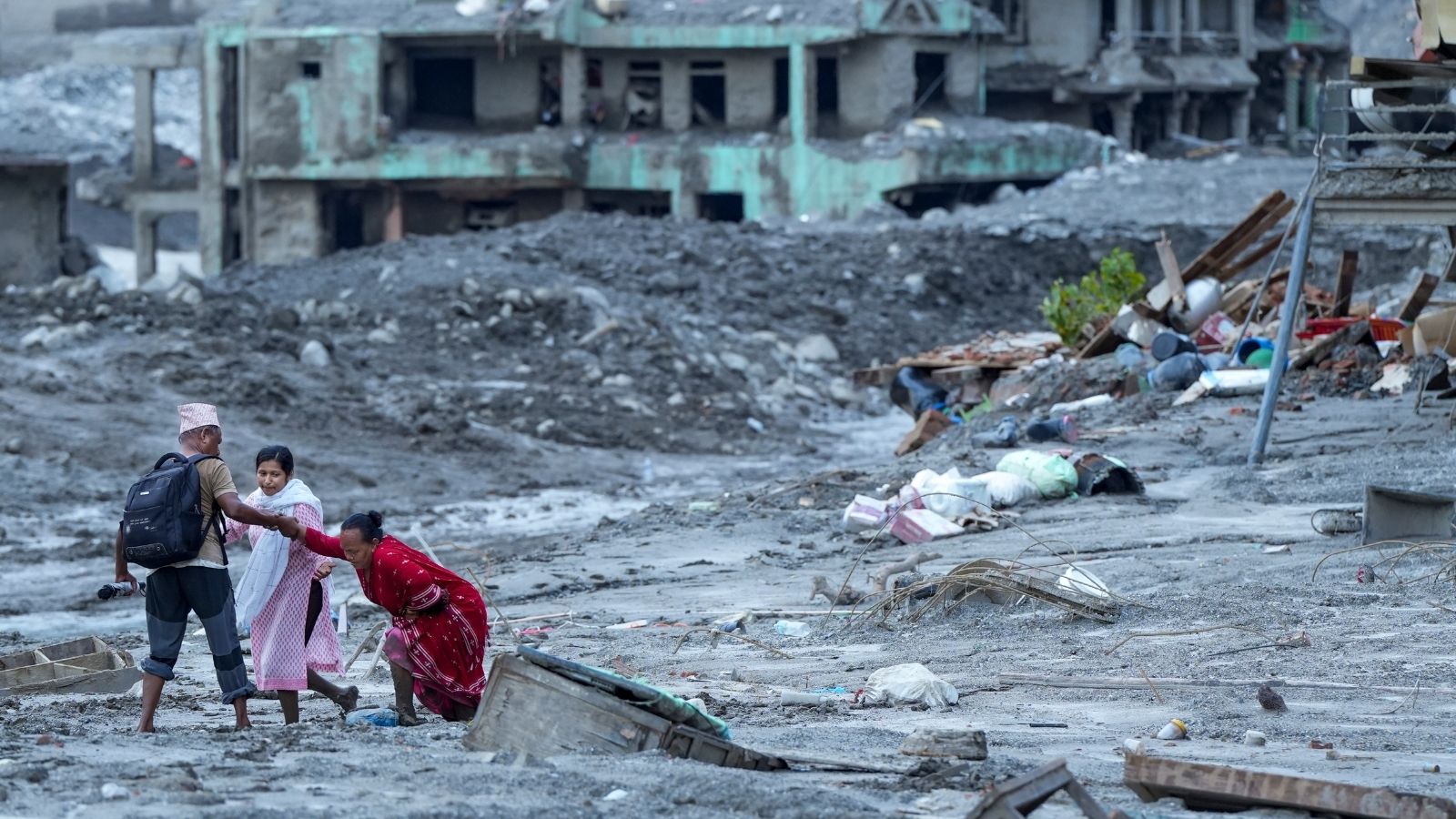
The catastrophic floods in Rasuwa, Nepal, have obliterated modern infrastructure, sparking a critical debate on the sustainability of top-down development in the fragile Himalayan ecosystem.
- Devastating flash floods in Rasuwa erased Chinese-funded infrastructure, including the Timure dry port and hydropower plants.
- Over 900 lives were lost, with impacts described as more severe than the 2015 earthquake.
- The disaster highlights the dangerous gap between geopolitical ambitions and ecological realities in the Himalayas.
The recent devastation in Nepal's Rasuwa district serves as a grim reminder that nature's forces are indifferent to political ambitions. On August 26, a catastrophic flash flood swept through the region, erasing years of infrastructure development. The Gyirong port complex, the Chilime-Gyirong Transmission Line, and the Syabrubesi-Rasuwagadhi Road—all symbols of China's strategic investment in Nepal—were virtually wiped off the map.
Field observations by Mahesh Kushwaha reveal a stark contrast between the high-tech concrete facilities on the Chinese side of the border and the basic structures on the Nepali side. However, this contrast became irrelevant when the surge of the Trishuli River destroyed both, proving that massive concrete structures are often ill-suited for the volatile Himalayan terrain.
Why This Matters
BozokMedia analysis shows that this tragedy is a symptom of a broader systemic failure. Governments in Beijing, New Delhi, and Kathmandu have prioritized 'capital-intensive connectivity'—highways, railways, and integrated check posts—over ecological sanity. This top-down approach to security and development ignores indigenous knowledge and the historical fluidity of borderland communities, treating the mountains as a blank canvas for engineering rather than a living, breathing ecosystem.
"The pursuit of grand infrastructure in ecologically fragile zones is not development; it is a gamble with human lives."
The disaster has sparked a geopolitical blame game, with some accusing China of failing to share hydrological data. While bilateral coordination is indeed lacking, the deeper issue lies in the philosophy of development. The push for projects like the Nepal-China railway continues despite clear evidence of ecological and financial unfeasibility.
| Approach | Traditional/Indigenous Model | Modern/State Model |
|---|---|---|
| Material | Local, flexible, organic | Concrete, heavy steel, rigid |
| Planning | Community-led/Adaptive | Top-down/Centralized |
| Priority | Ecological Harmony | Connectivity & Geopolitics |
Similar patterns are evident in India's approach to its border with Nepal, where increased surveillance and fortification often disrupt centuries-old social ties. The focus on 'hard' infrastructure over 'soft' community resilience creates a dangerous vulnerability when climate-induced disasters strike.
Frequently Asked Questions
1. What caused the scale of destruction in Rasuwa?
A combination of climate-driven glacial melt and the construction of rigid, oversized infrastructure that disrupted natural drainage and slope stability.
2. Is infrastructure development necessary for Nepal?
Yes, but it must be 'climate-smart' and community-centric rather than driven by geopolitical competition and grand architectural visions.