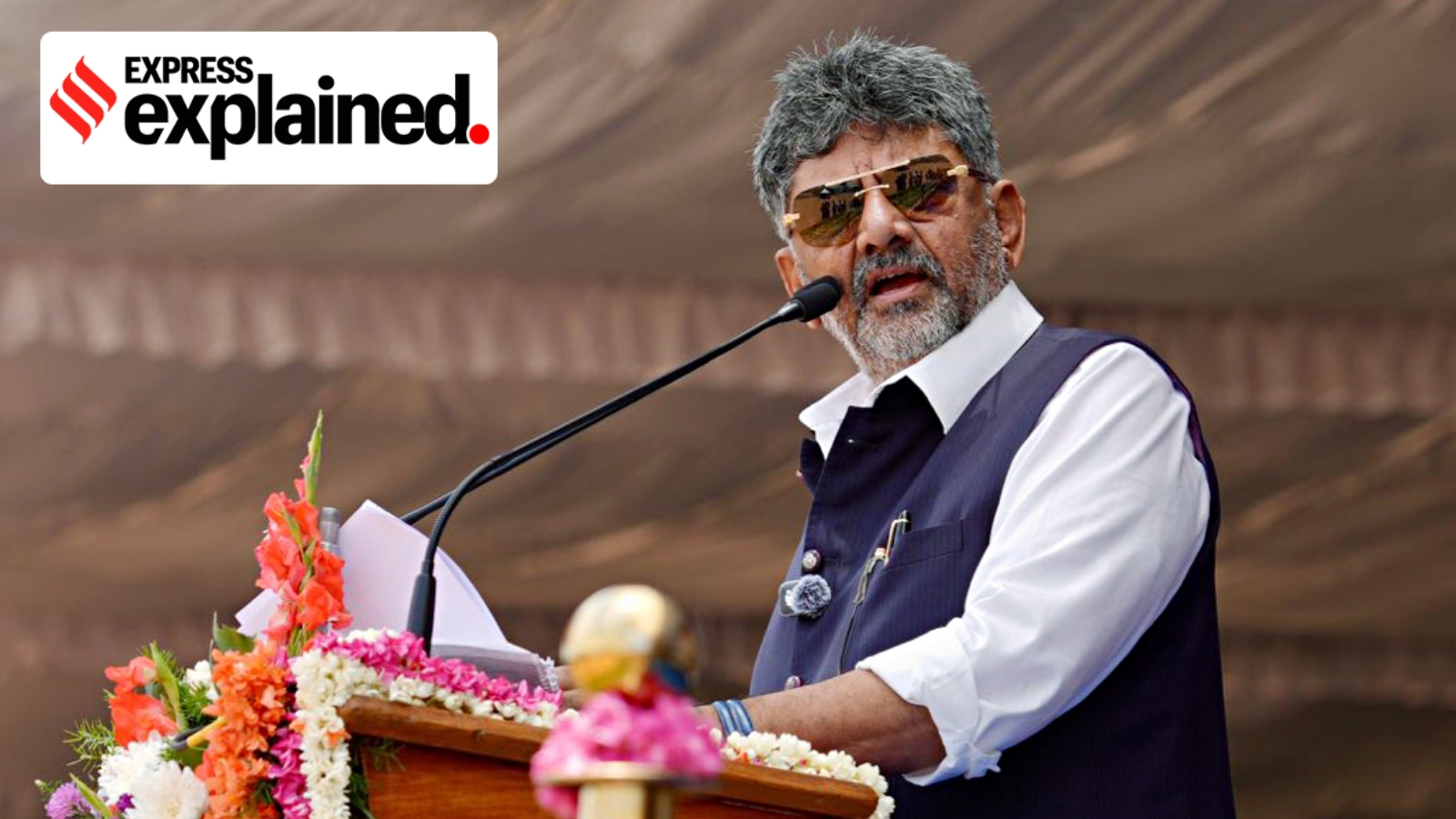
Two newly passed bills in Karnataka have ignited a massive debate over the protection of Bengaluru's iconic parks and the controversial ₹40,000 crore tunnel road project.
- The Karnataka government passed two bills regarding park preservation and urban mobility without parliamentary debate.
- The new laws allow up to 5% of protected park land to be diverted for public utility projects.
- Critics allege the laws are designed to facilitate CM D K Shivakumar's ₹40,000 crore tunnel road project.
- The proposed tunnel is slated to pass beneath the historic Lalbagh Botanical Garden.
The legislative landscape in Karnataka has been thrown into turmoil following the passage of two pivotal bills during a brief monsoon session. The The Karnataka Government Parks (Preservation) (Amendment) Bill, 2026 and The Bengaluru Metropolitan Land Transport Authority (Amendment) Bill, 2026 were passed amid intense protests from the opposition, sparking a debate that touches the very heart of Bengaluru's ecological identity.
While the government maintains that these amendments are essential for urban mobility and public utility, political opponents and environmentalists see a different motive. The primary allegation is that these laws serve as a legal backdoor to facilitate the construction of a massive 16.75-km tunnel road—a high-profile project championed by Chief Minister D K Shivakumar.
The Erosion of Park Protections
The amendment to the 1975 Parks Preservation Act is particularly contentious. It grants the state government the power to alienate up to 5% of protected park land for sale, lease, or public utility projects. For a city like Bengaluru, which is struggling to maintain its green canopy, this shift is viewed by many as a move toward the commercialization of public spaces.
The controversy is heightened by the fact that the proposed tunnel road is expected to pass under the 240-acre Lalbagh Botanical Garden. While CM Shivakumar has assured the public that the garden itself will not be affected and that only minor, temporary land usage might be required for machinery, critics remain unconvinced.
Why This Matters
BozokMedia analysis shows that this legislative maneuver represents a critical tipping point in urban planning. The decision to bypass standard debates to pass these bills suggests an urgent push to clear legal hurdles for massive infrastructure spending, potentially at the cost of long-term environmental sustainability.
Bypassing democratic debate to fast-track infrastructure projects sets a dangerous precedent for urban governance and environmental law.
| Feature | Original 1975 Act | 2026 Amendment |
|---|---|---|
| Land Allocation | Strictly protected for greenery | Up to 5% allowed for public utility |
| Primary Focus | Environmental Preservation | Urban Infrastructure & Mobility |
| Decision Authority | Rigid conservation rules | High-Level Committee recommendations |
Frequently Asked Questions
1. What is the total cost of the Bengaluru tunnel road project?
The project is estimated to cost approximately ₹40,000 crore and is expected to significantly impact urban transit.
2. Who is opposing the new laws?
The BJP, led by figures like R Ashoka and Tejasvi Surya, along with various environmental activists, are leading the opposition against these amendments.
