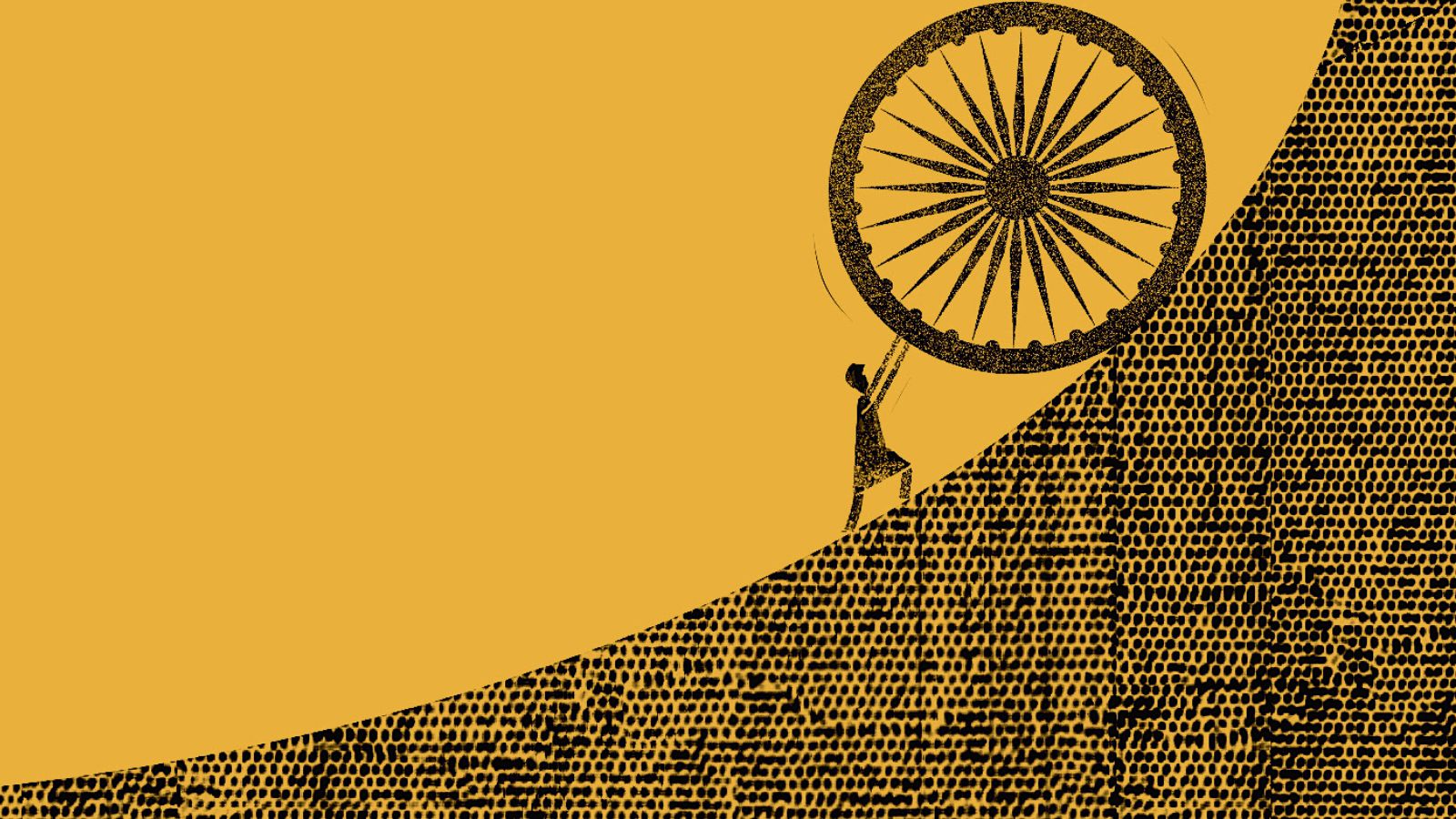
The Saptadhara concept introduces a strategic framework to convert India's vast cultural heritage into economic strength and global influence. By linking tradition with technology, India aims to create millions of jobs in the creative economy.
- 'Saptadhara' identifies soft power as one of the seven essential streams for achieving a 'Viksit Bharat'.
- The vision aims to bridge the gap between cultural appreciation and economic livelihood for artisans.
- A national mission could potentially create 1 crore new jobs in tourism, arts, and the creative sectors.
Prime Minister Narendra Modi introduced the concept of Saptadhara from the Red Fort on August 15. This visionary framework consists of seven streams of national strength designed to propel India toward its goal of becoming a 'Viksit Bharat' (Developed India). A pivotal component of this vision is the enhancement of India's Soft Power—the ability to influence through admiration and cultural appeal rather than coercion.
India possesses an unparalleled wealth of soft power. From the global reach of Yoga and Ayurveda to the spiritual allure of its sacred centers, the nation's influence is profound. Our diverse festivals, classical music, dance, cinema, and world-renowned cuisine act as natural ambassadors. Furthermore, India’s prowess in space technology, digital public infrastructure, and its vibrant global diaspora further cement its standing on the world stage.
Why This Matters
BozokMedia analysis shows that while India has immense cultural assets, it currently lacks a coherent systemic framework to convert this wealth into sustainable economic value. Having cultural richness does not automatically translate into global diplomatic influence or dignified livelihoods for the creators of that culture. The Saptadhara vision is the strategic bridge needed to turn 'appreciation' into 'economic empowerment.'
Soft power must evolve from mere preservation to active economic participation in the global marketplace.
To realize this, the strategy suggests that every district should develop a dedicated 'soft power and creative economy plan.' This involves identifying local artisans, writers, and performers and connecting them to modern necessities: technology, finance, intellectual property protection, and international markets. The traditional Guru-Shishya system should be modernized to ensure that ancient knowledge is passed down through a framework that supports contemporary livelihoods.
The economic implications are staggering. By investing in sectors like tourism, fashion, media, and education, India can drive massive employment. A national mission could target the creation of 1 crore new jobs within the creative economy. Rather than relying on government grants, cultural workers should be empowered to become entrepreneurs. The government's role should shift from a mere benefactor to a market enabler and a primary consumer of cultural goods.
Historical Background
Historically, India has always been a 'soft power superpower.' Through ancient trade routes, Indian philosophy, mathematics, and spirituality traveled to Southeast Asia, the Middle East, and Europe. Saptadhara seeks to digitize and formalize this historical legacy, ensuring that the stories of India are told by Indians using 21st-century tools.
Frequently Asked Questions
1. What is the core objective of Saptadhara?
The core objective is to utilize seven key streams of national strength, including soft power, to achieve the goal of a developed India by 2047.
2. How will Saptadhara benefit the youth?
It aims to transform cultural heritage into a viable career path, allowing young Indians to combine tradition with technology to create global content and businesses.