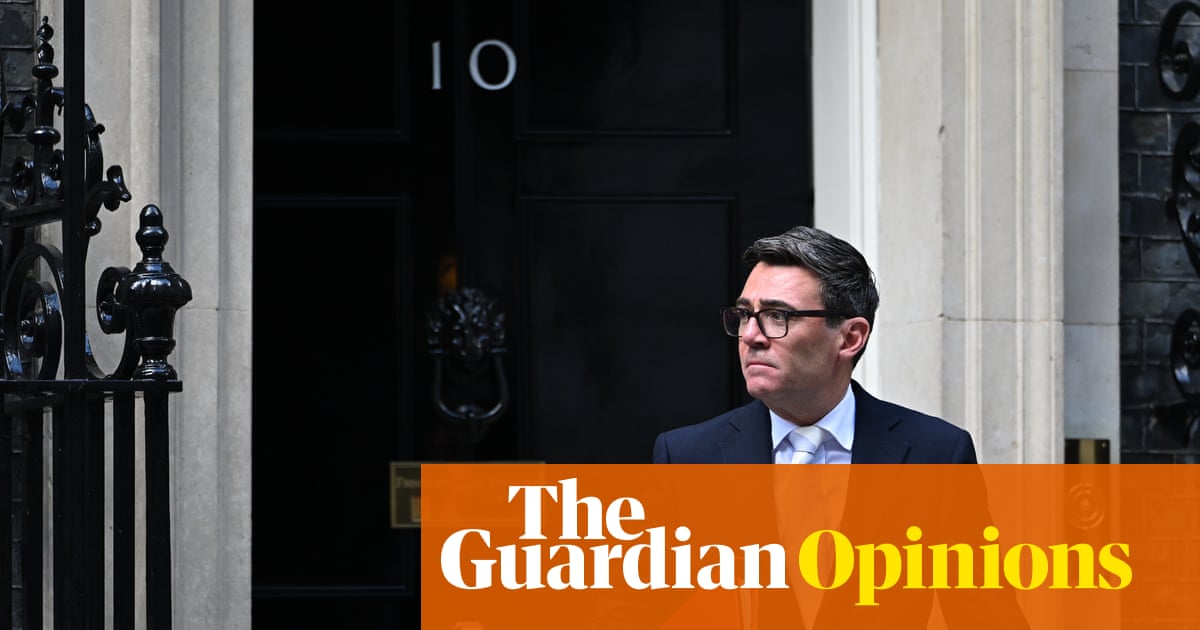
Prime Minister Andy Burnham attempts to breathe fresh air into British politics, but faces the daunting reality of fiscal constraints and entrenched political traditions.
In the hallowed, tradition-heavy halls of Parliament, originality often goes to die. Andy Burnham, returning to the center stage after a decade away from Westminster, aims to disrupt this cycle. Having built a reputation as the energetic Mayor of Greater Manchester, Burnham enters Downing Street with a mission to 'open the windows' of British politics and introduce a healthier, more devolved political culture.
Burnham’s political identity is built on being an antidote to the perceived 'mechanoid' style of his predecessor, Keir Starmer. Through social media and an open, conversational style, he seeks to rebalance England's center of gravity. However, the transition from a populist campaigner to a head of government is proving to be a steep learning curve.
Why This Matters
BozokMedia analysis shows that the tension between Burnham’s empathic, populist style and the rigid fiscal realities of the UK Treasury could define his premiership. The ability to move from 'symbolic' policies—like capping bus fares—to 'structural' economic reforms will determine if he is a true reformer or merely a transitional figure.
The true test for any leader is not how they campaign on the road, but how they navigate the zero-sum competition for scarce resources in the Cabinet.
The constraints are immense. Burnham is operating within a budget squeezed by a sluggish economy and a global climate of turbulence. Furthermore, the Labour Party's own manifesto restrictions on tax rises limit his ability to fund ambitious new social programs, leaving him in a precarious position between voter expectations and market vigilance.
Critics have already pointed to potential pitfalls in Burnham's leadership style. His tendency toward 'empathic urgency' has led to commitments that are difficult to sustain, such as the recent entanglement over compensation for 'Waspi women' and debates surrounding political donation caps. These instances highlight the friction between spontaneous political promises and the cold reality of legislative implementation.
Moreover, global tensions, such as the conflict in Ukraine, demand significant defense spending. This creates a direct conflict with the need for domestic economic stability, a dilemma that continues to haunt the Treasury and the Prime Minister's office alike.
Frequently Asked Questions
1. What is the main goal of Andy Burnham's premiership?
His primary goal is to revitalize British politics through devolution and a more communicative, less traditional leadership style.
2. Why is the UK economy a challenge for his plans?
Low growth, high debt, and global instability limit the government's ability to spend on new initiatives without risking market backlash.


