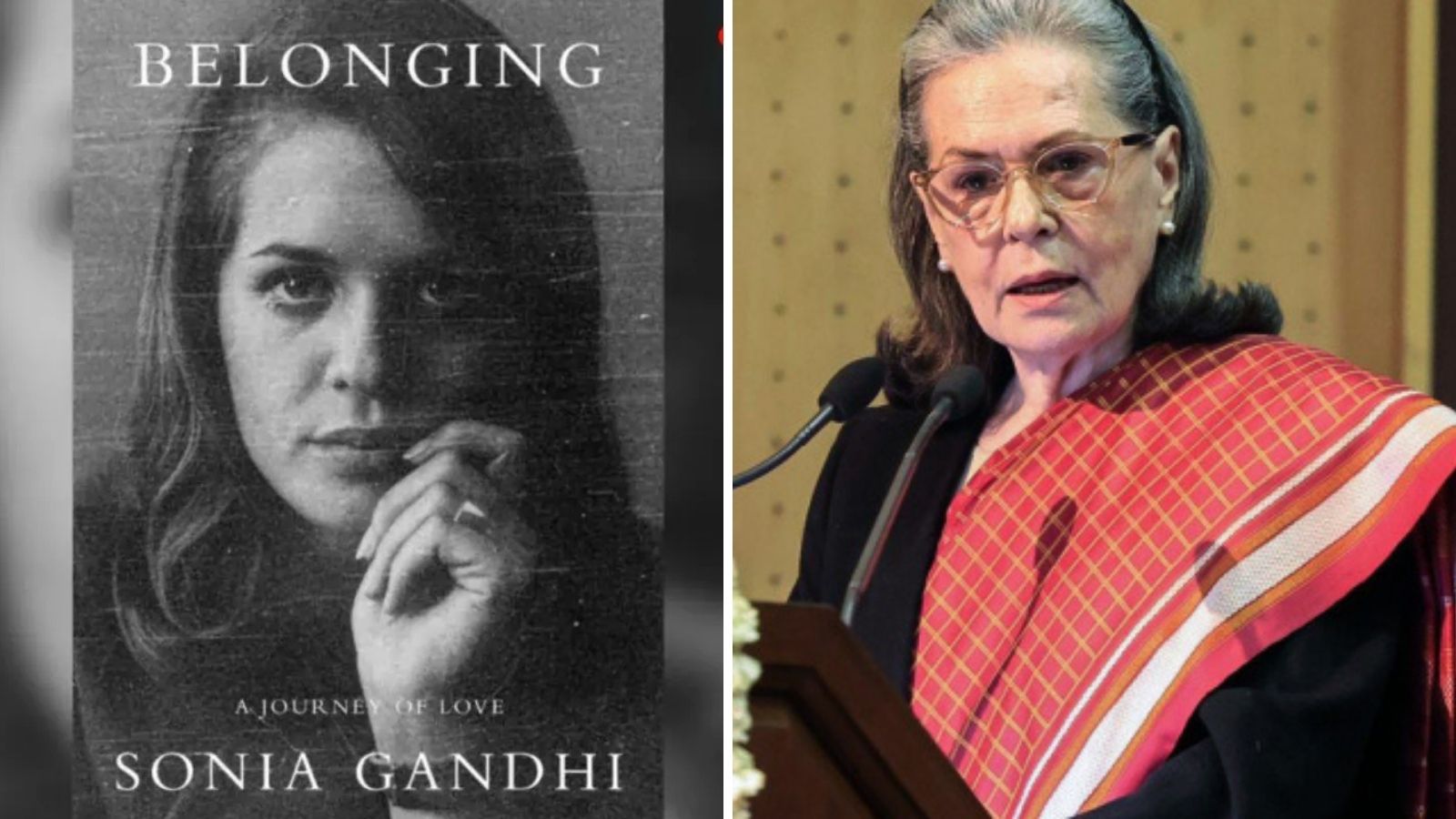
A publishing deal between Sonia Gandhi and Penguin Random House India has collapsed after lawyers flagged sensitive content regarding PM Modi, the RSS, and China. The author's team rejected the edits to avoid creating a censored Indian version of the global edition.
- Penguin Random House India (PRHI) requested deletions in several chapters of Sonia Gandhi's book 'Belonging'.
- Sensitive topics included PM Narendra Modi's 12-year tenure, the RSS, communal riots, and the Galwan clash with China.
- The deal collapsed over disagreements regarding 'over-sensitive' legal edits that would have created two different versions of the book.
The highly anticipated memoir of Sonia Gandhi, titled 'Belonging', has become the center of a publishing storm. Reports indicate that lawyers representing Penguin Random House India (PRHI) spent over two months in a "back-and-forth" process, requesting significant changes and deletions across several chapters before the deal eventually fell through.
According to sources, the legal team at PRHI flagged specific passages that they deemed problematic. These included critical references to Prime Minister Narendra Modi and his decade-plus governance, the ideological role of the RSS, and detailed accounts of communal divides and the plight of minorities in India. Furthermore, mentions of contemporary geopolitical tensions, specifically the Indo-China standoff in the Galwan Valley, were among the contested sections.
Why This Matters
BozokMedia analysis shows that this clash is not merely a contractual dispute but a reflection of the tightening space for critical political narratives in the Indian publishing industry. When a global publisher like Alfred A Knopf (a division of Penguin Random House) prepares a worldwide release, any divergence in the Indian edition creates a "censorship gap." This would allow readers to compare the global text with the Indian one, potentially sparking a larger controversy regarding suppressed truths.
The tension between legal risk aversion and journalistic integrity often reaches a breaking point when dealing with high-profile political memoirs in polarized climates.
The author's side, supported by a close family friend and aide to the late Rajiv Gandhi, reportedly pushed back against these suggestions. They argued that the PRHI lawyers were being "over-sensitive" and that the proposed cuts would lead to an awkward situation where the Indian edition would appear censored compared to the international version.
In an official statement, PRHI denied any external pressure, claiming they were "really keen" on the acquisition. They stated that while some points were resolved, an impasse was reached on a particular issue, leading the author's team to terminate the agreement. Meanwhile, reports suggest that HarperCollins is now in advanced talks to take over the publishing and distribution rights within India.
Frequently Asked Questions
Q1: Why did Sonia Gandhi part ways with Penguin India?
The split occurred because the publisher's lawyers requested deletions of sensitive political content, which the author's team viewed as over-sensitivity and potential censorship.
Q2: Which publisher is likely to publish the book in India now?
HarperCollins is reported to be close to finalizing an agreement to publish and distribute the memoir in the Indian market.