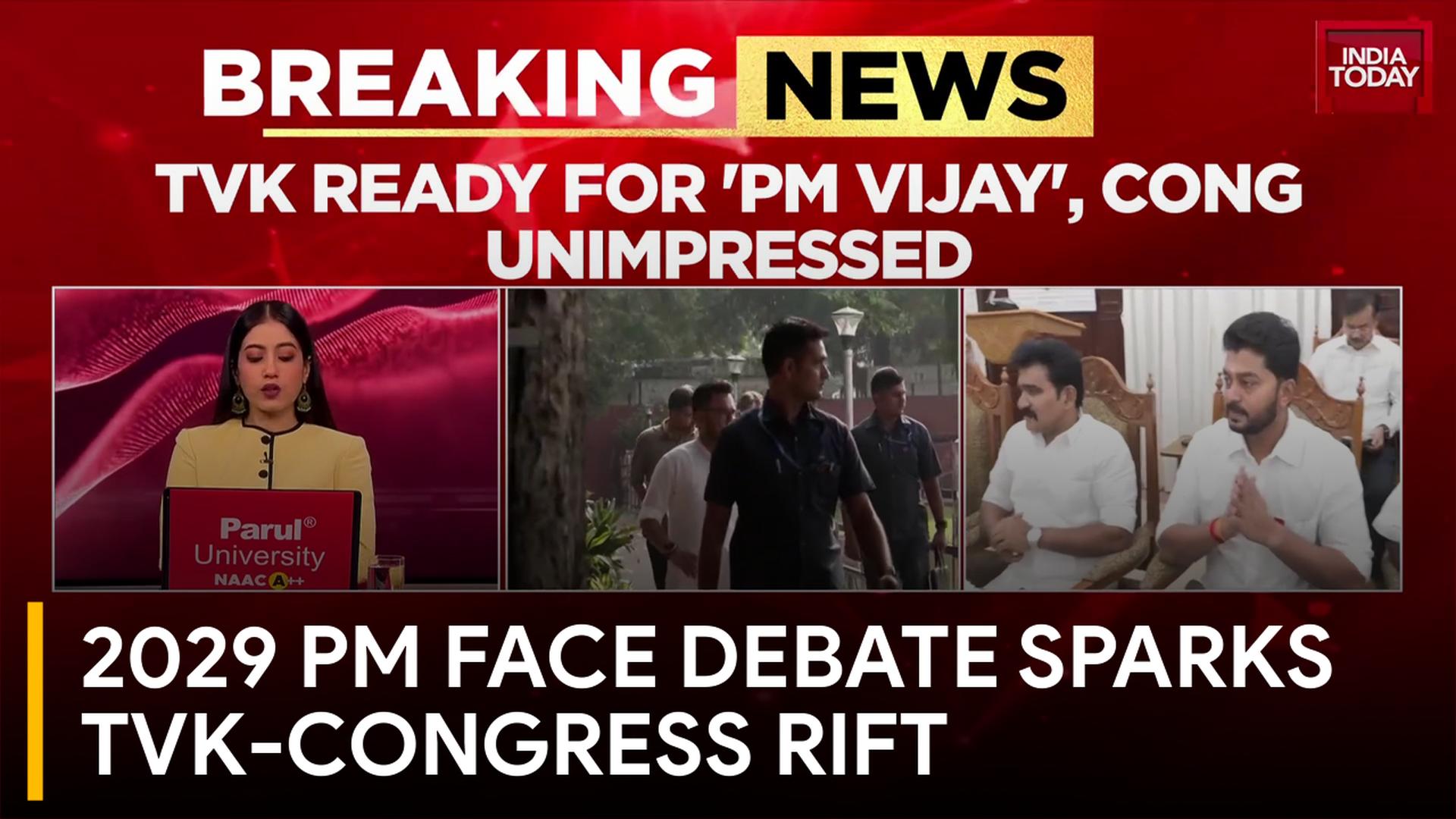
A significant political rift has emerged within the alliance regarding the projected Prime Ministerial candidate for 2029. Tensions rise as allies reject alternative leadership proposals.
- Internal conflict erupts over the projected PM candidate for the 2029 elections.
- Key allies have rejected proposals for alternative national leadership.
- Allied ministers threaten cabinet resignations if leadership is not supported.
A profound political fissure has emerged within the alliance, centered on the projected candidate for the Prime Minister's post in 2029. While several high-ranking leaders and ministers have floated the idea of an alternative leader to spearhead the national role, their primary ally has vehemently rejected this stance, reinforcing that their party leader remains the sole face of the opposition.
The tension reached a boiling point when representatives from the allied party dismissed the leadership claims as mere "fan club behavior." They emphasized that the top leadership has not officially endorsed any move to change the face of the coalition, viewing such proposals as unauthorized attempts to disrupt the existing hierarchy.
Why This Matters
BozokMedia analysis shows that this internal friction could fundamentally alter the landscape of the upcoming general elections. A divided opposition often struggles to consolidate votes, and a leadership crisis at this stage could signal a lack of cohesion that the ruling party might exploit.
The rejection of alternative leadership proposals indicates a rigid hierarchy that could either stabilize the alliance or lead to its eventual fragmentation.
Adding further gravity to the situation, allied ministers have issued a stern warning: they are prepared to resign from the cabinet if their leader is not formally backed for the top post. This ultimatum places the entire alliance in a precarious position, balancing between internal unity and political survival.
Historical Background
Historically, Indian political alliances have often faced existential threats due to disagreements over the Prime Ministerial candidacy. From the era of coalition governments in the 1990s to the modern multi-party contests, the struggle between regional aspirations and national leadership has been a recurring theme in Indian democracy.
Frequently Asked Questions
Question 1: What triggered the current rift?
Answer: The rift was triggered by proposals from certain leaders to introduce an alternative face for the Prime Ministerial role in 2029.
Question 2: What are the consequences of the ministers' threat?
Answer: If the ministers resign, it could lead to a collapse of the current cabinet and a massive reshuffling of the political alliance.