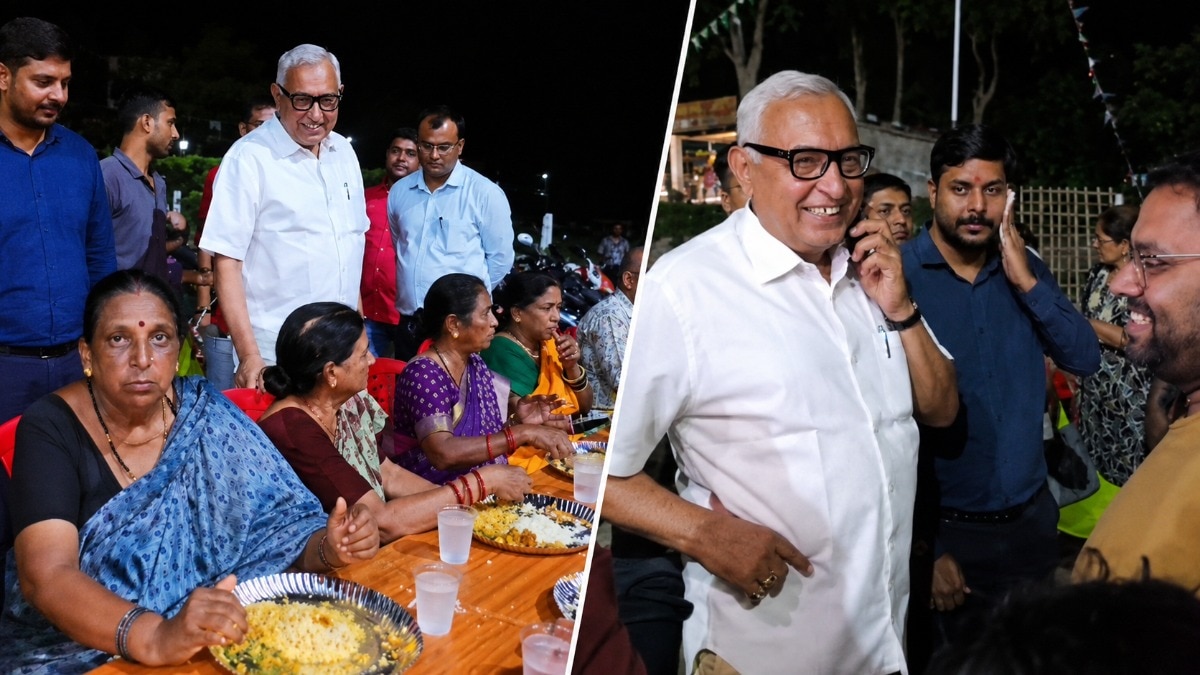
In a remarkable display of linguistic harmony, a Member of Parliament from Bihar spoke to Deputy CM Devendra Fadnavis in Marathi, facilitating smoother assistance for pilgrims during the Mahakumbh.
- Bihar MP used Marathi to communicate with Deputy CM Devendra Fadnavis.
- The gesture aimed to bridge linguistic gaps for Mahakumbh pilgrims.
- The move highlights the power of cultural empathy in public service.
In an era often defined by regional divides, a recent interaction has stood out as a beacon of cultural unity. A Member of Parliament from Bihar made headlines by communicating with Maharashtra Deputy Chief Minister Devendra Fadnavis in his native Marathi. This gesture was not merely a linguistic feat but a strategic move to aid pilgrims during the massive Mahakumbh gathering.
The Mahakumbh attracts millions of devotees from across the subcontinent. For many pilgrims coming from Maharashtra, language can often become a barrier to accessing essential services and information. By adopting the local tongue, the MP demonstrated that true leadership involves meeting people where they are—both geographically and linguistically.
Why This Matters
BozokMedia analysis shows that linguistic diplomacy plays a crucial role in maintaining social cohesion in a multi-ethnic democracy like India. When leaders transcend their regional linguistic boundaries to embrace the language of others, it fosters a sense of belonging and mutual respect among diverse populations.
Language is the ultimate bridge that turns a stranger into a brother, especially in the sacred context of a pilgrimage.
The interaction between the Bihar MP and Fadnavis serves as a template for how political figures can use cultural intelligence to manage large-scale public events. By speaking Marathi, the MP signaled to the Marathi-speaking community that their presence and needs are recognized and respected.
Historical Background
Historically, India has seen various instances where linguistic integration has prevented regional friction. From the integration of princely states to modern-day federal cooperation, the ability to communicate across linguistic lines has always been a cornerstone of Indian stability.
Frequently Asked Questions
Question 1: What was the primary goal of the MP's gesture?
Answer: The goal was to foster linguistic harmony and assist Marathi-speaking pilgrims at the Mahakumbh.
Question 2: How did the leadership react?
Answer: The gesture was widely appreciated as a sign of respect and cross-cultural solidarity.