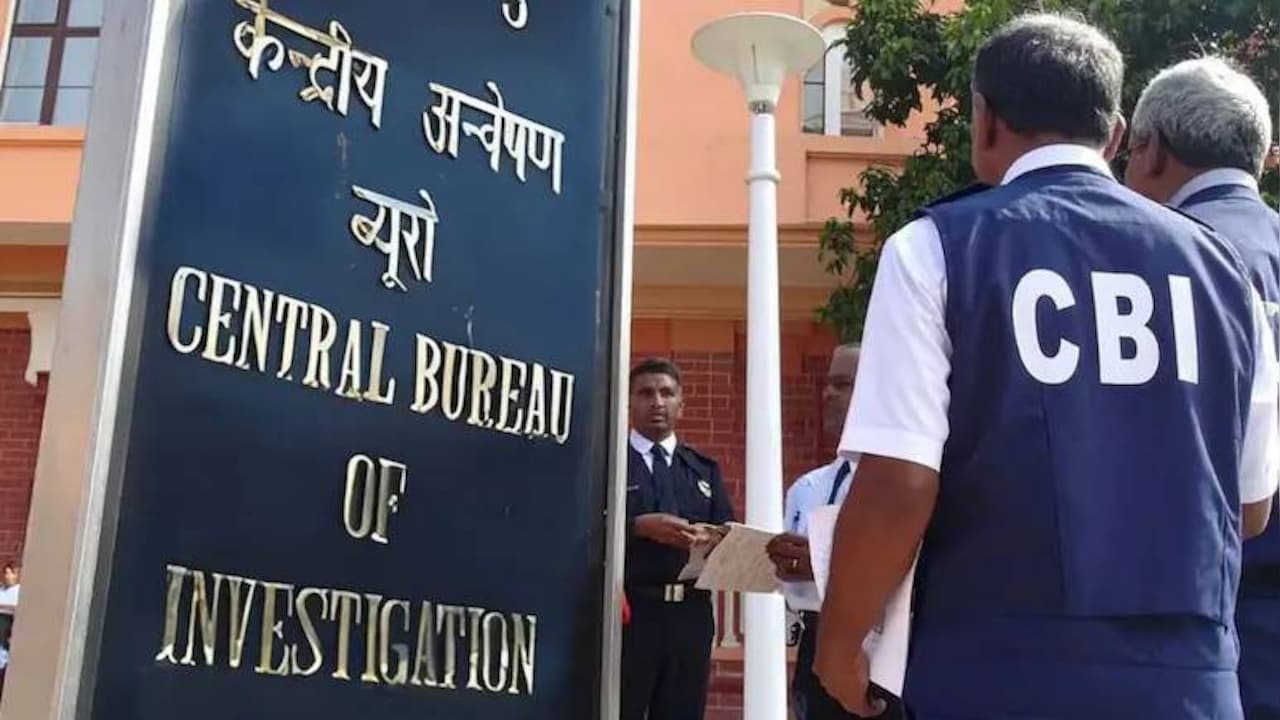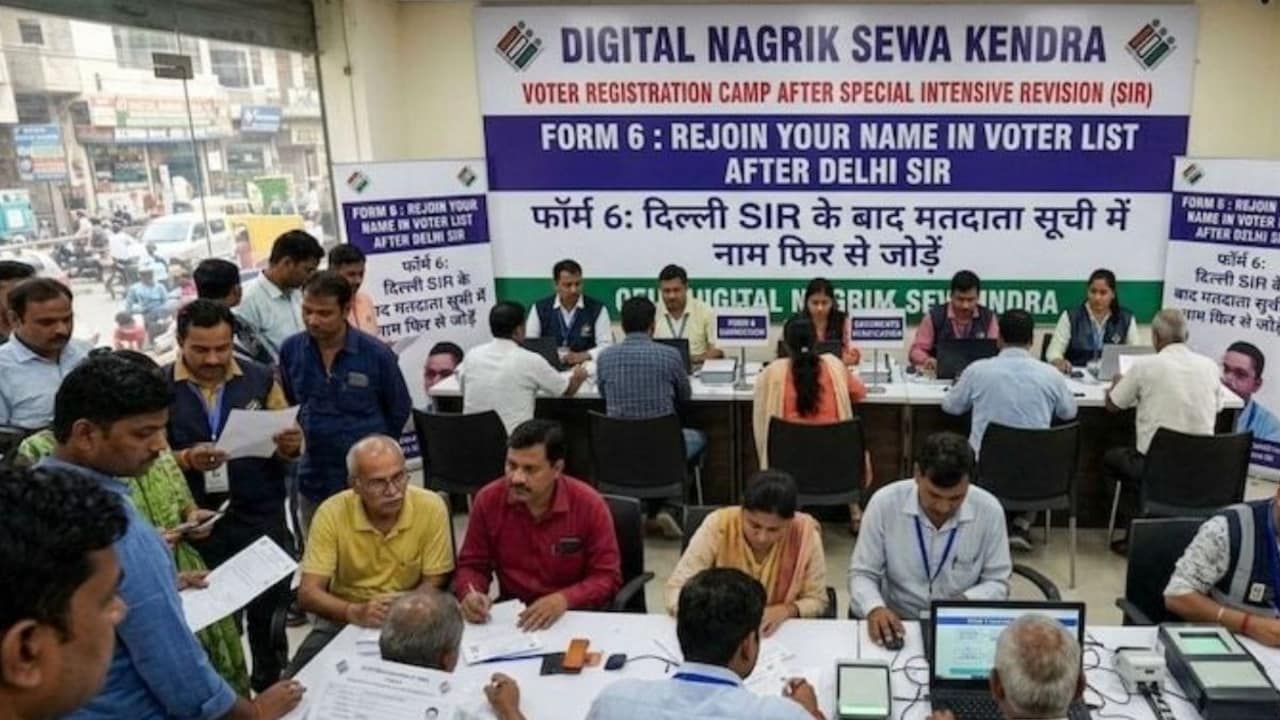
The Special Intensive Revision (SIR) in Delhi has seen over 500,000 claims and objections filed. The process, aimed at refining the electoral roll, will continue until September 30.
- Over 500,000 claims and objections have been submitted.
- The claims and objections window remains open until September 30.
- Enumeration forms were collected for over 9.7 million voters.
- A significant gap of 4.7 million voters remains unaddressed.
The electoral landscape in Delhi is undergoing a massive overhaul as the Special Intensive Revision (SIR) process reaches a critical juncture. Ahead of the official release of the draft electoral rolls, authorities have reported that more than 5 lakh claims and objections have already been filed by citizens seeking to rectify or update their registration details.
According to official administrative data, the revision process commenced with a total base of 1,45,10,299 electors in Delhi. The enumeration phase has shown mixed results: while 97,53,577 enumeration forms have been successfully collected, a substantial gap remains, with forms for 47,56,722 voters yet to be collected. This discrepancy highlights the logistical challenges faced by election officials in a sprawling metropolis.
The Current Status of Revision
The administration has emphasized that the window for filing claims and objections will remain active until September 30. This period is crucial for ensuring that the final electoral roll is inclusive, accurate, and free from duplicate or deceased entries.
Why This Matters
BozokMedia analysis shows that the high volume of claims indicates a significant level of civic engagement, but also points toward existing inaccuracies in the current database. The inability to collect forms for nearly 4.7 million voters poses a systemic risk to democratic representation if not resolved before the final roll is published.
The integrity of the electoral roll is the cornerstone of a functional democracy; any margin of error in voter data can lead to disenfranchisement.
Historically, urban voter registration in India has struggled with high migration rates and transient populations. Delhi, being a central hub of migration, faces unique difficulties in maintaining a real-time, accurate database of its massive electorate.
Frequently Asked Questions
1. When is the deadline for filing objections?
The deadline for all claims and objections regarding the voter list is September 30.
2. Why were forms not collected for 47 lakh voters?
Factors such as inaccessible areas, resident absence, or incomplete documentation often contribute to such gaps in enumeration.