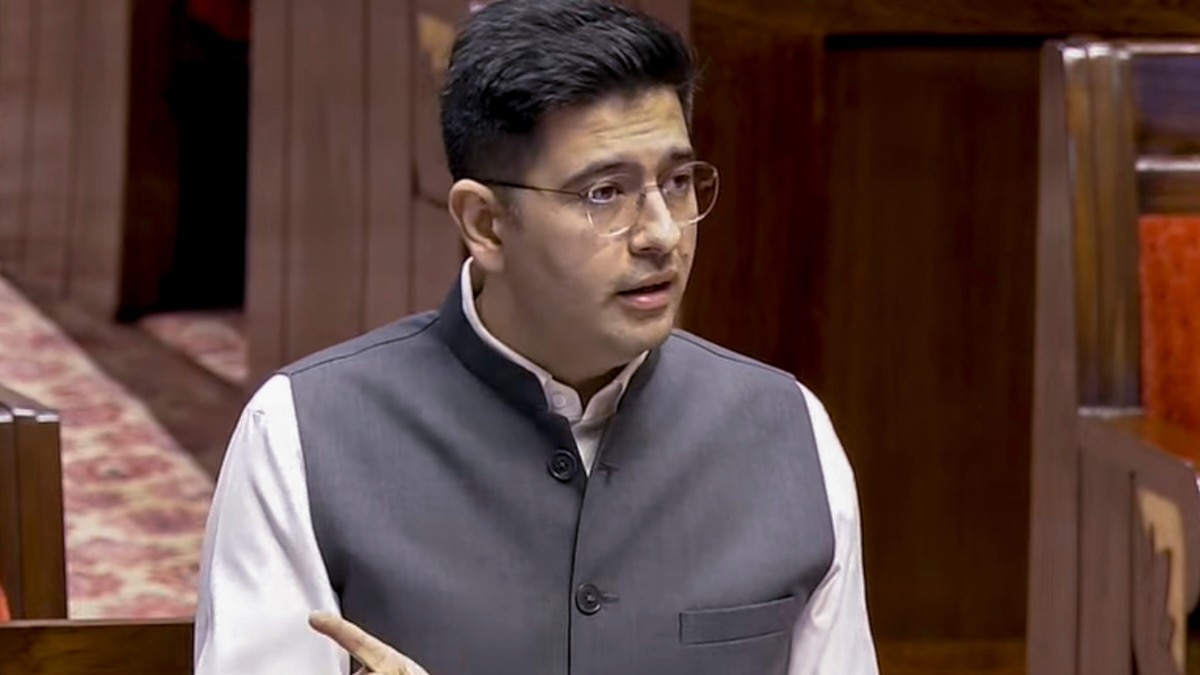
A deep ideological divide has emerged within the CPI(M) leadership in Kerala. While T.M. Thomas Isaac blames party arrogance, Pinarayi Vijayan points toward internal sabotage.
- Internal disagreements have surfaced within the CPI(M) regarding the LDF's election failure in Kerala.
- T.M. Thomas Isaac criticized the party's 'haughty' attitude and self-righteousness.
- Pinarayi Vijayan attributed the loss to internal sabotage and betrayal.
- The party faces a critical organizational course correction in upcoming meetings.
The recent electoral setback faced by the Left Democratic Front (LDF) in the Kerala Assembly elections has triggered a significant internal debate within the Communist Party of India (Marxist) [CPI(M)]. The cracks in the leadership have become visible as senior members offer conflicting explanations for the debacle.
The Clash of Narratives: Isaac vs. Vijayan
Dr. T.M. Thomas Isaac, a former Finance Minister and a prominent Central Committee member, has voiced a stark critique of the party's internal culture. Speaking in Alappuzha, Isaac suggested that the party’s perception of being 'always right' and its tendency to dismiss skeptics as 'apostates' proved to be self-defeating. He emphasized that the party must remain humble and receptive to public opinion to survive.
On the other hand, Leader of the Opposition and Polit Bureau member Pinarayi Vijayan has taken a different stance. In recent speeches, Vijayan blamed the loss on 'internal sabotage' and the vulnerability of party workers to propaganda. He essentially shifted the focus away from organizational failures toward betrayal within the ranks.
Why This Matters
BozokMedia analysis shows that this dispute is more than just a disagreement over election results; it is a fundamental struggle over accountability. If the leadership continues to blame 'traitors' instead of addressing the 'perception of high-handed governance' noted by the Central Committee, the party risks further alienation from the electorate. The upcoming State Committee meeting in Kozhikode will be a litmus test for the party's ability to unify.
The party's refusal to acknowledge its errors is creating a vacuum of accountability that opponents are quick to exploit.
Isaac further noted that a massive anti-communist campaign successfully manipulated voters into believing that the CPI(M) had entered into a pact with the Bharatiya Janata Party (BJP). He characterized the election result not as a rejection of the party, but as a 'rude awakening' that necessitates a massive rectification process.
Historical Background
Historically, the CPI(M) has relied on a disciplined, top-down organizational structure. However, the shifting political landscape in Kerala, characterized by rising competition and changing voter demographics, has challenged this traditional model, leading to the current internal friction regarding candidate selection and governance oversight.
Frequently Asked Questions
1. What is the main criticism leveled by T.M. Thomas Isaac?
Isaac criticized the party's arrogance and its failure to listen to skeptics and public sentiment.
2. How does Pinarayi Vijayan explain the LDF's failure?
Vijayan attributes the failure to internal betrayal, sabotage, and the effectiveness of anti-Left propaganda.