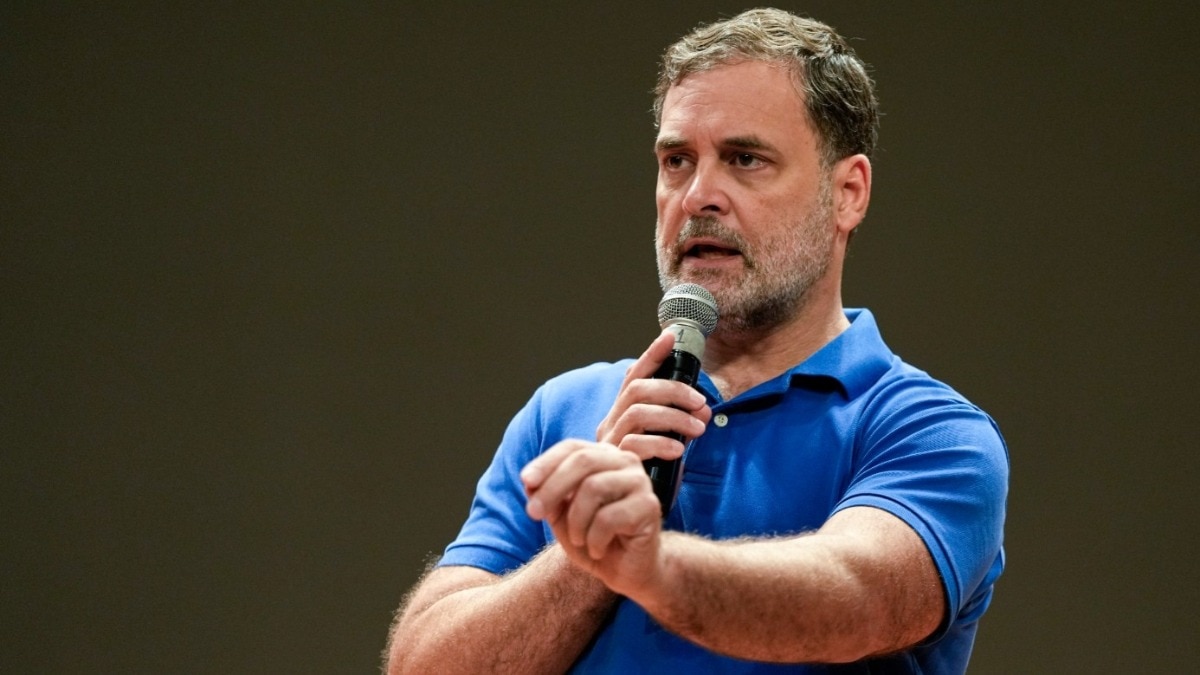
DMK President M.K. Stalin has announced that leaders affected by new age limits and organizational rules will be reassigned roles rather than being sidelined. This move is part of a strategic shift toward 'DMK 2.0'.
- Affected district and unit secretaries will receive new responsibilities based on their capabilities.
- New age limits: 70 years for district secretaries and 45 years for local units.
- The restructuring aims to create 110 new district units to strengthen the party's foundation.
In a significant move to streamline the Dravida Munnetra Kazhagam (DMK), President M.K. Stalin announced on Wednesday that the party will not abandon district secretaries and other unit leaders impacted by the newly implemented organizational guidelines. Stalin emphasized that those unable to contest upcoming organizational polls due to age or tenure restrictions will be integrated into other roles.
Addressing representatives appointed by the party high command, Stalin stated, "They will be given other responsibilities depending on their capabilities. The party president will take a decision on the issue." This reassurance aims to mitigate potential internal friction caused by the sweeping reforms led by the restructuring committee headed by former Minister Thangam Thennarasu.
Why This Matters
BozokMedia analysis shows that this internal overhaul is a proactive attempt to prevent political stagnation. By setting a maximum age of 70 for district secretaries and 45 for local units, the DMK is attempting to inject youthful energy into its grassroots machinery while ensuring that veteran leaders are not abruptly discarded, thereby maintaining organizational stability.
Political parties without ideology and an organizational structure could come and go like fireflies, but only the Sun is permanent.
The restructuring process involves creating 110 district units, with a mandate to establish one district unit for every two Assembly constituencies. Stalin has instructed his representatives to secure necessary approvals and submit comprehensive reports within a strict 15-day window to facilitate the upcoming membership drive.
Historical Background
As one of India's most influential regional parties, the DMK has played a pivotal role in shaping the socio-political landscape of Tamil Nadu. Historically, the party has relied on a robust grassroots network. The current transition toward 'DMK 2.0' suggests an acknowledgment that even established giants must evolve to survive the rapidly changing digital and political eras of the 21st century.
Frequently Asked Questions
1. What are the new age limits in the DMK organization?
The new guidelines set the age limit at 70 years for district secretaries and 45 years for local unit secretaries.
2. What is 'DMK 2.0'?
'DMK 2.0' refers to the party's strategic modernization and restructuring process aimed at strengthening its roots and preparing for future electoral challenges.