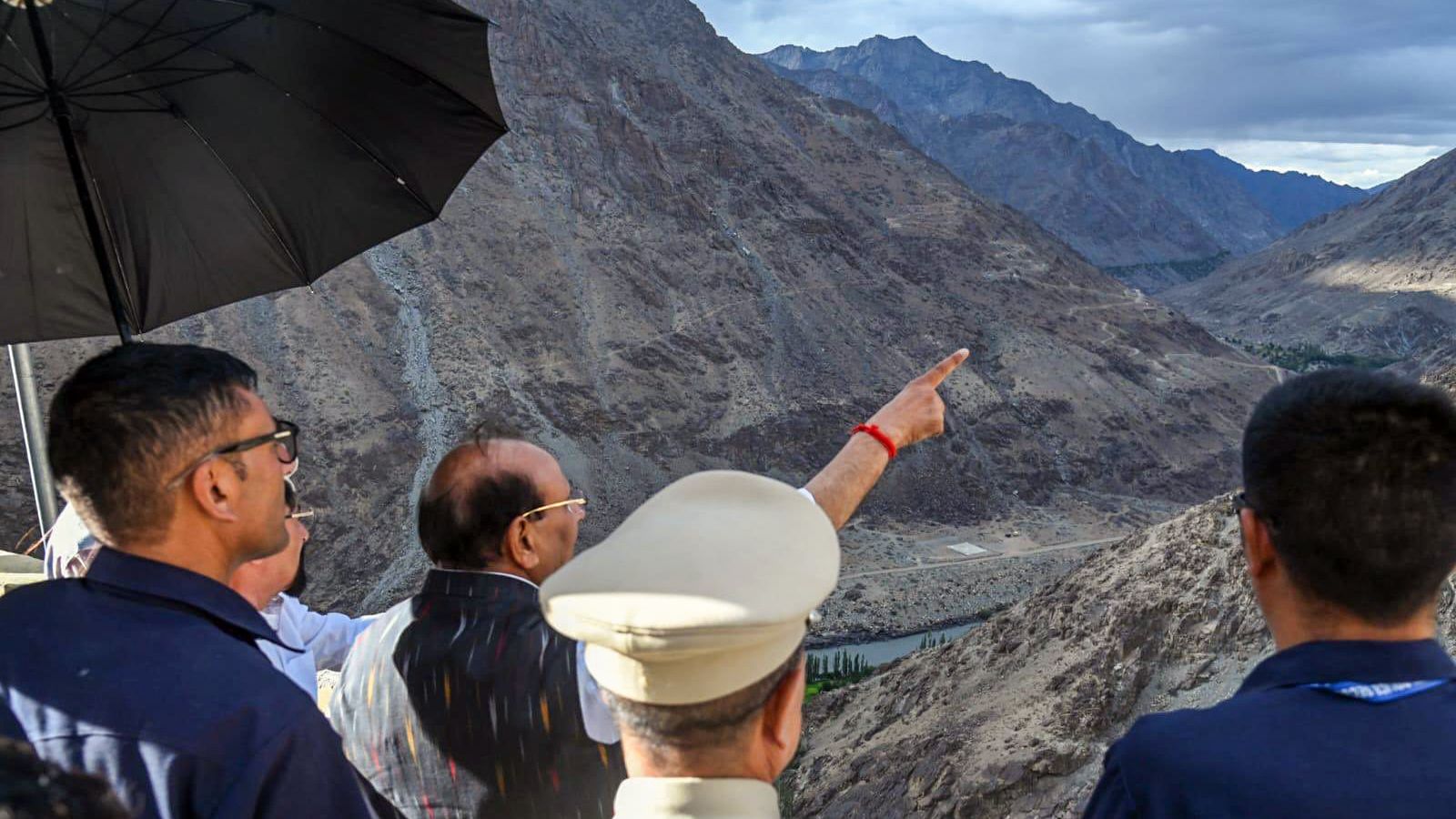
Ladakh’s seven districts – Leh, Kargil, Sham, Nubra, Changthang, Zanskar and Drass – will now each have an Autonomous Hill Development Council (LAHDC). The move aims to decentralise governance and give locals a stronger voice in development.
- LAHDCs established in all seven districts
- Enhanced citizen participation in local planning
- New formal dialogue channel with the central government
Lieutenant Governor Vinai Kumar Saxena announced on Thursday that autonomous hill development councils will be created for every district of Ladakh, marking a historic expansion of local self‑governance. The decision is framed as a step to "empower the people" and bring development closer to grassroots aspirations.
Previously, elected councils existed only in Leh and Kargil. The new framework now extends the model to Sham, Nubra, Changthang, Zanskar and Drass, ensuring that district‑level planning reflects local priorities more effectively.
Historical Background
The Ladakh Autonomous Hill Development Councils Act of 1995 introduced the first hill councils, granting them powers over land allocation, employment schemes, health, sanitation, and local transport. However, elections were held only in Kargil (2023) and Leh (2025), leaving the newly created districts without representation.
In April 2024, the Union Territory created five new districts, raising the total to seven. Indigenous groups such as the Leh Apex Body and the Kargil Democratic Alliance have been lobbying for greater democratic representation, a legislature, and Sixth Schedule protections for land and environment.
Why This Matters
BozokMedia analysis shows that extending autonomous councils to all districts strengthens grassroots democracy, reduces bureaucratic delays, and aligns Ladakh’s development with the Sixth Schedule aspirations of its indigenous communities.
"Autonomous councils will synchronize Ladakh’s socio‑economic growth with local needs, fostering inclusive and sustainable development," noted a senior policy analyst.
Each council will comprise 26 directly elected councillors who will choose a chief executive councillor from among themselves. Their jurisdiction includes land use, employment generation, public health, sanitation, local road transport, and other development functions.
Frequently Asked Questions
Q1: When will elections for the new councils be held?
A: Elections will be scheduled after a formal notification under Section 8 of the LAHDC Act is issued by the Revenue Department.
Q2: Will these councils replace existing district administrations?
A: No. The councils will work alongside district administrations, focusing on development planning and local governance.


