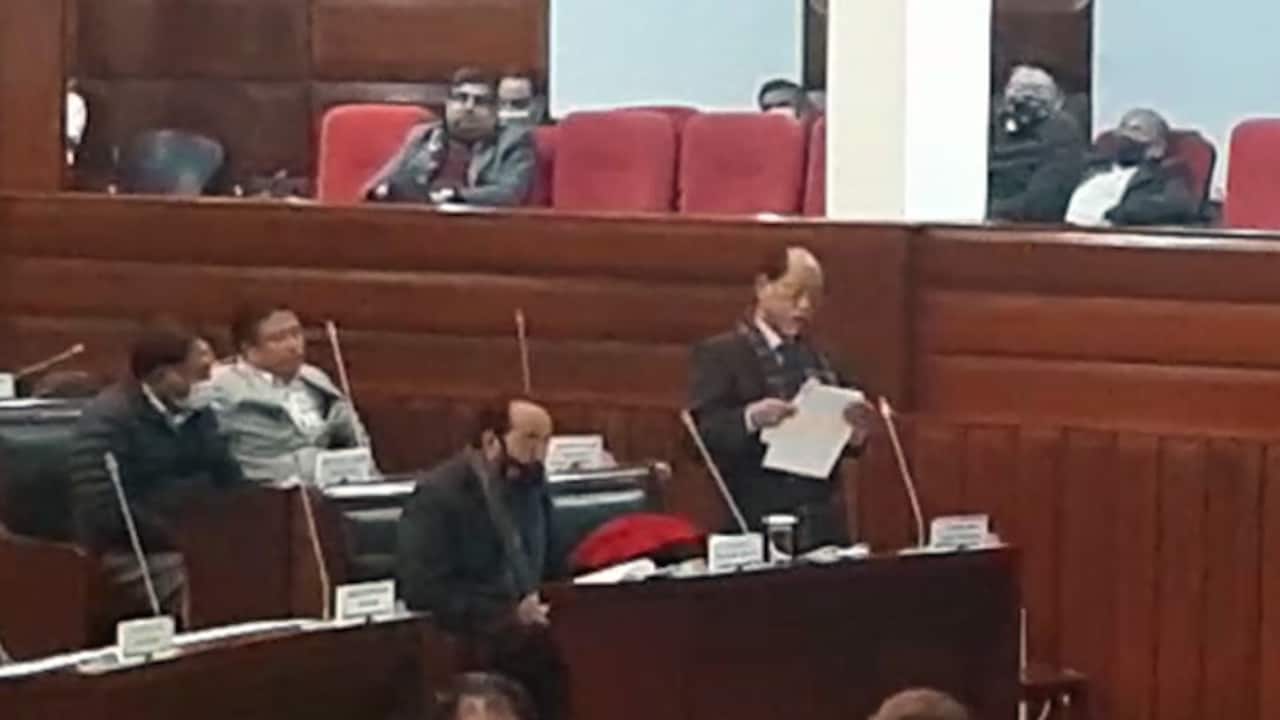
Following intense protests from student bodies, the Nagaland Legislative Assembly committee has adopted its report regarding the 'Vande Mataram' order, set to be tabled in the House.
- The committee has officially adopted its report on the 'Vande Mataram' order.
- Deliberations took place over three key sessions in March, May, and June.
- The report is expected to be laid before the House during the ongoing session.
The political landscape in Nagaland is bracing for significant developments as the legislative committee has concluded its investigation into the controversial 'Vande Mataram' order. This move comes amidst escalating tensions and organized protests by various student organizations across the state.
The committee conducted a series of intensive sittings to deliberate on the multifaceted aspects of the issue. Records show that meetings were held on March 18, May 18, and June 24. These sessions were aimed at addressing the concerns raised by Members of the House and the public regarding the implementation and implications of the order.
Historical Context and Conflict
The controversy stems from directives related to the recitation or implementation of 'Vande Mataram,' which has sparked a debate regarding cultural identity and regional autonomy. Student bodies in Nagaland have been vocal in their dissent, arguing that such mandates could infringe upon the unique socio-cultural fabric of the state.
Why This Matters
BozokMedia analysis shows that the outcome of this report will serve as a litmus test for the state government's ability to manage communal and regional sensitivities. The resolution of this matter is crucial to maintaining social stability and student cooperation within the educational framework.
The legislative response to this report will define the boundary between national integration efforts and regional cultural preservation in Nagaland.
The adopted report is now slated to be presented before the Legislative Assembly during its ongoing session. Lawmakers are expected to engage in a rigorous debate, as the report's findings will likely dictate whether the current order is upheld, modified, or rescinded entirely.
Frequently Asked Questions
1. When were the committee meetings held?
Answer: The committee met on March 18, May 18, and June 24.
2. Who raised the issue in the House?
Answer: The matter was formally raised by various Members of the House.