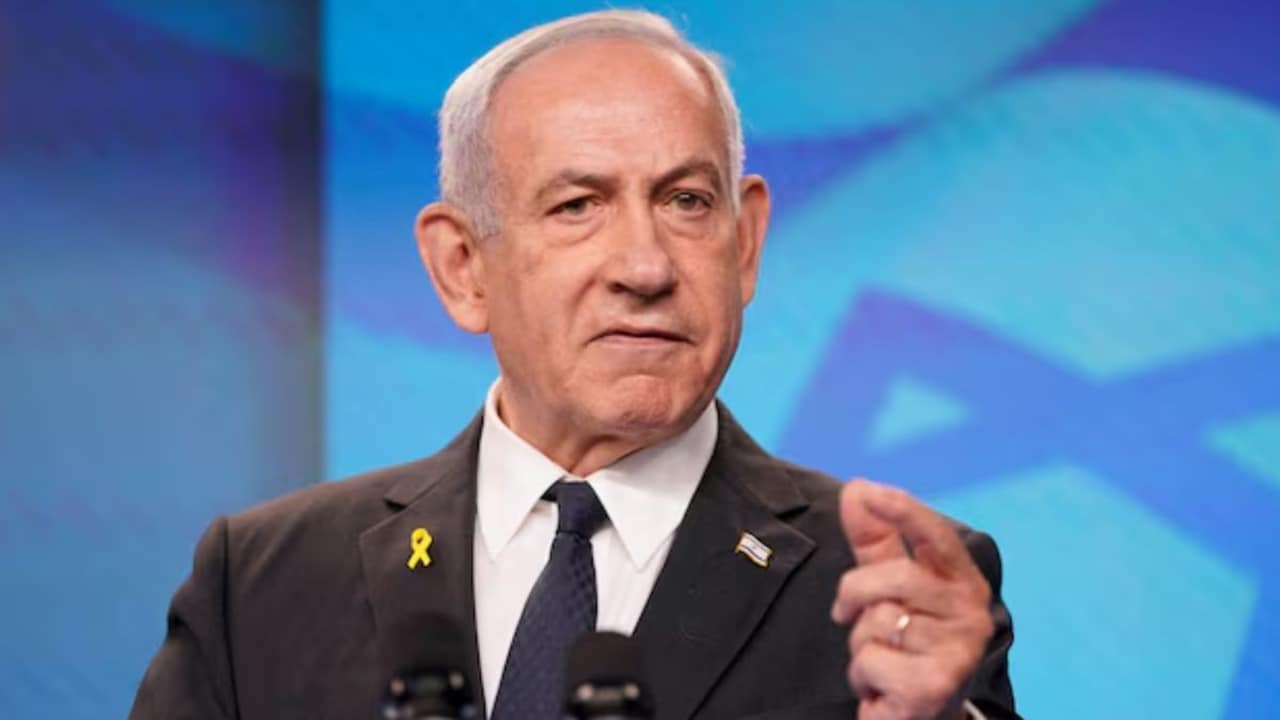
Israeli PM Benjamin Netanyahu has escalated his rhetoric against Tehran, asserting that the Iranian regime is at its weakest point in history. These remarks come as Israel prepares for general elections on October 27.
- PM Netanyahu asserts Iran's strength is at an all-time low.
- The Israeli leadership believes overthrowing the current regime is achievable.
- The statement is strategically timed ahead of Israel's October 27 elections.
In a powerful escalation of rhetoric, Israeli Prime Minister Benjamin Netanyahu has stated that the Iranian cleric-run state is currently 'weaker than ever.' Netanyahu further asserted that the prospect of overthrowing the existing regime in Tehran is now 'within reach,' signaling a significant shift in Israel's strategic posture toward its long-standing adversary.
This aggressive stance follows a period of intense military friction. In late February, Netanyahu, alongside the United States, launched a joint offensive against Iranian interests, marking a departure from years of covert operations to a more direct confrontational approach. For decades, Netanyahu has characterized the Iranian clerical government as an existential threat to the State of Israel.
Why This Matters
BozokMedia analysis shows that these comments are not merely military assessments but are deeply intertwined with Israel's domestic political landscape. With general elections scheduled for October 27, Netanyahu is reinforcing his image as a security-focused leader capable of decisive action against regional threats.
The shift from shadow warfare to open threats of regime change represents a fundamental escalation in Middle Eastern geopolitics.
The geopolitical implications of such a claim are massive. If Israel and its allies move from containment to active regime-change operations, the resulting instability could reshape the entire Middle East, impacting global energy markets and security alliances for decades to come.
Historical Background
The enmity between Israel and Iran has intensified significantly since the 1979 Islamic Revolution. Since then, the two nations have engaged in a multifaceted conflict involving proxy wars, cyberattacks, and maritime tensions, with Iran's nuclear ambitions serving as a primary flashpoint.
Frequently Asked Questions
1. When are the Israeli general elections? The elections are scheduled to take place on October 27.
2. Has Israel acted militarily against Iran recently? Yes, in late February, Israel and the US launched a joint attack targeting Iranian interests.


