A bureaucratic tug-of-war has emerged between the Ministry of Social Justice and the Registrar General's office regarding the documentation of the 2027 Caste Census meeting.
- Dispute between ORGI and MoSJE over the accuracy of meeting minutes regarding caste lists.
- Ministry officials labeled the initial draft as a 'trap' to shift data responsibility.
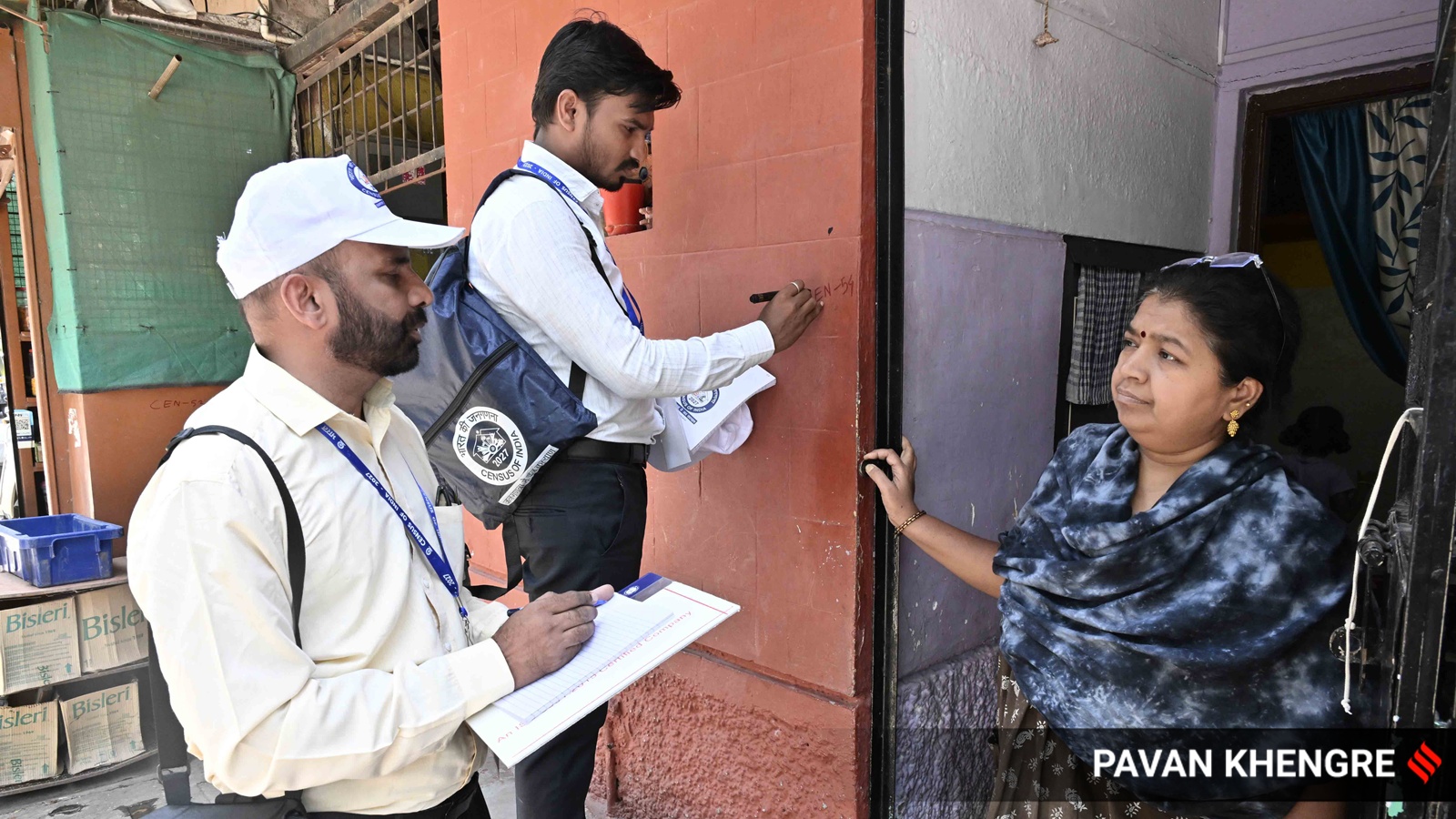
- The 2027 Census will use an 'open-ended' format instead of a drop-down menu.
The upcoming 2027 Census has escalated from a political battlefield to an internal bureaucratic struggle. Recent reports indicate that the Office of the Registrar General of India (ORGI) and the Ministry of Social Justice and Empowerment (MoSJE) were at odds over how a crucial meeting regarding caste enumeration was documented.
According to sources, during a meeting chaired by Registrar General Mrityunjay Kumar Narayan on June 1, Ministry officials offered to share the existing lists of Scheduled Castes (SC) and Other Backward Classes (OBC) maintained by the National Commission for Backward Classes (NCBC). However, the initial draft of the minutes prepared by the ORGI allegedly failed to reflect this offer accurately, instead implying that the Ministry had no mandate to maintain such lists.
Why This Matters
BozokMedia analysis shows that this friction highlights the high stakes involved in data ownership. If the government uses an 'open-ended' format—where citizens type their caste manually—the challenge of converting millions of unique responses into standardized data becomes monumental, potentially repeating the complexities of the 2011 exercise.
Accurate caste data is the bedrock of effective social justice policy; any ambiguity in its collection can derail welfare implementation.
Ministry officials expressed deep concern, viewing the original wording as a "trap" designed to shift the onus of providing pre-defined lists onto them. Following a formal pushback, the Ministry submitted an amended version, clarifying that they maintain a list of 1,258 Scheduled Castes and approximately 2,483 Other Backward Classes, which are available for the census exercise.
Historical Background
The tension stems from the lessons of the 2011 Socio-Economic Caste Census (SECC). That exercise saw a massive spike in recorded caste names—from 4,147 in 1931 to 46.7 lakh in 2011—making data standardization nearly impossible. The government's current preference for open-ended questions aims to avoid the state acting as an "arbiter" of caste identity, though it introduces new technical hurdles.
| Feature | 2011 SECC | 2027 Proposed Census |
|---|---|---|
| Question Format | Drop-down/Pre-defined | Open-ended Response |
| Primary Risk | Data Fragmentation | Standardization Difficulty |
Frequently Asked Questions
1. Why is the government avoiding a drop-down menu for castes?
To prevent the government from being perceived as the sole authority that defines or alters individual caste identities.
2. What was the main contention in the meeting minutes?
The Ministry felt the ORGI's initial notes falsely suggested the Ministry lacked the constitutional mandate to provide caste lists.