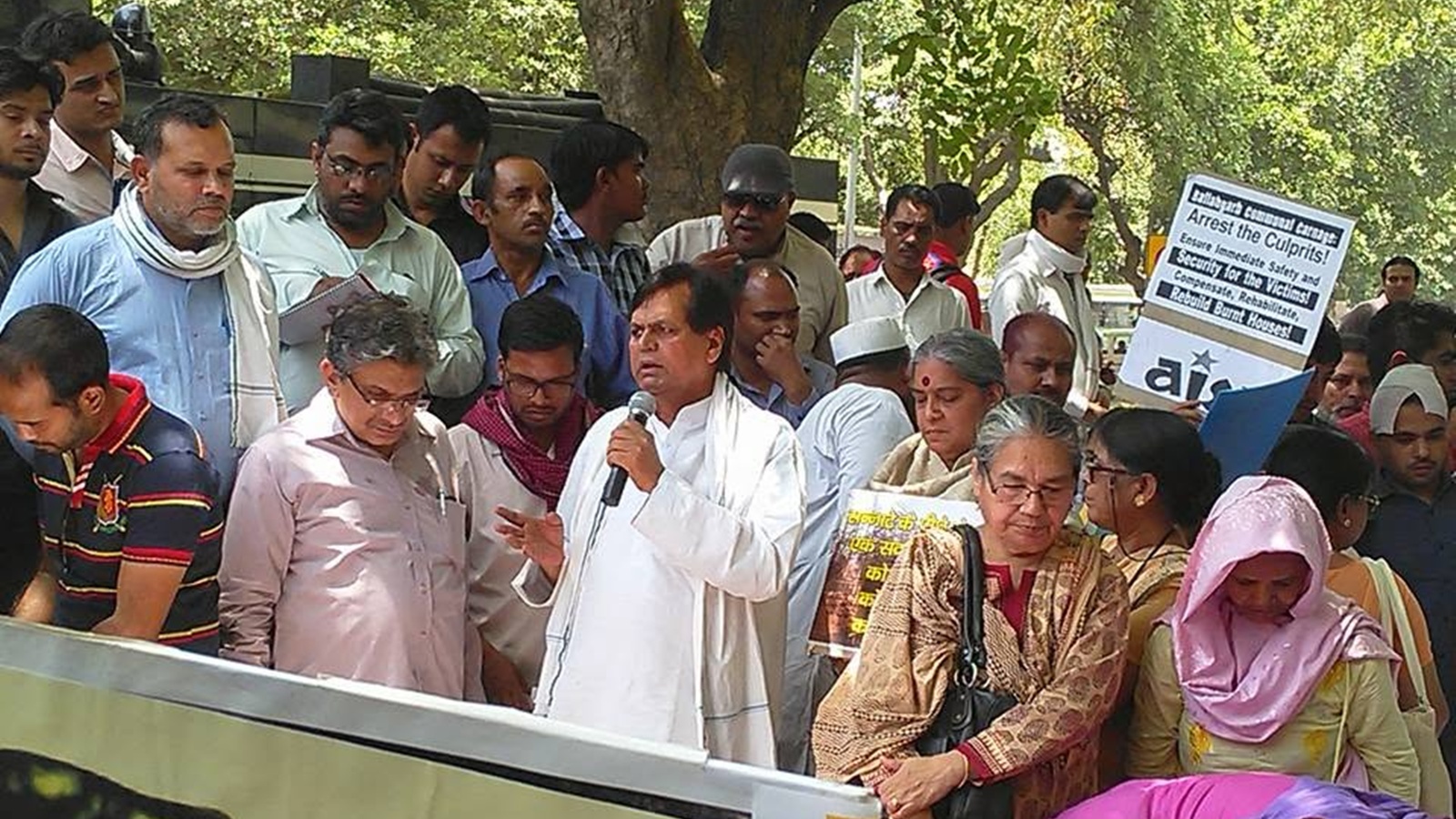
The All India Pasmanda Muslim Mahaz (AIPMM) has criticized the AIMPLB's upcoming 'Save Shariat' campaign, claiming it risks religious polarization ahead of crucial state elections.
The announcement of a nationwide campaign by the All India Muslim Personal Law Board (AIMPLB) to protect "the Constitution and Sharia" has met with significant pushback from within the Muslim community. The board's 'Save India, Save Shariat' drive, scheduled to begin on September 17, aims to protest against the implementation of the Uniform Civil Code (UCC) and selective law enforcement, such as house demolitions.
The Pasmanda Pushback
Ali Anwar Ansari, former MP and national president of the All India Pasmanda Muslim Mahaz (AIPMM), has labeled the move as "uncalled for." Ansari argues that the campaign is heavily driven by emotional and religious rhetoric, which could inadvertently benefit right-wing political forces by creating a sense of religious polarization ahead of the upcoming assembly elections in states like Uttar Pradesh.
Why This Matters
BozokMedia analysis shows that the internal friction between mainstream Muslim leadership and the Pasmanda movement highlights a growing demand for socio-economic representation over purely religious advocacy. The tension underscores a strategic divide in how minority rights should be defended in a modern democratic framework.
Initiating such a campaign under the current circumstances will ultimately benefit right-wing forces by shifting the focus from civil rights to religious identity.
Ansari pointed out that while the AIMPLB focuses on Sharia, more pressing constitutional threats exist, including issues related to delimitation, the selective removal of names from voter lists, and broader systemic challenges to democracy. He suggested that a campaign focused on common public concerns would have garnered wider, cross-religious support.
Historical Context: The Shah Bano Legacy
The criticism draws parallels to the 1980s Shah Bano case. During that period, pressure from religious leaders led the Rajiv Gandhi government to pass the Muslim Women (Protection of Rights on Divorce) Act in 1986. Ansari noted that the political fallout from such decisions continues to shape the country's socio-political landscape today.
Frequently Asked Questions
1. What is the goal of the AIMPLB campaign?
The campaign seeks to protect Muslim identity and religious freedoms against laws like the UCC.
2. Why are Pasmanda leaders concerned?
They fear that religious-centric campaigns will polarize voters and distract from essential civil and constitutional rights.