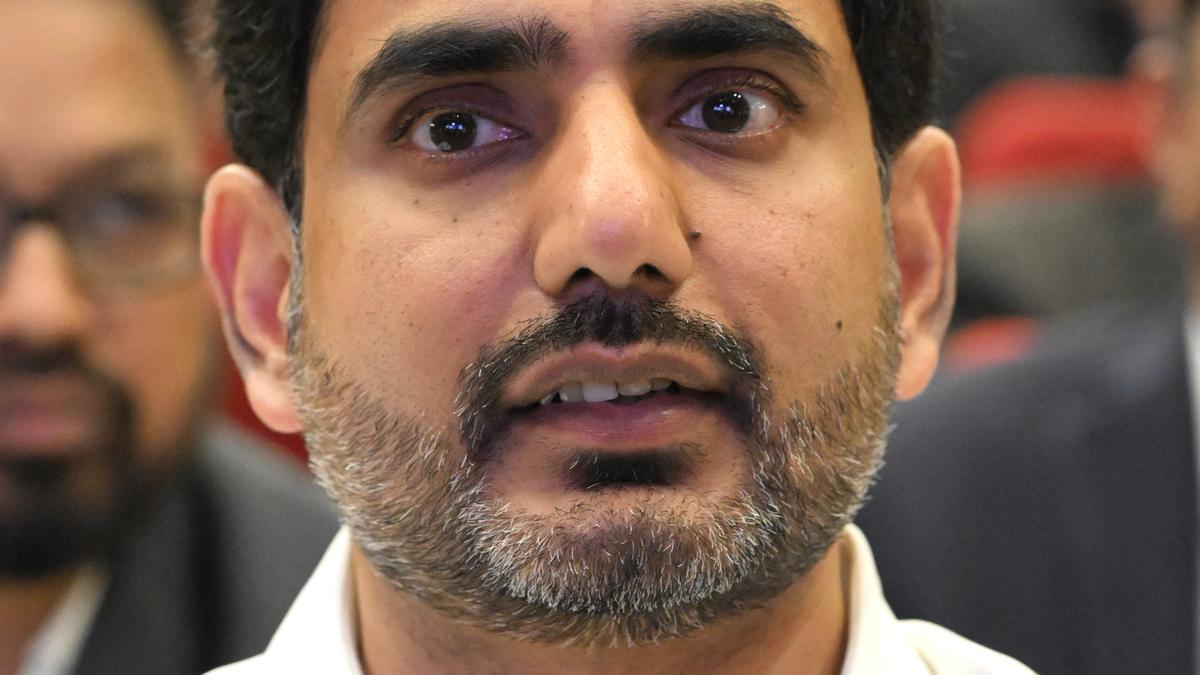
Manipur Deputy Chief Minister Losii Dikho has warned that ongoing Naga-Kuki violence in the hill districts could make next year's assembly elections difficult, heightening tensions within the BJP-led government.
- Naga-Kuki violence threatens electoral stability.
- Deputy CM issues a warning on potential election risks.
- Internal BJP tensions are intensifying.
Deputy Chief Minister Losii Dikho recently cautioned that the persistent Naga-Kuki conflict in Manipur’s hill districts could complicate the upcoming assembly elections. This warning marks a significant shift in the state’s political landscape, where electoral campaigning is already fraught with grassroots dissent and ethnic tensions.
Dikho argued that escalating violence not only poses a security threat but also undermines the transparency and fairness of the electoral process. He warned that if violence remains unchecked, voter turnout could decline and trust in the electoral system could erode.
The BJP-led state government, under pressure, must take swift action. Dikho urged the administration to bolster security forces while fostering dialogue and coordination to rebuild trust between the two communities.
Political analysts note that this situation could affect not just Manipur but the broader Northeast region, where similar ethnic conflicts have historically led to voter suppression and irregularities. Continued unrest could also create opportunities for regional parties to position themselves as champions of security and inclusive representation.
Why This Matters
BozokMedia analysis shows that the current security vacuum could trigger a cascade of electoral disruptions, not only in Manipur but across the Northeast, where similar ethnic tensions have historically led to voter suppression and irregularities.
“The intersection of ethnic conflict and electoral politics in Manipur is a delicate balance that, if tipped, could destabilize the entire region’s democratic process.”
Beyond security, political parties must rethink their campaign strategies. Incorporating the interests of both Naga and Kuki communities into election manifestos could become a vital step toward inclusivity.
Frequently Asked Questions
Q1: What is the root cause of Naga-Kuki violence?
A1: Primarily land, resource, and political representation disputes, coupled with historical grievances, fuel the conflict.
Q2: How is the government addressing this crisis?
A2: The government has reinforced security forces and formed a special task force to facilitate dialogue between the communities.