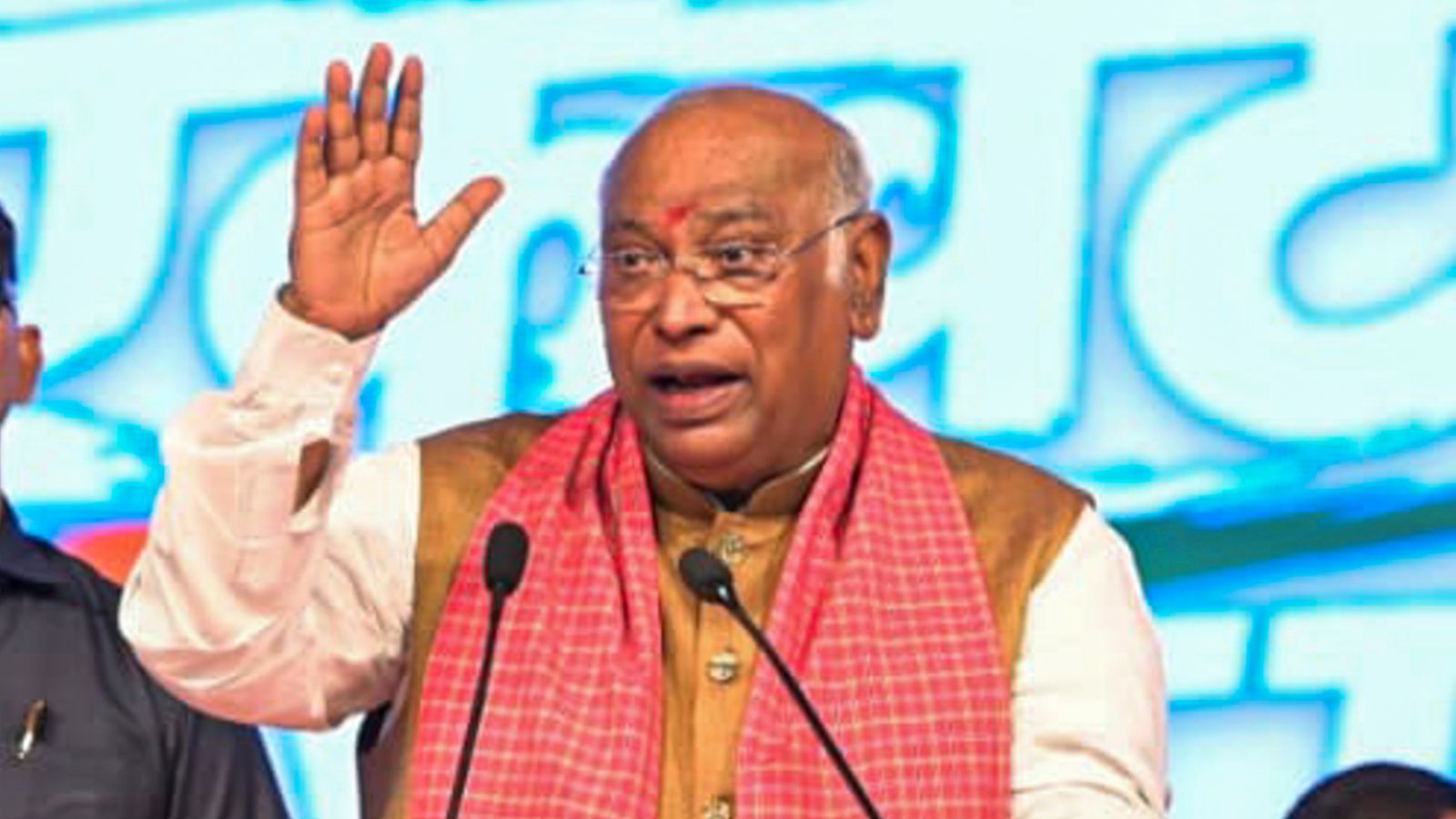
The Rashtriya Swayamsevak Sangh (RSS) has responded to international backlash regarding Mohan Bhagwat's upcoming visit to the United Kingdom, stating they are open to dialogue with critics.
- Critics in the UK have urged the London Mayor to deny venues for RSS events.
- The RSS has maintained a stance of openness toward dialogue rather than confrontation.
- The visit aims to address Western misconceptions regarding Hindutva and India's identity.
The upcoming visit of RSS chief Mohan Bhagwat to the United Kingdom has become a flashpoint for ideological debate. Several UK-based groups have formally written to the Mayor of London, requesting a boycott of the event and urging authorities to deny the use of London venues for RSS-related activities. These groups have characterized the RSS as an 'authoritarian and militarist' organization.
In response to the mounting criticism, the Rashtriya Swayamsevak Sangh has adopted a remarkably composed and diplomatic stance. Rather than engaging in a heated rebuttal, the organization stated that critics are free to express their views and that the RSS remains entirely open to constructive dialogue. This approach seeks to project an image of openness amidst international scrutiny.
Why This Matters
BozokMedia analysis shows that this visit is a significant attempt at cultural diplomacy. As India's global footprint expands, the struggle to define 'Hindutva' and India's national identity in the Western consciousness has become increasingly intense. Bhagwat's presence in the UK is a strategic move to counter long-standing narratives.
The RSS's decision to invite dialogue rather than retreat suggests a sophisticated strategy to engage with global political discourse.
While certain activist groups have called for a boycott, the situation is nuanced. Notably, some British Members of Parliament have come forward to back Mohan Bhagwat's London leg, highlighting the deep political divisions even within the UK regarding Indian ideological movements.
Historical Background
Founded in 1925, the RSS has grown into one of the world's largest voluntary organizations. Over the last decade, as the Indian diaspora has become more influential in Western nations, the organization's ideological presence and the subsequent scrutiny of its values have reached unprecedented levels.
Frequently Asked Questions
1. Why are UK groups protesting the RSS event?
Certain groups claim the RSS ideology is authoritarian and have requested the London Mayor to restrict their access to public venues.
2. What is the primary goal of Mohan Bhagwat's UK tour?
The visit is intended to clarify misconceptions about Hindutva and provide a more authentic perspective on India's socio-political landscape.