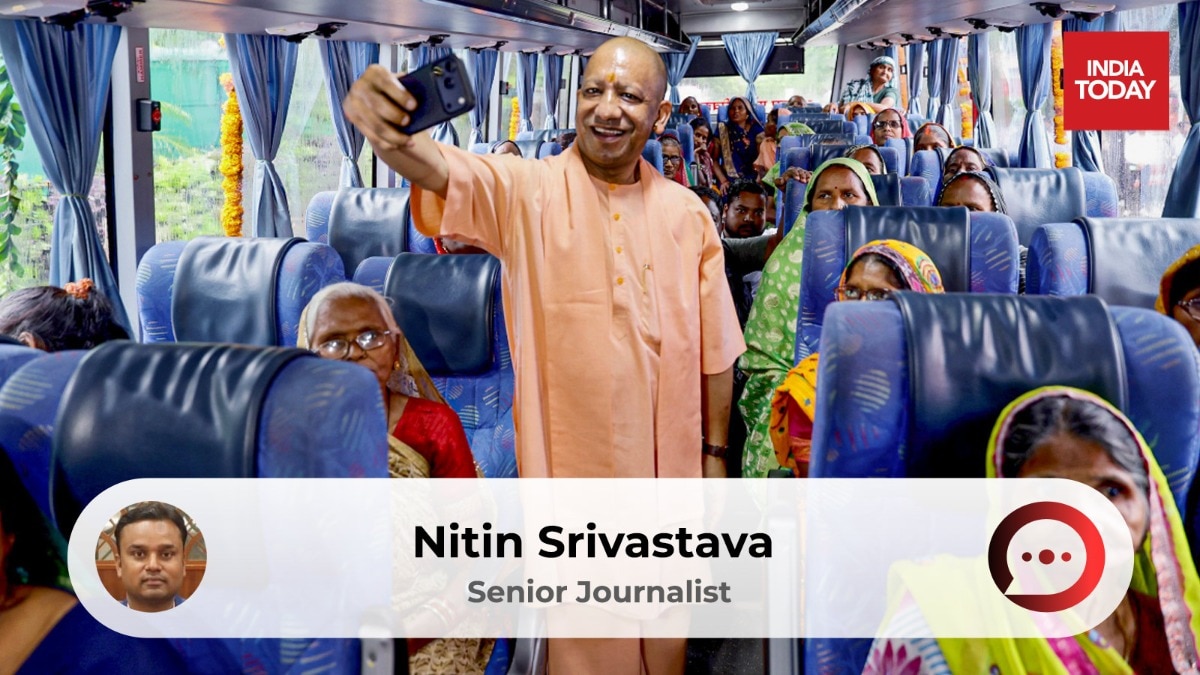
Yogi Adityanath has redefined Uttar Pradesh politics by moving beyond traditional caste arithmetic. His unique blend of 'development and heritage' creates a formidable challenge for the opposition ahead of the 2027 elections.
- Yogi Adityanath has disrupted the traditional grammar of caste-based politics.
- The 'Zero Tolerance' policy has transformed law and order into a political brand.
- A unique synthesis of modern infrastructure and cultural heritage defines his governance.
- Women's safety has emerged as a cornerstone of his political strength.
In the complex landscape of Uttar Pradesh politics, electoral success has historically been dictated by caste arithmetic, family lineages, and regional alliances. However, Yogi Adityanath has established a benchmark that challenges these conventional metrics. As the state moves toward the 2027 Assembly elections, the fundamental 'Yaksha Prashna' emerges: Can any opposition leader provide an alternative to the distinctive political identity forged by the Gorakshpeethadhishwar?
Beyond the Constraints of Caste
While opposition parties remain deeply entrenched in the management of various caste and sub-caste demographics, Yogi Adityanath has cultivated an overarching cultural identity. By choosing the path of renunciation, he has transcended the narrow confines of clan and family ties. This psychological advantage allows him to operate on a plane that a conventional politician—bound by family responsibilities and caste obligations—simply cannot reach.
The Brand of 'Tough Governance'
In the administrative vocabulary of Uttar Pradesh, terms like 'Zero Tolerance' and 'Bulldozer Action' have evolved from mere policies into a powerful political brand. BozokMedia analysis shows that the public's perception of security has undergone a massive shift. Against the backdrop of a past marred by mafia dominance, the current administration's aggressive stance has instilled a sense of lawfulness. Interestingly, when critics attack these methods on constitutional grounds, they often inadvertently reinforce Yogi's image as a 'determined and tough administrator' in the eyes of the electorate.
Yogi Adityanath's political strength lies in his ability to transform administrative decisiveness into a deep-seated psychological sense of security for the masses.
The Convergence of Development and Heritage
Indian politics has long seen a divide between leaders focusing on modernity and those championing tradition. Yogi Adityanath has effectively bridged this gap. He simultaneously promotes massive infrastructure projects like the Jewar International Airport and the Ganga Expressway, while leading the cultural renaissance seen in the Ayodhya Ram Temple and the transformation of Kashi Vishwanath Dham.
| Feature | Conventional Politics | The Yogi Model |
|---|---|---|
| Primary Driver | Caste & Family Arithmetic | Governance & Cultural Identity |
| Law & Order | Reactive/Negotiated | Proactive/Zero Tolerance |
| Strategic Focus | Economic Promises | Development + Heritage Synthesis |
Frequently Asked Questions
1. How does Yogi Adityanath differ from traditional UP politicians?
Unlike traditional leaders, his identity is rooted in renunciation, allowing him to bypass the limitations of caste-based politics.
2. What is the impact of the 'Bulldozer' policy on voters?
It has created a perception of strong-arm governance that prioritizes public security over criminal interests.