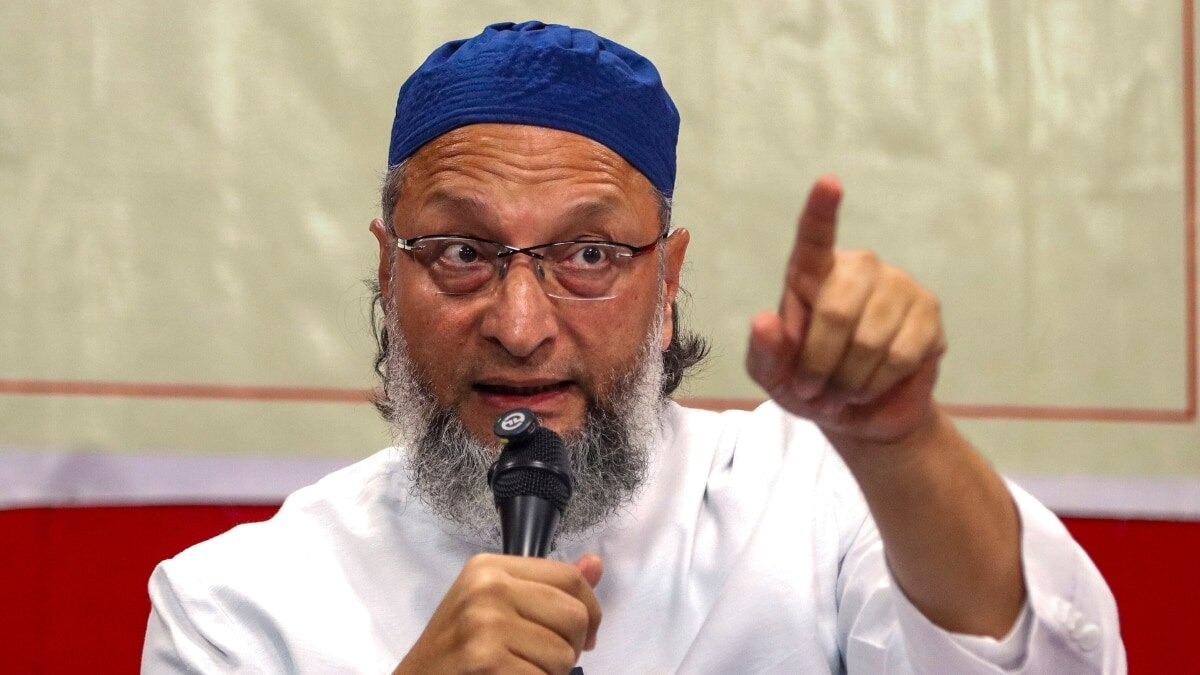
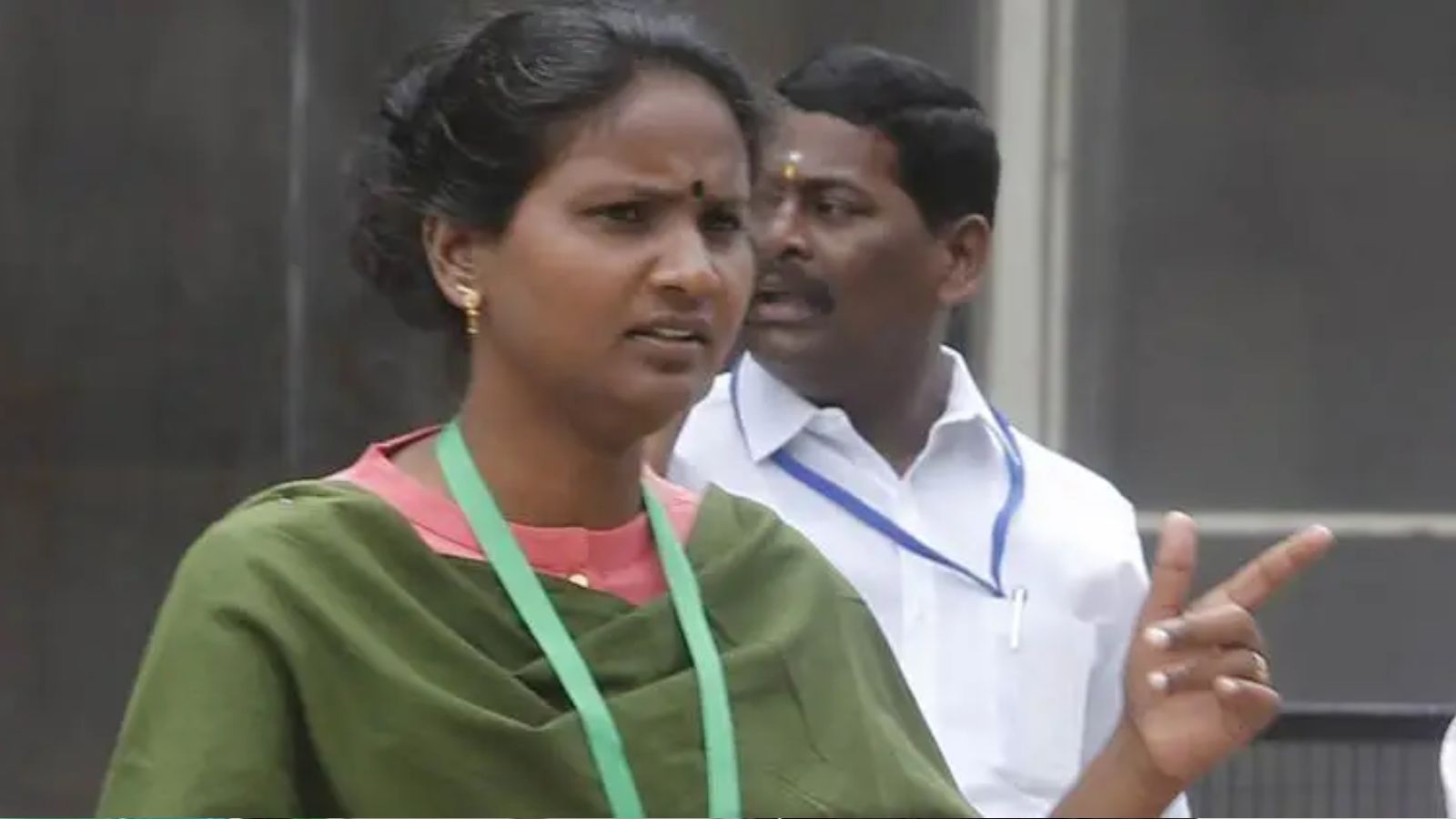
DMK President M.K. Stalin has strongly condemned the Directorate of Vigilance and Anti-Corruption (DVAC) raids on former Minister K.N. Nehru, calling them politically motivated. Stalin alleged the raids were a diversionary tactic by the ruling government to cover up its own political controversies.
- DMK President M.K. Stalin alleges DVAC raids on former Minister K.N. Nehru are politically motivated.
- The raids coincide with an ongoing Assembly session and a pending High Court case.
- Stalin accuses the ruling party of diverting attention from "horse-trading" allegations.
In a major political escalation in Tamil Nadu, Dravida Munnetra Kazhagam (DMK) President M.K. Stalin has strongly condemned the Directorate of Vigilance and Anti-Corruption (DVAC) raids at the residence of former Minister and senior party leader K.N. Nehru. Stalin characterized the action as a textbook case of political vendetta orchestrated by the ruling dispensation.
In a strongly-worded social media statement, the DMK chief pointed out the highly controversial timing of the raids. He emphasized that the vigilance action was initiated while the state Assembly was actively in session and a related case was already pending before the High Court, suggesting a disregard for ongoing judicial and legislative processes.
Stalin went on to accuse the ruling party of engaging in blatant "horse-trading" on the Assembly premises. He alleged that opposition MLAs were being coerced or incentivized to resign and join the ruling party, an issue for which a First Information Report (FIR) remains pending. According to Stalin, the DVAC raids were a desperate attempt to sweep these allegations under the rug.
"The government has conducted these raids to divert public attention at a time when Indian democracy is heading towards a dark period," Stalin remarked. He asserted that neither the DMK as an organization nor K.N. Nehru as an individual would be intimidated by such administrative pressure, promising a robust legal challenge.
Why This Matters
BozokMedia analysis shows that the timing of these raids serves as a double-edged sword in state politics. While the government projects a hardline stance against corruption, the opposition successfully leverages the timing—during an active legislative session—to build a narrative of state-sponsored harassment, potentially consolidating their voter base ahead of upcoming electoral battles.
"The timing of vigilance raids during active legislative sessions often intensifies allegations of political vendetta, shifting the battle from courtroom corridors to public opinion."
To understand the conflicting perspectives surrounding this political standoff, consider the comparison below:
| Aspect | DMK's Position | Ruling Party / DVAC Position |
|---|---|---|
| Timing of Raids | Highly suspicious; conducted during Assembly session & pending court case. | A routine administrative procedure independent of legislative schedules. |
| Core Allegation | Political distraction from "horse-trading" scandals. | Legitimate investigation into alleged financial irregularities. |
| Next Steps | Mounting a fierce legal battle and mobilizing public protest. | Proceeding with the investigation in accordance with the law. |
The DMK has mobilized its legal cell to counter the DVAC's actions, signaling that this dispute will be fought intensely in the courts. Meanwhile, political observers expect this development to further polarize the legislative assembly, making bipartisan cooperation on key state policies highly unlikely in the near future.
Frequently Asked Questions
Q1: Why did DMK President M.K. Stalin criticize the DVAC raids?
A1: Stalin criticized the raids as politically motivated, arguing they were timed to divert public attention from the ruling party's alleged horse-trading controversies.
Q2: Who is K.N. Nehru, and what is the context of the raids?
A2: K.N. Nehru is a senior DMK leader and former state minister. The DVAC conducted raids at his residence while a case was pending in the High Court and the Assembly was in session.