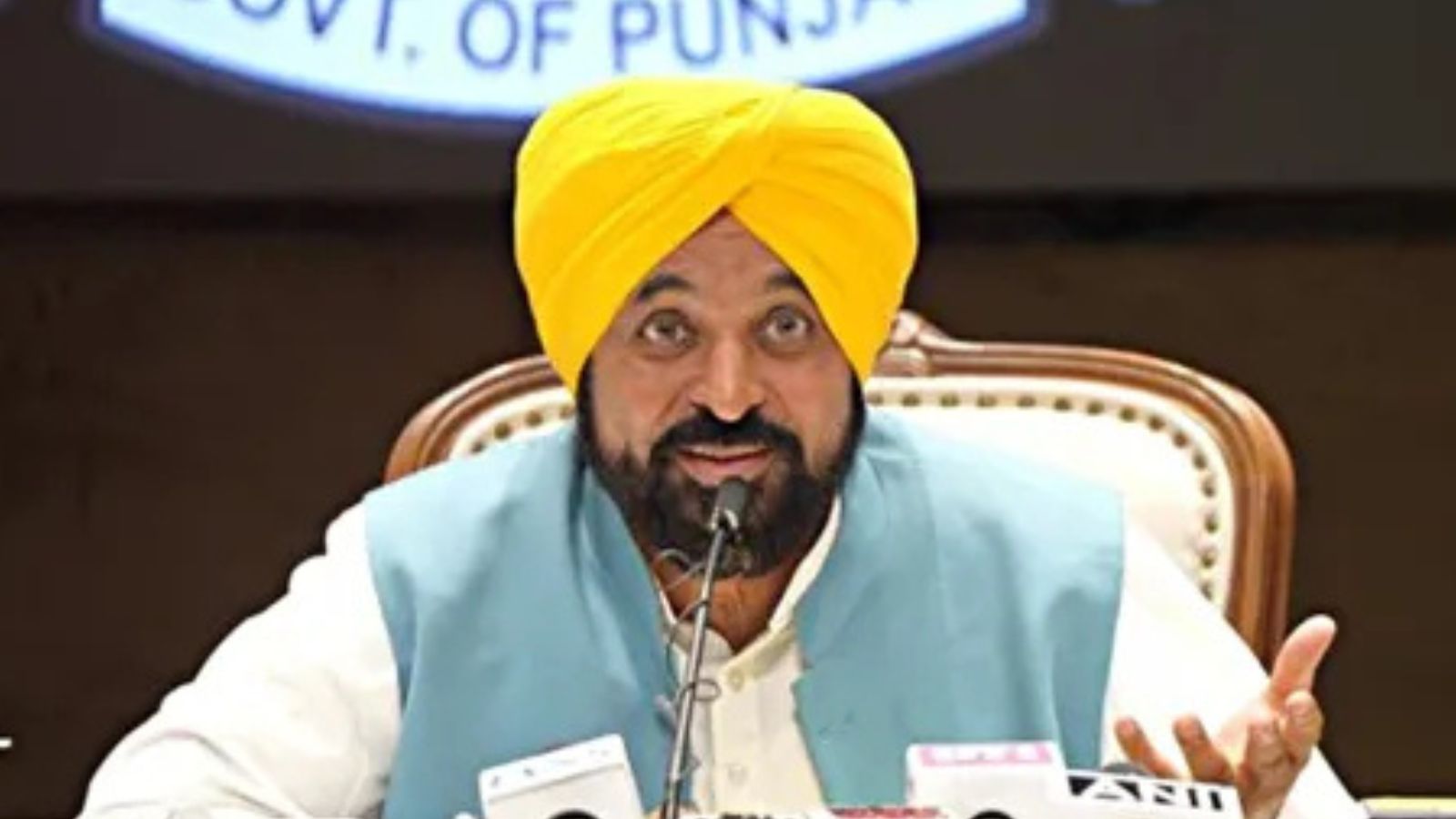
In a major move ahead of planned protests, the Punjab government has proposed increasing the Dearness Allowance (DA) from 42% to 60% for 85,000 employees recruited after July 2020.
- DA proposed to increase from 42% to 60% for specific cadres.
- Target group: 85,000 employees recruited after July 17, 2020.
- Estimated annual fiscal impact: ₹900 crore.
- Employee unions label the move as a 'divide and rule' tactic.
The Punjab government, led by the AAP dispensation, has announced a proposal to raise the Dearness Allowance (DA) of approximately 85,000 employees from 42% to 60%. Cabinet Minister Aman Arora revealed the decision on Friday, aligning the allowance with the Central pay pattern for a specific subset of the workforce.
This strategic move specifically addresses the grievances of employees recruited after July 17, 2020. These employees operate under the Central government’s 7th Pay Commission matrix for their basic pay but have been receiving DA based on the lower Punjab state pattern. The decision aims to bridge this widening disparity.
Why This Matters
BozokMedia analysis shows that this decision is a tactical response to the mounting pressure from employee unions, who have threatened mass casual leave starting September 8. By addressing the specific needs of post-2020 recruits—who do not enjoy the higher basic pay scales of older employees—the government is attempting to neutralize a significant portion of the potential agitation.
The timing of this announcement suggests a calculated effort to de-escalate tensions just days before a scheduled statewide strike.
The beneficiaries of this hike include a wide array of essential service providers, including teachers, constables, nurses, medical officers, and junior engineers. While the move is being hailed as a 'Janmashtami gift' by the government, it has met with stiff resistance from larger employee federations.
Historical Background
The friction began following a change in the state’s recruitment structure in July 2020. While older employees benefited from higher Punjab-specific basic pay scales, newer recruits were moved to the Central Pay Scale. This created a two-tier system where newer employees were effectively earning less due to the mismatch between their basic pay and the applicable DA rates.
Frequently Asked Questions
1. Who are the primary beneficiaries of this DA hike?
The proposal targets 85,000 employees recruited after July 17, 2020, including health workers, clerks, and engineers.
2. Why are employee unions protesting despite this hike?
Unions argue that the move is a 'divide and rule' policy and they are demanding the implementation of the full Punjab Pay Scale for all, along with pending arrears.