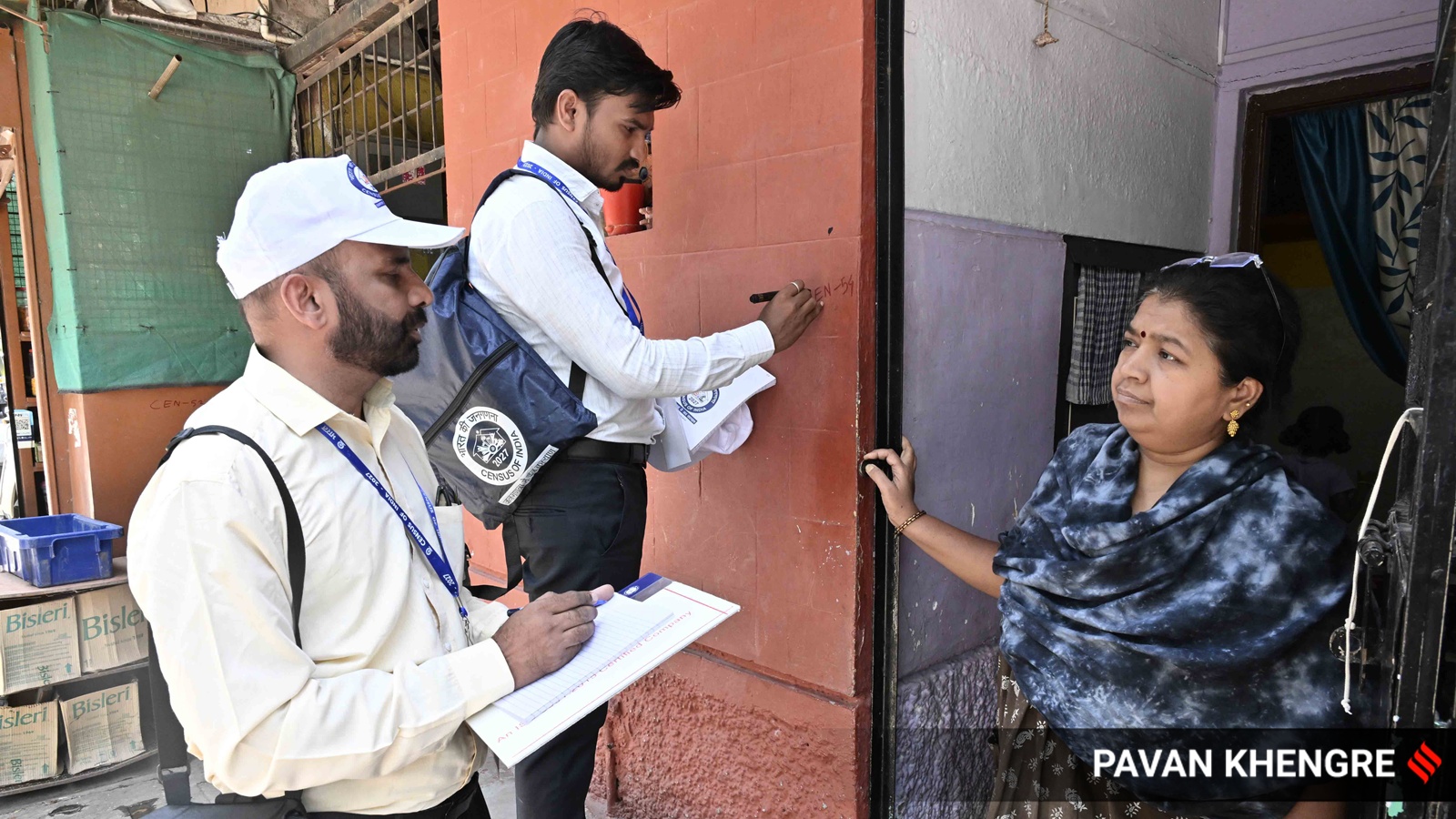
The Central Government has advanced the Census 2027 enumeration schedule for Punjab and other poll-bound states, effectively nullifying rumors of an early assembly election in November 2026. The new timeline poses significant logistical challenges for holding simultaneous elections and census duties.
- The Centre has advanced the population enumeration for Census 2027 in Punjab, Goa, Uttar Pradesh, and Uttarakhand.
- Enumeration in these states will run from December 1, 2026, to January 4, 2027.
- The move settles political debates regarding a potential November 2026 election in Punjab.
- Logistical constraints arise as teachers and government staff are required for both census and election duties.
In a decisive move that reshapes the political landscape of Northern India, the Central Government on Saturday advanced the population enumeration schedule for Census 2027 in Punjab and three other poll-bound states. This administrative shift effectively puts an end to the intense political speculation that the Punjab Assembly elections might be conducted as early as November 2026.
According to a formal gazette notification issued by the Registrar General and Census Commissioner of India, Mrityunjay Kumar Narayan, the population enumeration for Punjab, Goa, Uttar Pradesh, and the non-snow-bound regions of Uttarakhand is now scheduled to take place from December 1, 2026, to January 4, 2027. A revisional round of enumeration will follow from January 5 to 9, 2027. Furthermore, citizens in these regions will have the opportunity for self-enumeration between November 16 and 30, 2026.
Political Implications and the Punjab Context
The timing of this census is critical for Punjab, where the current five-year term of the Legislative Assembly is set to expire on March 15, 2027. The ruling Aam Aadmi Party (AAP), led by Chief Minister Bhagwant Mann, secured a massive mandate in the 2022 elections, winning 92 out of 117 seats.
The revised census schedule creates a significant hurdle for the Election Commission. Since a vast majority of government employees—particularly teachers—are drafted for both census operations and election duties, conducting both simultaneously would present insurmountable logistical and manpower challenges. This decision effectively pushes the election window back toward the original February 2027 timeline.
Why This Matters
BozokMedia analysis shows that this move acts as a stabilizer in the volatile political climate of Punjab. By fixing the census dates, the Centre has inadvertently provided a predictable timeline for political parties, preventing the sudden mobilization that an unexpected November election would have demanded.
The overlap of census duties and election management creates a massive strain on state machinery, making simultaneous execution nearly impossible.
The controversy regarding the election date was sparked in June when AAP national convener Arvind Kejriwal suggested that Punjab might head to the polls in November 2026. His remarks triggered a fierce backlash from the BJP, which has been working to expand its organizational footprint in the state after a poor showing in the 2022 Assembly and 2024 Lok Sabha elections.
Historical Background
The 2022 Punjab Assembly elections were held on February 20, following a brief postponement requested by the then-Chief Minister Charanjit Singh Channi. The AAP's landslide victory marked a significant shift in the state's traditional power dynamics, moving away from the long-standing dominance of the Congress and the Shiromani Akali Dal.
Frequently Asked Questions
1. Why is the census schedule important for elections?
Census workers are often the same personnel used as polling officers during elections. Overlapping schedules create severe manpower shortages.
2. When is the next Punjab Assembly election expected?
With the current term ending in March 2027, elections are most likely to occur in early 2027.