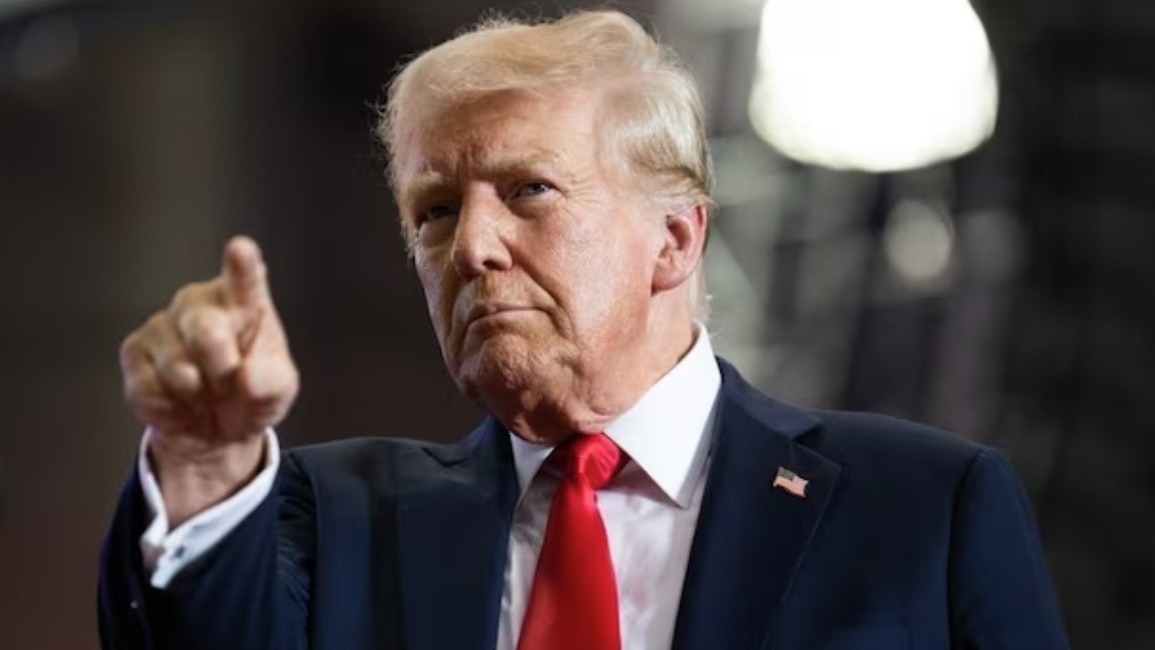
In a move that has sent shockwaves through the political landscape, Donald Trump has proposed renaming the state of New Mexico to 'New America'.
- Donald Trump has proposed renaming New Mexico to 'New America'.
- The move is viewed as a core component of his nationalist agenda.
- The proposal has triggered intense debate regarding cultural heritage.
Former President Donald Trump has once again captured global attention with a bold and controversial proposal. During a recent address, he announced his intention to rename the state of New Mexico to 'New America'. This move is being interpreted as a significant attempt to reshape the symbolic landscape of the United States.
Trump's vision suggests that the name change would serve as a powerful emblem of national rejuvenation and strength. By stripping away the existing name, he aims to instill a sense of unified American identity that aligns with his 'America First' philosophy. While his supporters view this as a patriotic necessity, critics argue it erases the deep-rooted historical and linguistic heritage of the region.
Why This Matters
BozokMedia analysis shows that such proposals are rarely just about nomenclature. They are strategic tools used to consolidate political identity. By linking a specific geography to a broader nationalistic concept like 'New America', Trump is attempting to create a psychological connection between the land and his political movement.
This proposal is a masterclass in symbolic politics, aiming to redefine the very essence of American territory through the lens of nationalism.
Historically, renaming states in the U.S. is an incredibly complex legal and cultural process. It requires significant consensus between federal authorities and state legislatures. Trump's proposal, therefore, sets the stage for a massive legislative and cultural confrontation in the coming years.
Frequently Asked Questions
1. Can a President unilaterally change a state's name?
No, a name change would require legislative action and the consent of the state government.
2. What is the expected reaction from New Mexico residents?
Reactions are expected to be deeply divided, reflecting the state's diverse political and cultural demographics.