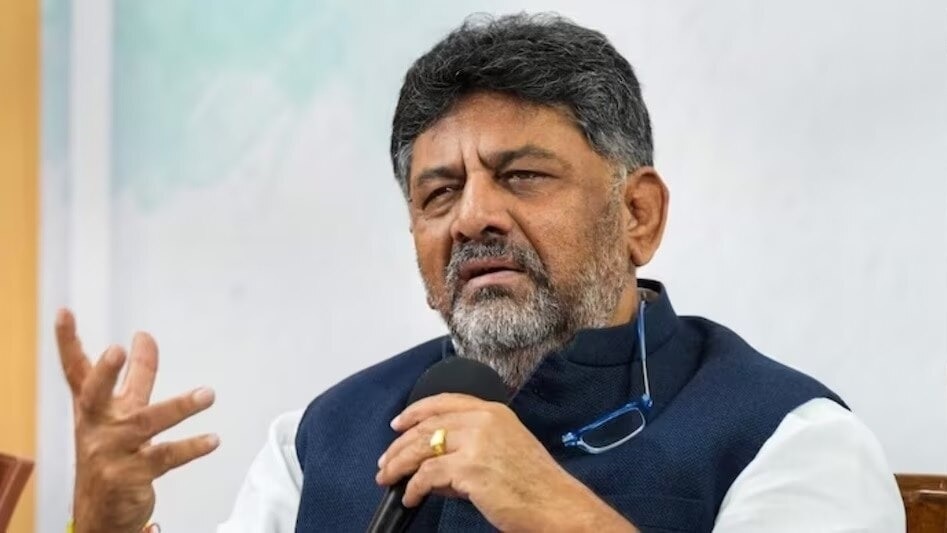
Grand Mufti Kanthapuram A.P. Aboobacker faces intense backlash following controversial remarks on women's public presence. Explore the deep-rooted political and social influence of Kerala's most powerful cleric.
- Cleric Kanthapuram A.P. Aboobacker issued a circular restricting women's public visibility during religious festivities.
- The directive has sparked a massive debate on gender rights and progressive values in Kerala.
- His influence spans religious, educational (Markaz), and high-level political spheres.
- He maintains unique cross-party relations, including ties with the BJP and CPI(M).
Kanthapuram A.P. Aboobacker, the Grand Mufti of India, has once again found himself at the center of a storm. The veteran scholar, a pillar of Kerala's Sunni Muslim community for over five decades, recently issued a directive through the Samstha Kerala Jamiyyathul Ulama. The circular instructed local religious bodies (mahallus) not to exhibit women in front of men on streets or stages during Islamic celebrations, specifically during Milad festivities.
The fallout was immediate. Kerala Chief Minister V.D. Satheesan and leaders from the CPI(M) condemned the move, labeling it unsuitable for a modern, progressive state. Kanthapuram defended his stance, claiming that the presence of women in public forums could lead to "chaos" and that Islam prescribes purdah to maintain order. This clash highlights the growing tension between traditional orthodoxy and modern social values in South India.
Why This Matters
BozokMedia analysis shows that Kanthapuram is not merely a religious figure; he is a socio-political powerhouse. Through his foundation, Jamia Markaz, and the massive Markaz Knowledge City, he has built an institutional empire that dictates much of the social fabric for the Muslim community in the region. His ability to command both religious devotion and political attention makes him a critical stakeholder in Kerala's governance.
Kanthapuram’s power is unique because it bridges the gap between traditional religious authority and modern institutional influence.
The cleric's history is marked by significant shifts. In 1989, a major split occurred within the Samastha Kerala Jamiyyathul Ulama over the influence of the Indian Union Muslim League (IUML). Kanthapuram led a faction that eventually formed Markazu Saquafathi Sunniyya, creating a lasting division within the Sunni community between the E.K. and A.P. factions.
Politically, Kanthapuram is a master of navigation. While his group has maintained close ties with the CPI(M)-led establishment, he has successfully engaged with leaders across the spectrum, including the Congress, IUML, and the BJP. His rapport with Prime Minister Narendra Modi underscores his status as a figure of national significance.
Beyond local politics, his reach is global. He has been a key figure in international Islamic initiatives like the Amman Message, promoting interfaith understanding. He also demonstrated his diplomatic weight in 2025 when he played a pivotal role in securing the release of Nimisha Priya, a Kerala nurse facing execution in Yemen.
Frequently Asked Questions
1. What was the recent controversy involving Kanthapuram?
He issued a directive suggesting women should not be displayed in public spaces during religious celebrations to prevent 'chaos.'
2. How does Kanthapuram relate to Indian politics?
He maintains influential relationships with various political parties, including the BJP, CPI(M), and Congress, allowing him to act as a significant communal and social mediator.