Veteran columnist Tavleen Singh observes a significant shift in Delhi's political mood, noting that the pervasive fear of dissent appears to be receding as leadership styles evolve.
In a profound observation of the current Indian political landscape, veteran columnist Tavleen Singh argues that a fundamental shift is occurring in the corridors of power in Delhi. After years of what she describes as a climate of fear, Singh notes that the 'fear in the Delhi air' is finally being discarded, allowing for a more vocal and critical public discourse.
Singh, who was once a staunch supporter of Prime Minister Narendra Modi due to his pro-market economic stance, highlights a growing disconnect between the 'strongman' image cultivated by the PM and the current necessity for democratic engagement. She notes that while the administration previously used state agencies to stifle dissent, the tide seems to be turning.
Why This Matters
BozokMedia analysis shows that the health of a democracy is directly proportional to the courage of its citizens and the media. The transition from a culture of silence to one of active questioning is a critical indicator of institutional resilience and the reclaiming of democratic spaces in India.
The disappearance of fear from the political discourse is perhaps the most significant indicator of a maturing democracy.
The article delves into the international perception of Indian democracy. Despite the Prime Minister's claims of India being the 'mother of democracy,' organizations like Freedom House and V-Dem have flagged a decline in liberal democratic values within the country. Singh suggests that the recent change in the Prime Minister's public persona—specifically his more conciliatory tone in social media reels—might be a response to these shifting dynamics.
Furthermore, Singh cites specific instances, such as journalists standing up against police misconduct and protesters demanding accountability, as evidence that the 'Cockroach Janta Party' era of intimidation is losing its grip. This resurgence of civic courage marks a turning point in how power is challenged in the capital.
Frequently Asked Questions
1. What does Tavleen Singh mean by the 'change in Delhi's mood'?
She refers to the increasing willingness of citizens and journalists to criticize government policies without the overwhelming fear of retaliation that characterized previous years.
2. How has the Prime Minister's communication style changed?
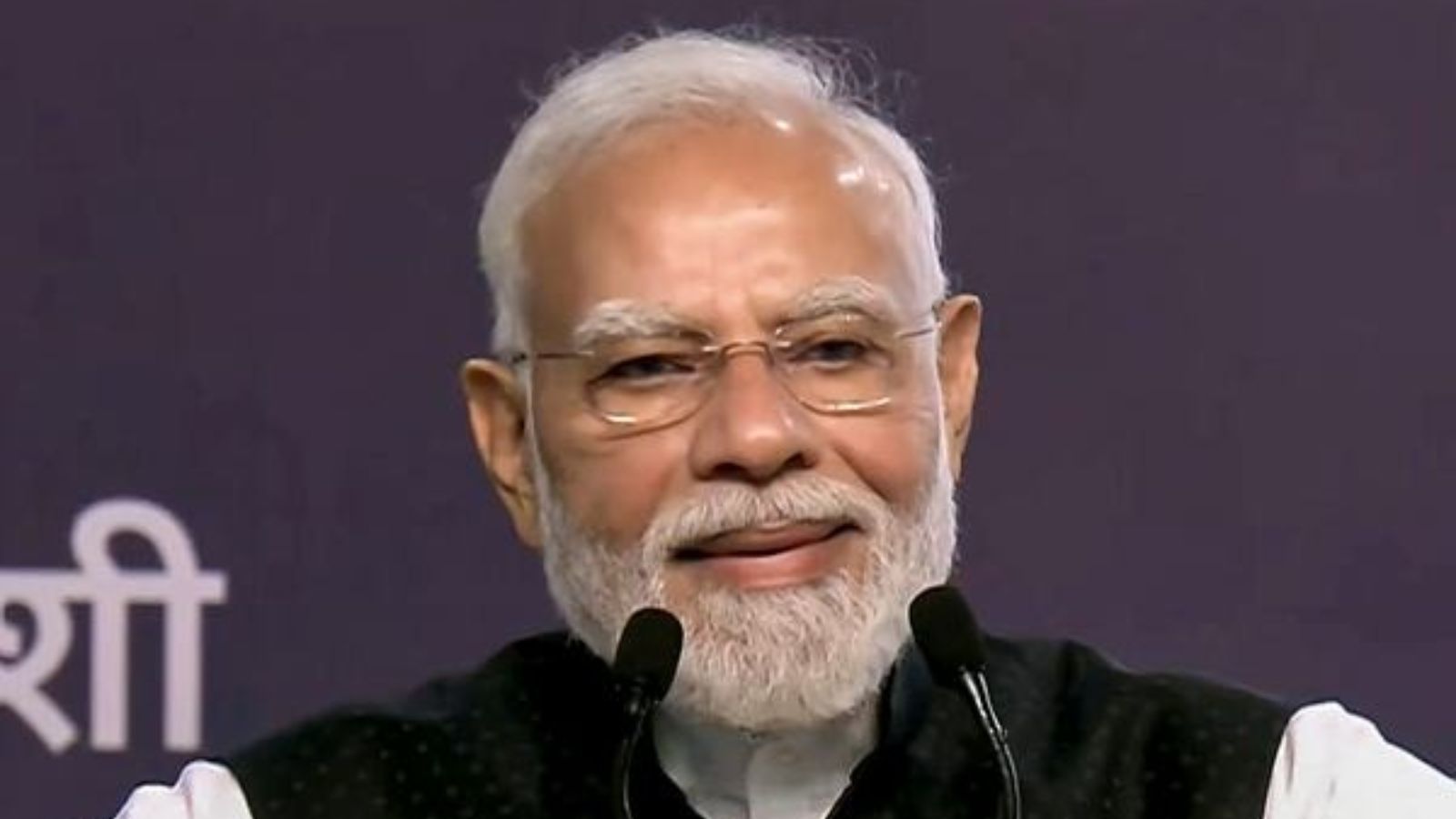
Singh observes that his recent social media content has moved away from a purely 'strongman' persona toward a more conciliatory and humble tone.