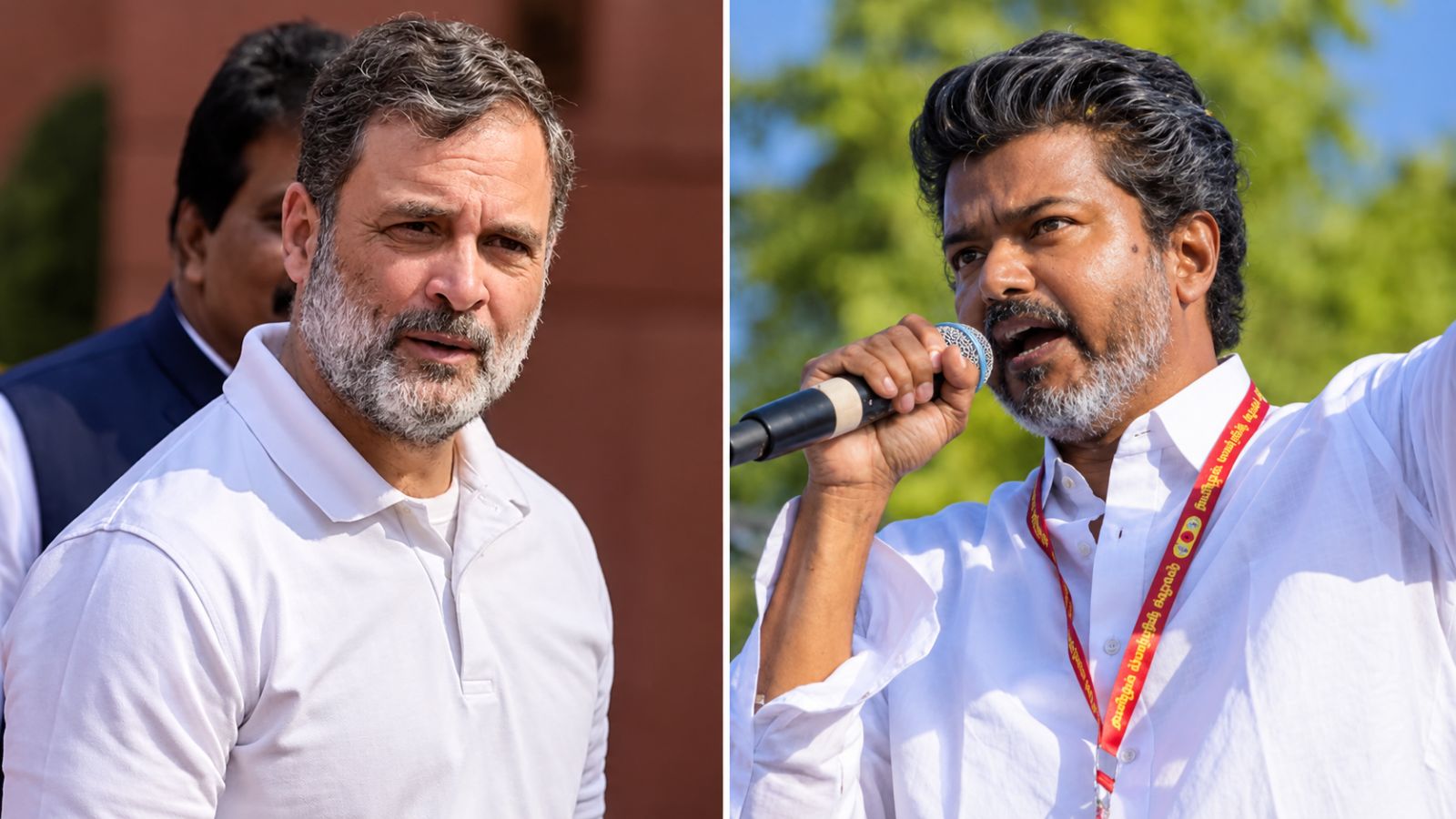
While unconditional cash transfers (UCT) provide vital financial support to women, the administrative errors in beneficiary identification are creating massive political liabilities for ruling governments.
- Unconditional Cash Transfers (UCT) have become a central electoral tool in India.
- Targeting errors (Inclusion and Exclusion) pose significant political risks.
- There is a fundamental tension between economic efficiency and political popularity.
- Conditional welfare tied to education or health is often more sustainable.
Since 2020, Unconditional Cash Transfer (UCT) schemes have evolved into a critical electoral strategy in India, primarily aimed at securing the women's vote bank. Programs such as Tamil Nadu's Kalaignar Magalir Urimai Thittam, West Bengal's Lakshmir Bhandar, and Karnataka's Gruha Lakshmi Yojana have set new precedents in welfare politics. According to the Ministry of Finance, states are projected to spend approximately $18 billion on such transfers in 2025-26.
The Economic vs. Political Dilemma
While these schemes advance Sustainable Development Goal (SDG) 5.4 by recognizing women's unpaid domestic work, they are not without critics. Economists warn that these transfers often act as electoral 'freebies' that necessitate higher fiscal deficits or 'expenditure switching.' This diverts crucial funds away from productive investments like infrastructure and employment generation. Once a population becomes dependent on these transfers, the political cost of withdrawing them becomes prohibitively high.
The Perils of Targeting: Inclusion and Exclusion Errors
A major hurdle in UCT implementation is the accurate identification of beneficiaries. In the absence of direct income data for the informal sector, governments rely on proxies like land ownership or electricity usage. This leads to two critical failures: Inclusion Errors (benefits going to the ineligible) and Exclusion Errors (eligible people being left out).
Political costs arise not just from actual administrative mistakes, but from the 'perceived' unfairness felt by those who believe they were unjustly denied benefits.
The Kalaignar Magalir Urimai Thittam in Tamil Nadu serves as a cautionary tale. Despite expanding the beneficiary list, widespread dissatisfaction persisted among women who felt excluded by strict eligibility criteria. BozokMedia analysis shows that even minor shifts in voter perception regarding these errors can swing closely contested elections, as seen in recent political shifts in West Bengal and Karnataka.
Why This Matters
This phenomenon highlights a core tension in governance: Economics favors targeted programs to maximize resource efficiency, whereas Politics rewards broad inclusion to minimize grievance. When a government tries to be economically prudent by targeting only the poorest, it risks alienating the 'near-poor' who feel they are being unfairly treated, thereby incurring a heavy political cost.
Frequently Asked Questions
1. What is the primary criticism of UCT schemes?
Critics argue they lead to fiscal instability and divert resources from long-term developmental investments like job creation.
2. How do targeting errors affect elections?
Perceived exclusion of eligible voters or perceived inclusion of undeserving ones can create widespread resentment, influencing voter behavior in key constituencies.
| Scheme Name | State | Primary Challenge |
|---|---|---|
| Lakshmir Bhandar | West Bengal | Allegations of including non-residents |
| Gruha Lakshmi | Karnataka | Exclusion errors |
| Kalaignar Magalir Urimai Thittam | Tamil Nadu | Eligibility disputes and dissatisfaction |