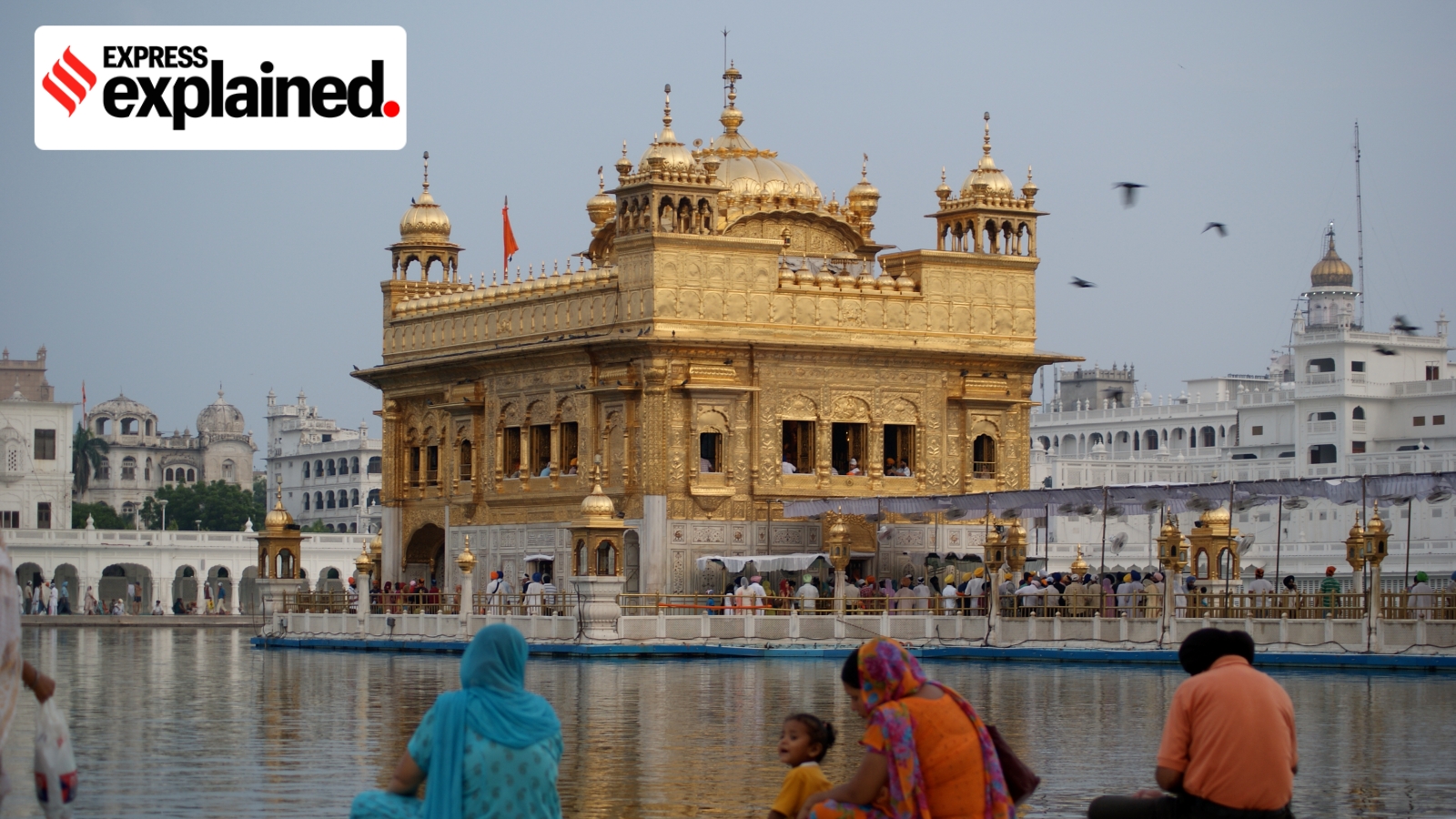
The Shiromani Gurdwara Parbandhak Committee (SGPC), often called the 'mini-Parliament of Sikhs,' has seen no elections since 2011 due to protracted legal battles and court stays.
- The last SGPC general elections were conducted in 2011.
- Legal disputes regarding voter eligibility and electoral rolls have halted progress.
- The existing House continues to function under Section 51 of the Sikh Gurdwaras Act.
The Shiromani Gurdwara Parbandhak Committee (SGPC) stands as one of India's most influential religious and political bodies. Tasked with managing historic Sikh shrines, including the iconic Sri Harmandar Sahib (Golden Temple) in Amritsar, the SGPC is designed to be a representative democratic institution. However, a massive democratic deficit has emerged, as the body has not undergone fresh elections in 15 years.
Established under the Sikh Gurdwaras Act, 1925, the SGPC consists of 170 elected members from Punjab, Haryana, Himachal Pradesh, and Chandigarh, along with nominated members and ex-officio members like the Jathedars of the five Takht Sahibs. Despite its statutory mandate, the electoral process has been paralyzed since 2011.
The Timeline of Delay
The roots of this delay lie in a complex legal struggle. Following the 2011 elections, intense debates arose regarding the voting rights of Sikhs who trim or shave their beards. A 2016 amendment to the 1925 Act eventually disqualified such individuals from being electors. If one calculates a five-year term from this 2016 amendment, the previous House's mandate should have expired in 2021.
BozokMedia analysis shows that the current House remains in power due to Section 51 of the Act, which allows an existing Board to continue its functions until a new Board is formally constituted. This provision has inadvertently created a loophole that allows the 2011-era House to persist indefinitely.
The intersection of religious identity, legal technicalities, and political survival has created a constitutional stalemate within the Sikh community.
Judicial Hurdles and Political Friction
In a recent parliamentary session, the Ministry of Home Affairs confirmed that while a Chief Commissioner has been appointed to prepare fresh electoral rolls, multiple petitions in the Punjab and Haryana High Court have resulted in a stay. These legal challenges have effectively frozen the democratic transition.
One significant legal battle, Baldev Singh v. SGPC, involves the rights of Sikhs in Haryana. While some argue for the inclusion of Haryana's Sikh electorate, critics and independent activists allege that the current leadership is leveraging these legal delays to maintain their grip on power and avoid the uncertainty of a fresh mandate.
| Feature | SGPC Structure | Current Status |
|---|---|---|
| Total Elected Members | 170 | Operating since 2011 |
| Key Jurisdiction | Punjab, Haryana, HP, Chandigarh | Legal Stay on Rolls |
| Term Duration | 5 Years | Extended indefinitely via Sec 51 |
Frequently Asked Questions
1. Why can't the SGPC hold elections immediately?
Fresh elections are currently blocked by a stay order from the High Court regarding the preparation of new electoral rolls.
2. What is the significance of the 2016 amendment?
The amendment changed voter eligibility regarding facial hair, which triggered the timeline shifts and legal disputes currently affecting the House.

