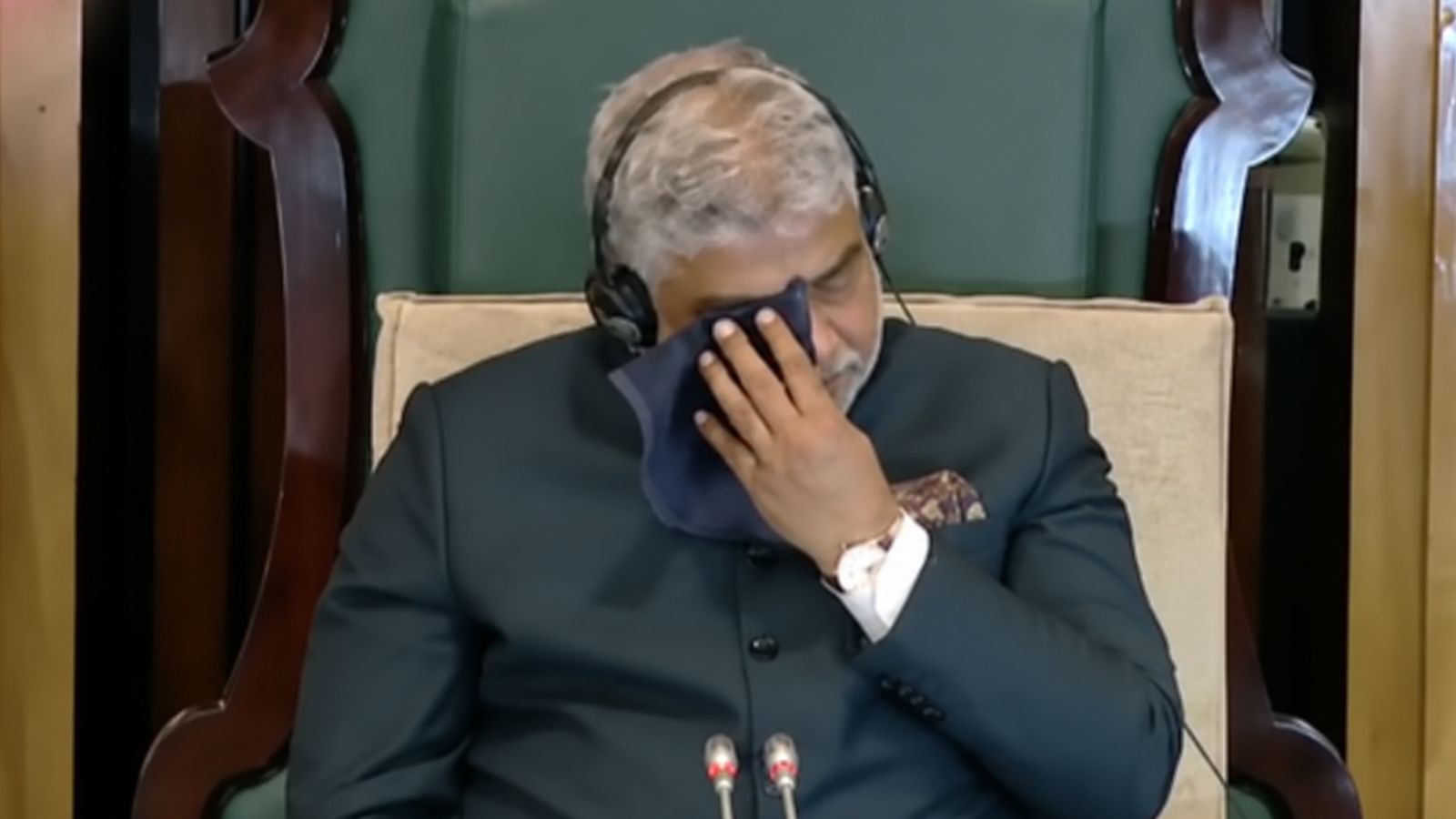
The Calcutta High Court has granted interim protection to TMC leader Abhishek Banerjee in FIRs related to Sebaashray health camp irregularities. The court warned it might restrain further FIRs if the protection is disregarded.
- Interim protection granted to Abhishek Banerjee until November 30, 2026.
- Court warned it may bar new FIRs without prior judicial approval.
- The ruling draws parallels to the legal precedent set in the Suvendu Adhikari case.
- Banerjee is directed to cooperate fully with ongoing investigations.
In a significant legal development on Monday, the Calcutta High Court indicated that it might restrain the registration of further First Information Reports (FIRs) against senior Trinamool Congress (TMC) leader Abhishek Banerjee unless such filings receive prior court approval. This warning comes amidst ongoing submissions that criminal complaints continue to be filed against the leader despite existing judicial safeguards.
The Bench, presided over by Justice Saugata Bhattacharyya, provided interim protection to Mr. Banerjee until November 30, 2026, specifically regarding three FIRs linked to alleged irregularities in the TMC's 'Sebaashray' health camp program. While granting relief, the court emphasized that the Diamond Harbour MP must cooperate with the ongoing investigation.
Legal Precedents and the Suvendu Adhikari Comparison
Senior advocate Gopal Sankaranarayanan, representing Mr. Banerjee, drew a direct comparison to the case of Suvendu Adhikari, the current leader of the opposition/incumbent figure in the state's political landscape. He argued that Banerjee is facing a systematic attempt to circumvent previous court-ordered protections through a barrage of new complaints, many of which were filed by political opponents.
"Enough is enough. I have been hearing this since May 4. I will now pass orders relying on the precedent set in Suvendu Adhikari's case." - Justice Saugata Bhattacharyya
In 2022, the Calcutta High Court had granted blanket protection to Mr. Adhikari, ruling that no new FIRs could be filed against him without the court's prior permission, following his transition from the TMC to the BJP. The court noted that the current pattern of complaints against Banerjee mirrors that historical situation.
BozokMedia Analysis: Judicial Intervention in Political Rivalry
BozokMedia analysis shows that the judiciary is increasingly stepping in to mediate the intense political friction in West Bengal. By invoking the Adhikari precedent, the Calcutta High Court is signaling a refusal to allow the legal machinery to be potentially weaponized for political vendettas. This move seeks to protect individuals from 'litigation harassment' while ensuring that legitimate investigations can proceed under judicial oversight.
The Additional Advocate General, Rajdeep Mazumder, argued that while Banerjee might not have committed the acts directly, the responsibility could lie with his subordinates. However, the court remained skeptical, questioning why 'whistleblowers' had waited a year to raise these specific concerns if the irregularities were as systemic as alleged.
Historical Context of Political FIRs in Bengal
The history of West Bengal politics is marked by frequent legal battles between ruling and opposition parties. The use of FIRs as a tool for political maneuvering has often led to landmark judgments where the High Court and Supreme Court have had to intervene to prevent the abuse of criminal law processes.
Frequently Asked Questions
Question 1: What protection has the court granted to Abhishek Banerjee?
Answer: The court has granted him interim protection from coercive action in three specific FIRs until November 30, 2026.
Question 2: What is the court's warning regarding new FIRs?
Answer: The court warned that it may restrain the registration of any further FIRs against him unless they are approved by the court first.