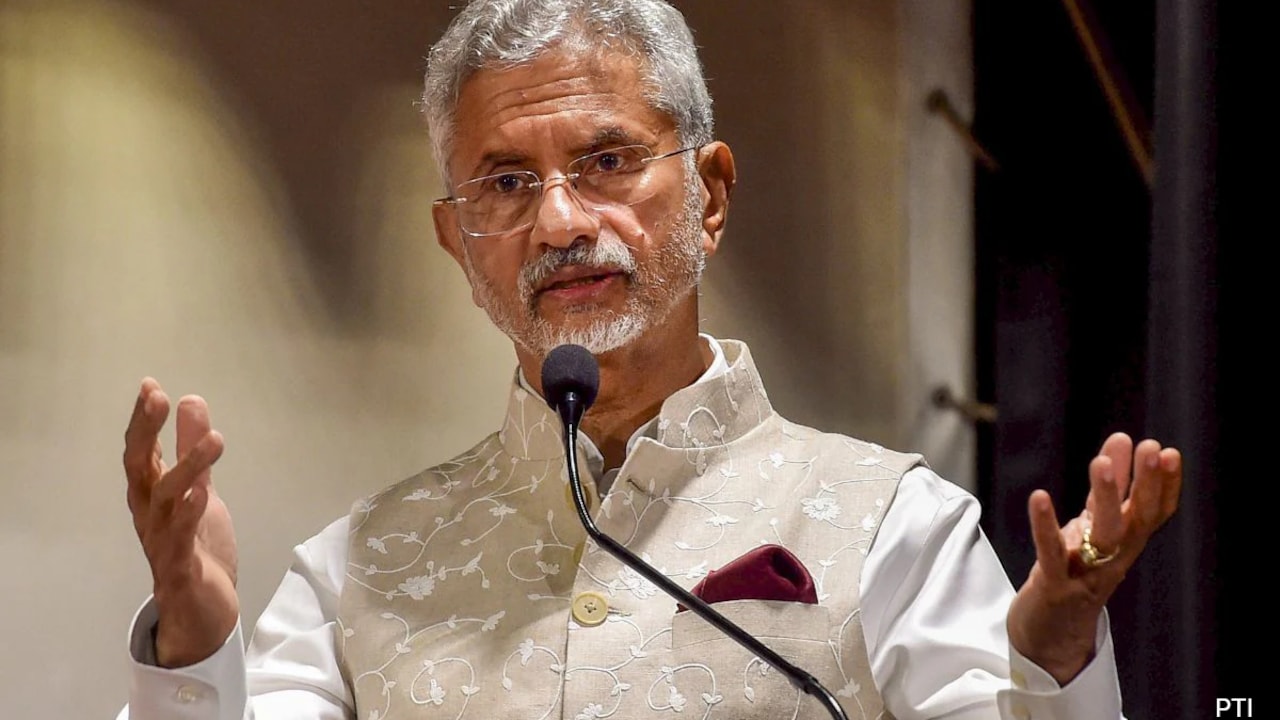
Amid escalating Middle East tensions, the Indian Parliament has reviewed the nation's strategic ties with Gulf countries. Any disruption to oil supply routes could trigger a significant surge in domestic fuel prices.
- Parliamentary committee reviews India's strategic relations with Middle Eastern nations.
- Energy security remains a top priority amidst regional geopolitical volatility.
- Disruptions in shipping routes pose a direct threat to India's fuel stability.
A parliamentary committee recently convened to conduct a comprehensive review of India's diplomatic and economic relations with countries in the Gulf region. This high-level discussion comes at a critical juncture as tensions in the Middle East continue to escalate, creating ripples across global geopolitical landscapes.
The core of the discussion centered on India's ability to maintain its complex 'balancing act' in a region marked by volatility. As a major importer of crude oil, India's economic stability is inextricably linked to the peace and stability of the Middle East and the security of vital maritime shipping lanes.
Why This Matters
BozokMedia analysis shows that India's strategic autonomy in the Gulf is no longer just a matter of foreign policy, but a cornerstone of national economic security. Any prolonged disruption to oil supplies or key maritime chokepoints could lead to immediate inflationary pressures within the Indian economy.
India's ability to navigate the complexities of Middle Eastern geopolitics will determine its energy resilience in the coming decade.
The committee highlighted that the security of shipping routes, such as the Strait of Hormuz and the Red Sea, is paramount. Any conflict that threatens these corridors could force a rerouting of tankers, significantly increasing freight costs and, subsequently, the landing cost of crude oil in India.
Historically, India has maintained a pragmatic approach, fostering deep economic ties with Gulf monarchies while advocating for regional stability through multilateral diplomacy. This dual approach is being tested like never before by current regional conflicts.
The review aims to prepare policymakers for potential contingencies, ensuring that India's energy supply chain remains robust despite the unpredictable nature of Middle Eastern politics.
Frequently Asked Questions
1. How does Middle East instability affect the Indian economy?
Instability can lead to oil price volatility, which increases transportation costs and drives up inflation in India.
2. Why is the 'Gulf Balancing Act' important for India?
India must balance its energy needs from the Gulf with its broader geopolitical interests and regional security commitments.