Punjab Chief Minister Bhagwant Mann skipped the swearing-in ceremony of Justice Ashwani Kumar Mishra as Chief Justice, citing a violation of constitutional norms by the Central Government.
- Justice Ashwani Kumar Mishra officially took oath as Chief Justice of Punjab and Haryana High Court.
- Punjab CM Bhagwant Mann boycotted the event, while Haryana CM Nayab Singh Saini attended.
- The Punjab Cabinet passed a resolution claiming the Centre bypassed state consent in the appointment process.
- The conflict stems from a dispute over the Memorandum of Procedure (MoP) for judicial appointments.
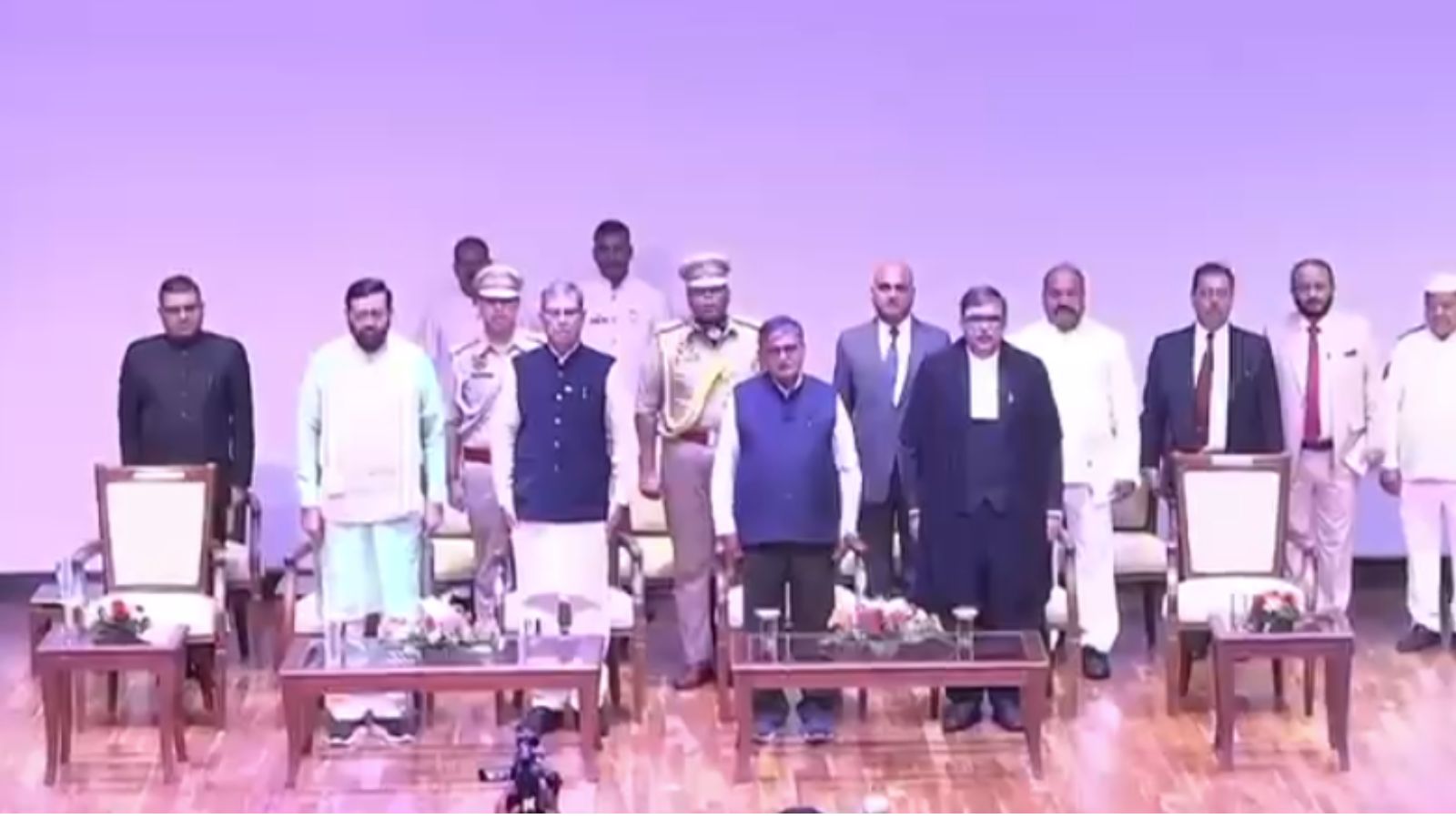
In a significant display of federal tension, Justice Ashwani Kumar Mishra was sworn in as the Chief Justice of the Punjab and Haryana High Court on Monday. The ceremony, held at Lok Bhawan in Chandigarh, was administered by Punjab Governor Gulab Chand Kataria. While the event saw the presence of Haryana Chief Minister Nayab Singh Saini and several senior judges, the conspicuous absence of Punjab Chief Minister Bhagwant Mann sent a strong political signal to the Union Government.
The friction escalated on Sunday evening when the Punjab Cabinet convened an emergency meeting. The cabinet passed a formal resolution demanding that the appointment and the administration of the oath be put on hold. The state government alleged that the Union Ministry of Law and Justice appointed Justice Mishra without waiting for the state's views, which they claim is a mandatory step in the established process for appointing High Court judges.
Why This Matters
BozokMedia analysis shows that this is not merely a procedural disagreement but a deeper clash over 'State Rights' versus 'Central Authority'. By skipping the ceremony, the AAP-led government is attempting to frame the appointment as an assault on Punjab's constitutional autonomy. This follows a pattern of friction between the Punjab government and the Centre regarding financial grants and administrative interference.
The appointment of a High Court Chief Justice requires a delicate balance between the Collegium's recommendation and the state's input to ensure judicial independence and executive cooperation.
Justice Mishra's journey to the top post is distinguished. Born in 1968 and an alumnus of Delhi University's Campus Law Centre, he practiced extensively in civil and constitutional law. After serving as a judge in the Allahabad High Court from 2014, he was transferred to the Punjab and Haryana High Court in July 2025. His tenure as Acting Chief Justice was already marked by a stern directive to the Punjab government to clear pending dearness allowance (DA) payments to employees, criticizing the state's spending on advertisements over employee dues.
The timeline of the appointment reveals a bureaucratic stalemate. The Supreme Court Collegium recommended Justice Mishra on August 6, and the Centre sought state views on August 12. While other states like Bihar and West Bengal responded promptly, reports suggest a delay from Punjab's side. Under standard procedure, if a state fails to respond within a reasonable timeframe, the Law Ministry proceeds with the notification, as happened on September 5.
| Entity | Stance on Appointment | Action Taken |
|---|---|---|
| Union Government | Followed Collegium recommendation | Issued formal notification under Article 217(1) |
| Punjab Government | Claims violation of MoP | Passed Cabinet resolution; CM boycotted ceremony |
| Haryana Government | Supportive/Neutral | CM attended the oath ceremony |
Frequently Asked Questions
Q1: Why did the Punjab government object to Justice Mishra's appointment?
The state claims that the Central Government bypassed the 'Memorandum of Procedure' by not obtaining the state's formal consent before the appointment.
Q2: Who administered the oath to the new Chief Justice?
The oath was administered by the Governor of Punjab, Gulab Chand Kataria, at Lok Bhawan, Chandigarh.