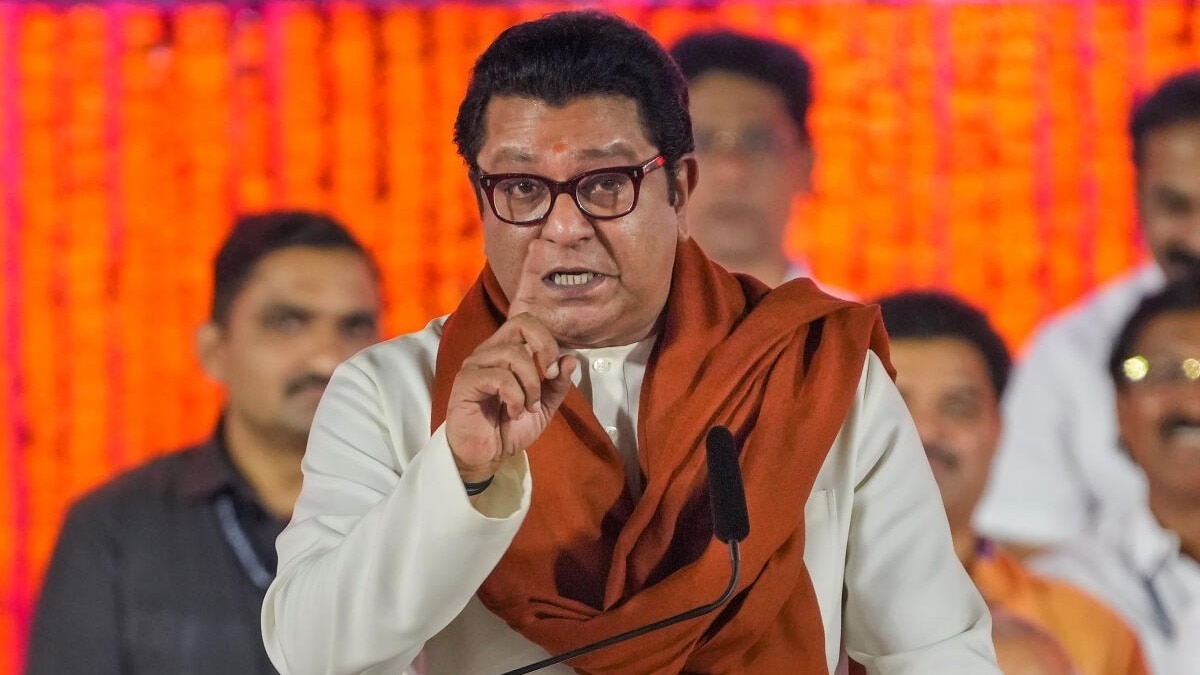
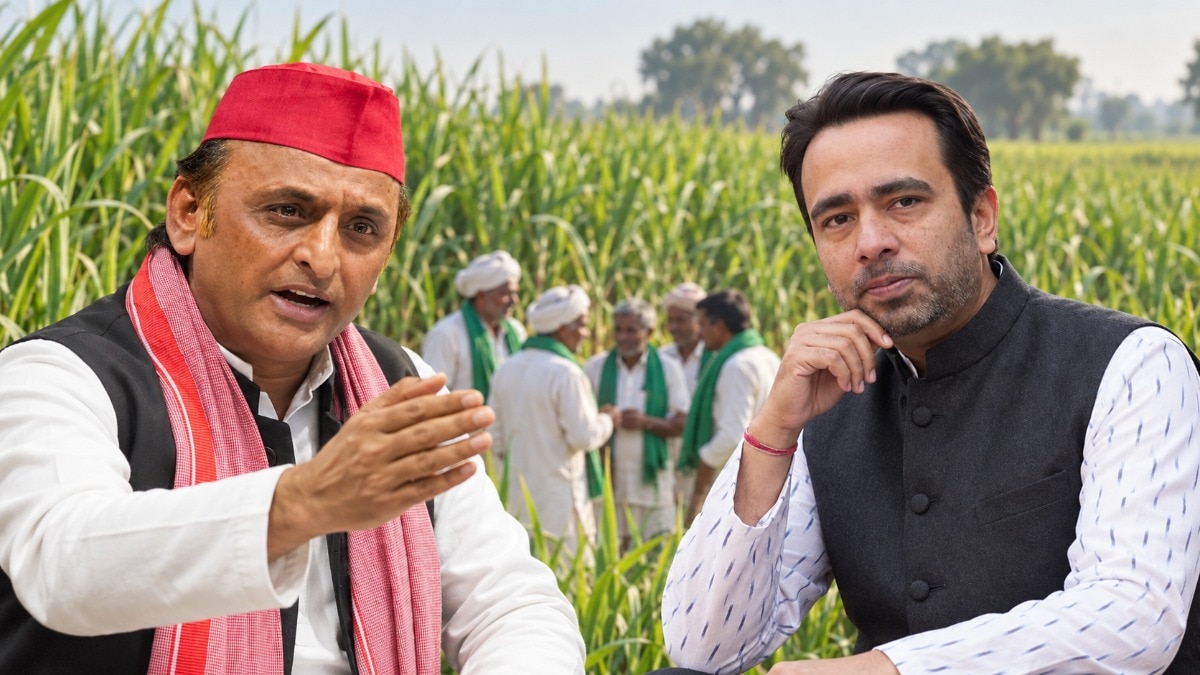
The emergence of new political forces, referred to as 'Chharon', has triggered significant concern for Tamil Nadu CM Thalapathy Vijay and Kerala CM Satheesan, raising alarms at the national level.
- New political pressures are mounting on Tamil Nadu CM Thalapathy Vijay and Kerala CM Satheesan.
- The shifts in regional dynamics are causing concern for the central government in India.
- The stability of South Indian political structures is under scrutiny.
The political landscape of South India is undergoing a seismic shift. Recent developments, characterized by the influence of 'Chharon', have sent ripples through the administrations of Tamil Nadu and Kerala. Thalapathy Vijay, the Chief Minister of Tamil Nadu, and the leadership in Kerala, including CM Satheesan, find themselves navigating uncharted waters that threaten traditional power structures.
Regional Dynamics and Political Pressure
In Tamil Nadu, the transition of Thalapathy Vijay from cinema to high-stakes politics has introduced a new variable into the state's governance. Similarly, in Kerala, administrative shifts are creating a sense of unease among the leadership. These movements are not merely local issues; they represent a broader shift in how regional identity and power are contested in India.
Why This Matters
BozokMedia analysis shows that the political stability of South India is crucial for India's overall national security and economic continuity. As a hub for maritime trade and technological innovation, any significant unrest in Tamil Nadu or Kerala can have far-reaching consequences for the Indian subcontinent and international trade routes.
The intersection of populist movements and traditional regional politics in South India is creating a complex governance challenge for the current leadership.
The concern expressed by the central government highlights the gravity of the situation. When regional leaders face internal or external pressures from new movements, it often necessitates a strategic response from New Delhi to maintain national cohesion.
Historical Background
South Indian politics has long been defined by strong regional identities, often distinct from the national narrative. From the Dravidian movements in Tamil Nadu to the unique socio-political fabric of Kerala, these states have historically acted as bastions of specific ideologies. The current emergence of new political actors marks a significant evolution in this long-standing tradition.
Frequently Asked Questions
1. What is the impact of these changes on national security?
Political instability in strategic coastal states can affect maritime security and internal stability.
2. How is the central government responding?
The central government is closely monitoring the situation to ensure that regional shifts do not compromise national interests.