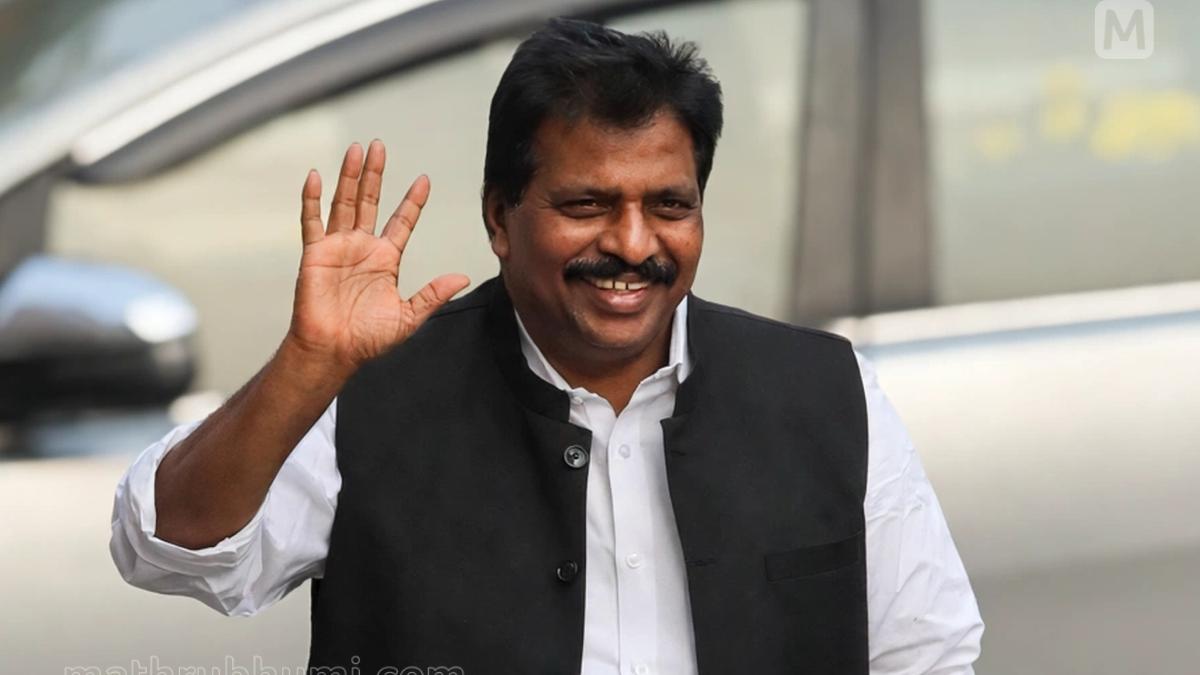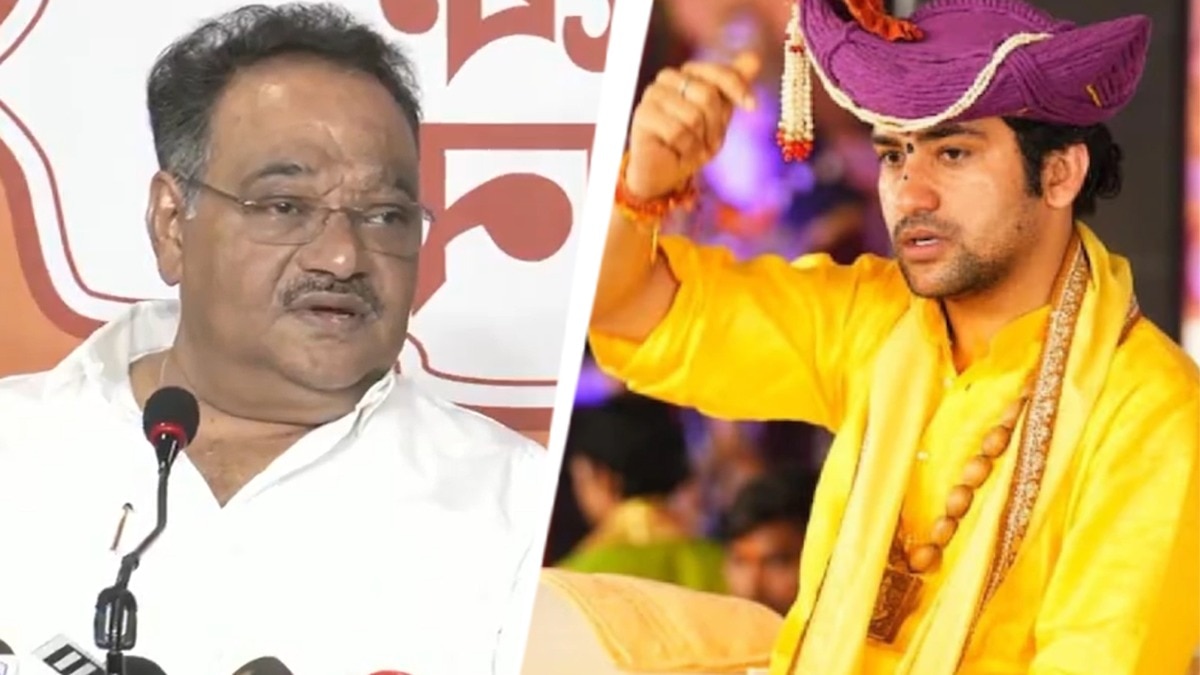
In a sharp rebuttal to Dhirendra Shastri's push for vegetarianism, the Bengal BJP chief has asserted that meat consumption is an integral part of Bengali culture and tradition.
- Bengal BJP leadership has pushed back against vegetarianism mandates.
- The statement directly responds to Dhirendra Shastri's recent controversial remarks.
- The debate highlights the intersection of regional identity and religious dietary norms.
The political landscape in West Bengal has witnessed a significant ideological clash. The Bengal BJP chief has stepped forward to defend the dietary habits of the state, specifically responding to the recent calls for strict vegetarianism made by Dhirendra Shastri. The remarks have ignited a debate regarding cultural autonomy and religious influence.
The BJP leader emphasized that the dietary preferences of Bengalis are deeply rooted in their history and social fabric. By stating that 'Bengalis can eat meat,' the leader sought to protect the regional identity from what is perceived as an external imposition of dietary rules.
Why This Matters
BozokMedia analysis shows that this confrontation is more than just a debate over food; it is a strategic move to align with regional sentiments. In a state like West Bengal, where cultural identity is fiercely guarded, defending local customs can be a potent political tool to counter narratives of cultural homogenization.
Food is often the last bastion of cultural identity, and attacking it can trigger massive regionalist backlash.
Historically, the consumption of fish and meat has been central to the Bengali way of life. From religious rituals to daily sustenance, these dietary habits are woven into the socio-economic tapestry of the region. Any attempt to alter these patterns is often met with significant resistance.
The political implications of this standoff are profound. As parties navigate the complex voter demographics of Bengal, the balance between religious appeal and regional pride becomes increasingly delicate. This latest development suggests that the BJP in Bengal is attempting to carve out a unique identity that respects local customs while maintaining its core ideological stance.
Frequently Asked Questions
Question 1: What was the basis of Dhirendra Shastri's comment?
Answer: Dhirendra Shastri made a public appeal advocating for vegetarianism and criticizing meat consumption.
Question 2: How did the Bengal BJP respond?
Answer: The Bengal BJP chief asserted that meat consumption is a legitimate part of Bengali culture and should not be restricted by external calls.