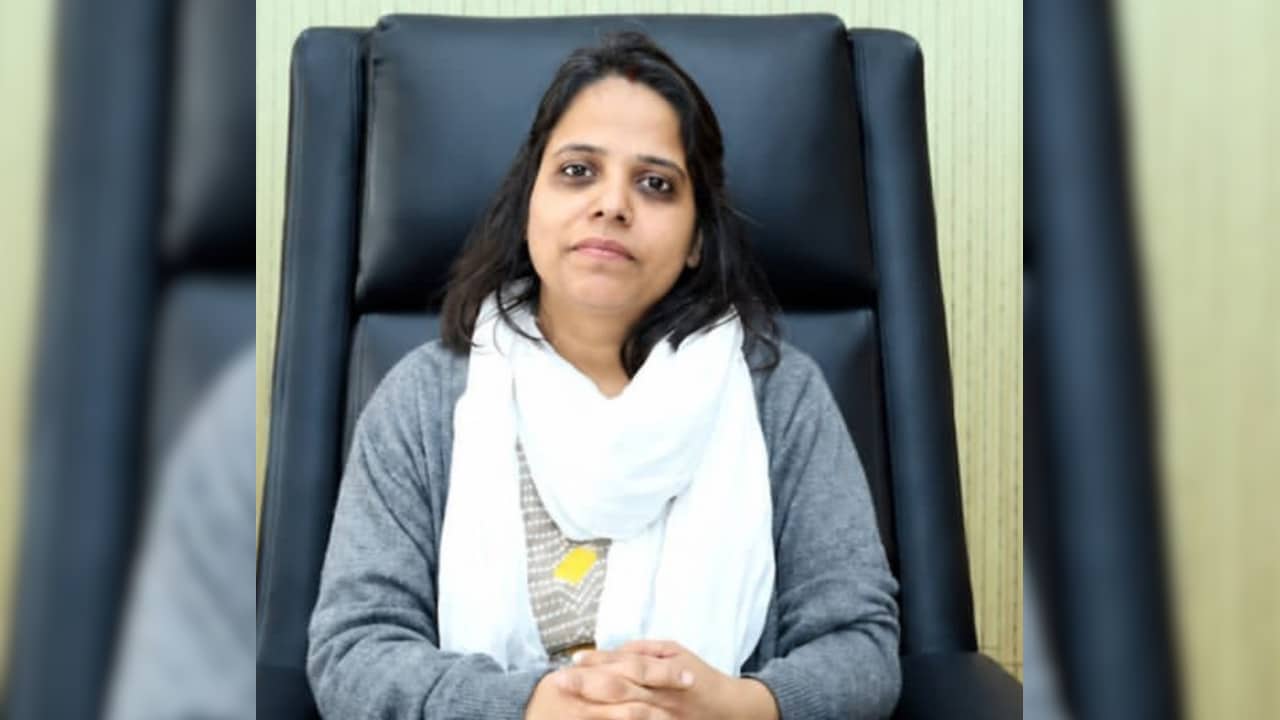
2011 batch IAS officer Neha Marvya has voiced her grievance after being transferred for the fourth time within a single year, questioning the stability of the administrative framework.
- 2011 batch IAS officer Neha Marvya faced her 4th transfer within 12 months.
- The officer expressed her grievance via an official IAS WhatsApp group.
- The latest transfer list was issued by the Madhya Pradesh government on September 5.
The administrative landscape in Madhya Pradesh has been stirred by the recent grievances of IAS Neha Marvya. A distinguished officer of the 2011 batch, Marvya found her name once again on the state's transfer list, marking her fourth relocation in just one year. This frequent movement has sparked a debate regarding the stability of the bureaucracy.
In a move that has resonated with many in the service, Marvya shared her frustration within an exclusive WhatsApp group for IAS officers. She pointedly questioned the very essence of the system, highlighting that the rapid succession of postings—the most recent occurring just 50 days after her last assignment—makes it nearly impossible to implement long-term developmental goals.
The Crisis of Administrative Instability
When an officer is moved every few months, the continuity of governance suffers. Each new posting requires a learning curve, settling into the local geography, and understanding the specific socio-economic challenges of the district. By disrupting this cycle, the administration risks losing the momentum of ongoing public welfare projects.
Frequent transfers act as a deterrent to effective governance, often prioritizing political expediency over administrative continuity.
Why This Matters
BozokMedia analysis shows that such frequent reshuffles are often symptomatic of underlying political pressures that can undermine the autonomy of the civil services. For an officer to deliver meaningful results, a sense of tenure and stability is essential. Constant movement creates a culture of short-termism, where officers focus on immediate compliance rather than sustainable policy implementation.
Historical Background: While transfers are a standard tool of government administration, the debate over 'fixed tenures' for civil servants has been ongoing in India for decades. Various judicial interventions have emphasized that transfers should not be used as a tool for punitive measures or political maneuvering.
Frequently Asked Questions
1. Why is Neha Marvya's case significant?
It highlights the issue of administrative instability and the impact of frequent transfers on officer productivity.
2. How many times has she been transferred in a year?
She has been transferred four times within a single year, with her latest posting lasting only 50 days.